Pedicure Aftercare: How to Keep Your Nails Looking Perfect for Longer
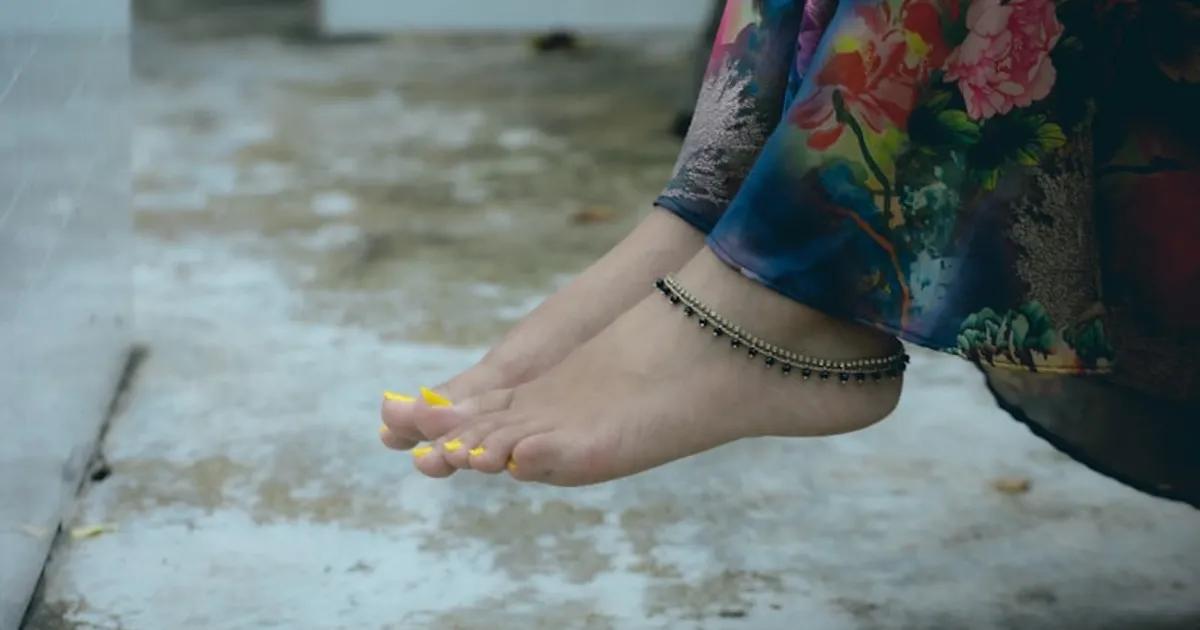
A professionally executed pedicure can last between three and six weeks, but what you do in the days that follow determines, to a great extent, whether you reach the upper or lower end of that range. Aftercare is not an extra — it is part of the result.
A professionally executed pedicure can last between three and six weeks, but what you do in the days that follow determines, to a great extent, whether you reach the upper or lower end of that range. Aftercare is not an extra — it is part of the result.
This guide explains exactly what to do (and what to avoid) after every type of pedicure, with practical tips you can apply from the very day of your appointment.
Why Aftercare Is Essential for Your Pedicure
Toenails are under constant pressure: footwear, moisture, friction, temperature. Without basic post-appointment care, even the best professional pedicure begins to deteriorate ahead of schedule.
Aftercare serves three key functions: locking in the aesthetic result, maintaining nail and surrounding skin health, and preventing issues such as fungus, lifting or flaking. The difference between a pedicure that lasts four weeks and one that loses its shine in ten days usually lies in the maintenance routine.
Different pedicure types and their specific care
Not all finishes are cared for the same way. It is worth distinguishing from the start:
- Traditional pedicure with OPI polish: the polish needs full drying time (minimum 2 hours) and is the most sensitive to immediate water and mechanical pressure.
- Gel polish or Shellac pedicure: cured under a lamp, so it leaves the salon already hardened. More water-resistant, but sensitive to oils and harsh products.
- Gel or polygel pedicure in Gandía: greater thickness and hardness. Care focuses on preventing edge lifting and cuticle hydration.
- French pedicure: same as the base polish, but with the white tip especially vulnerable to knocks on the free edge.
- Spa pedicure: includes exfoliation and intensive skin treatment. Aftercare prioritises deep hydration in the days that follow.
The First 24 Hours After Your Pedicure: Key Steps
Day one is the most critical for setting the result. Most early lifting occurs during these hours due to avoidable slip-ups.
What to avoid in the first 24 hours
- Prolonged water: no baths, pools or the beach for at least 2-4 hours after a traditional polish pedicure. With gel or Shellac you can shower normally after 1 hour, but avoid soaking.
- Tight or pointed footwear: compresses fresh polish and can distort the edge or create marks. Opt for open sandals or wide shoes on the day of the appointment.
- Creams or oils on the nails: moisturise the foot, but avoid getting product directly onto the polish surface in the first hours.
- Intense heat: saunas or steam rooms can affect adhesion on freshly applied traditional polishes.
Safe activities after a pedicure
Walking normally is no problem, provided the footwear is not tight. If you left the salon in slide sandals, you can put your regular shoes back on once the polish is completely dry to the touch (between 1 and 2 hours). Gel and Shellac pedicures allow a faster return to normal routine: the UV/LED lamp has already done the curing work.
Hydration and Nourishment: The Secret to Healthy Toenails
The toenail is thicker than the fingernail, but also more prone to dryness and breakage if not moisturised regularly. A dry cuticle pulls at the nail and accelerates polish lifting.
Recommended foot creams and oils
The most effective hydration combines two types of product:
- Quick-absorbing foot cream: ideally with 10-20% urea for feet prone to dryness or calluses. Apply all over the sole and heel, avoiding the interdigital space (an area prone to moisture build-up).
- Cuticle oil: a few drops daily at the base of the nail keeps the cuticle supple, reduces lifting risk and adds a natural sheen to the nail.
- Nail serum: some formulas with biotin or panthenol strengthen the nail plate from within, especially useful for fragile or breakage-prone nails.
A salon tip: apply foot cream just before bed and pop on a pair of cotton socks. Body heat overnight boosts absorption, and the result is noticeably better than applying it cold during the day.
Application frequency by pedicure type
- Traditional polish: moisturise daily, but only on the skin. Cuticle oil can be applied every other day at the nail edge.
- Gel or Shellac: cuticle oil is especially important here. The standard in-salon recommendation is once a day; it maintains the polish seal and reduces lateral lifting.
- Spa pedicure post-treatment: for the three days afterwards, moisturise twice a day. The skin has just been exfoliated and absorbs far better than under normal conditions.
Specific Products for Each Pedicure Type
Gel and Shellac pedicure care
The main enemy of gel and Shellac is not water but penetrating oils and solvents. Avoid applying greasy body lotions directly onto the nails. If you regularly swim in a chlorinated pool, apply cuticle oil after every swim: chlorine dries out the cuticle and encourages lateral lifting.
If you spot an edge starting to lift, do not peel it. File it gently with a fine-grit file and apply a drop of oil. Getting it to the salon before it spreads is always a better option than attempting a home repair.
For clients who spend the summer on the coast — typical for our clientele at Adrian Beauty Studio in Gandía — the combination of salt, sand and heat accelerates wear. During the summer season, a gel touch-up may need to be brought forward a few days from the usual cycle.
French and traditional pedicure maintenance
Traditional polish chips and scratches sooner than cured finishes. To prolong its life:
- Apply a clear top coat every 3-4 days. This small gesture can extend the result by up to an additional week.
- Avoid using your toenails as tools (a classic that every salon professional mentions).
- Clean dirt under the free edge with a wooden stick, never with metal implements that could lift the polish.
The French tip has the white edge as its weak point: knocks to the tip are inevitable with closed shoes. If the tip chips, a small touch-up with white polish and a gloss coat can save the day until the next appointment.
Spa pedicure special care
A spa pedicure includes chemical or mechanical exfoliation of the sole and heel, leaving the skin thinner and more receptive. During the following two to three days:
- Avoid intense direct sun on the feet (freshly exfoliated skin is more susceptible to burns).
- Do not apply products with retinol or AHAs to the sole during those days.
- Moisturise generously: this is the time when cream penetrates best.
In winter, when heels tend to crack more, a spa pedicure combined with a good night-time hydration routine makes a visible difference in just a few weeks.
When to Schedule Your Touch-Up and How to Prepare
Touch-up cycles by finish type
Each finish has its own maintenance rhythm. As a general guide (times vary depending on individual growth):
- Traditional polish: 1-2 weeks. Shows growth and wear the soonest.
- Gel polish / Shellac: 3-4 weeks. Holds well, but beyond that time the nail growth leaves a visible uncovered zone.
- Gel: 4-6 weeks. The longest-lasting finish, though it requires a professional infill or correct removal.
- French: follows the base polish used (traditional or gel polish).
- Spa pedicure: the skin treatment can be repeated every 3-4 weeks; the associated polish follows its own cycle.
Pre-appointment preparation
Before your next appointment, a few things make in-salon work easier:
- Do not cut your nails: the professional needs to work with the real length to shape correctly.
- Arrive without polish if possible: if you have remnants of drugstore polish over a previous gel polish, removal can get complicated and require extra time. Mention it when booking.
- Moisturise well in the days beforehand: softened cuticles are easier to work with and the final result improves.
- Report any changes: if you have noticed a whitish, yellowish nail or changes in texture, mention it before starting. It may be an early sign of fungus and should be assessed.
If you are in the La Safor area, you can book at Adrian Beauty Studio in Ontinyent or come to our Adrian Beauty Studio in Gandía centre for your touch-up appointment.
Frequently Asked Questions About Pedicure Aftercare
How long should I wait before getting my feet wet after a pedicure?
It depends on the finish type. With traditional polish, the recommendation is to wait at least 2 hours before wetting your feet, and to avoid baths or the pool for the first 24 hours. Shellac and gel leave the salon already cured under a lamp, so you can shower normally after an hour, though it is best to avoid prolonged soaking on that first day. Hot water softens the cuticle tissue and can facilitate lateral lifting if the product has not fully settled.
What is the best way to dry my feet?
Dry with a clean, soft towel, using gentle patting motions without rubbing. Pay special attention to the spaces between the toes: trapped moisture there is one of the factors that encourage fungal growth. If you have just come out of the pool or the sea, dry that area thoroughly before putting shoes back on. With gel or Shellac pedicures, do not rub the nail area aggressively with the towel; dry gently and let the air complete the process.
Can I use regular polish over a gel polish pedicure?
Technically yes, but it is not the most advisable approach. Traditional polish applied over gel polish wears off sooner and can leave residue that complicates subsequent removal. If you want to change the colour, the cleanest approach is to visit the salon for proper removal and a new application. If you still decide to do it at home, use an acetone-free remover to take off the conventional polish, and avoid letting the remover come into contact with the gel polish underneath.
What should I do if I notice flaking or irritation?
Mild cuticle flaking in the days following a pedicure is normal, especially if the area was worked more intensively. Moisturise with cuticle oil and it will subside. If the flaking affects the foot skin more broadly (not just the cuticle) or is accompanied by redness, itching or a burning sensation, it may indicate a product reaction. In that case, do not apply more creams or polishes and consult a professional. Allergic reactions to gel or gel polish, though uncommon, do exist and should not be ignored.
Is it normal for a pedicure to last shorter than expected?
It can happen for several reasons: nails with a tendency to oiliness (polish does not adhere as well on a very sebaceous nail), frequent exposure to water or cleaning products, very tight footwear, or simply that your personal growth is faster than average. If the pedicure comes off systematically before one week with traditional polish, try asking for a specific adhesion base coat at your next appointment. With gel or Shellac, premature lifting usually points to a nail preparation or application issue.
How do I prevent problems like fungus or infections?
Prevention starts with hygiene: dry your feet thoroughly after every wash, change socks daily and air out your shoes. Fungus thrives in warm, damp environments, so enclosed shoes worn for many hours are its favourite habitat. When it comes to the pedicure itself, always visiting a professional centre with proper sterilisation protocols is the best guarantee. If you notice changes in nail colour (yellowing, opacity), texture (thickening, brittleness) or an unusual smell, get it checked before applying polish on top — covering a fungal infection does not eliminate it, it makes it worse. If symptoms persist, a podiatrist or dermatologist assessment is the correct next step.
Keeping a professional pedicure in good condition does not require much effort: cuticle oil every day, foot cream at night and respecting drying times in the first hours. Those small gestures make a real difference to how long the result lasts and to your long-term nail health.
If you want to learn more about nail care in general, you can also read our guide on acrylic nails and their care or take a look at our waxing and general beauty section to complete your care routine.
When the time comes for a touch-up, you can book your appointment at either of our two centres: Gandía or Ontinyent. The team will be happy to advise you on the type of pedicure best suited to your routine and your feet.
Quick reference: pedicure
| Option | Includes | Duration |
|---|---|---|
| Basic | Cut, file, cuticles | 35-50 min |
| With soak | Basic + foot bath | 50-65 min |
| With polish | Basic + Shellac/OPI | 55-70 min |