Eyebrows by Age: How the Ideal Shape Evolves Through Each Decade
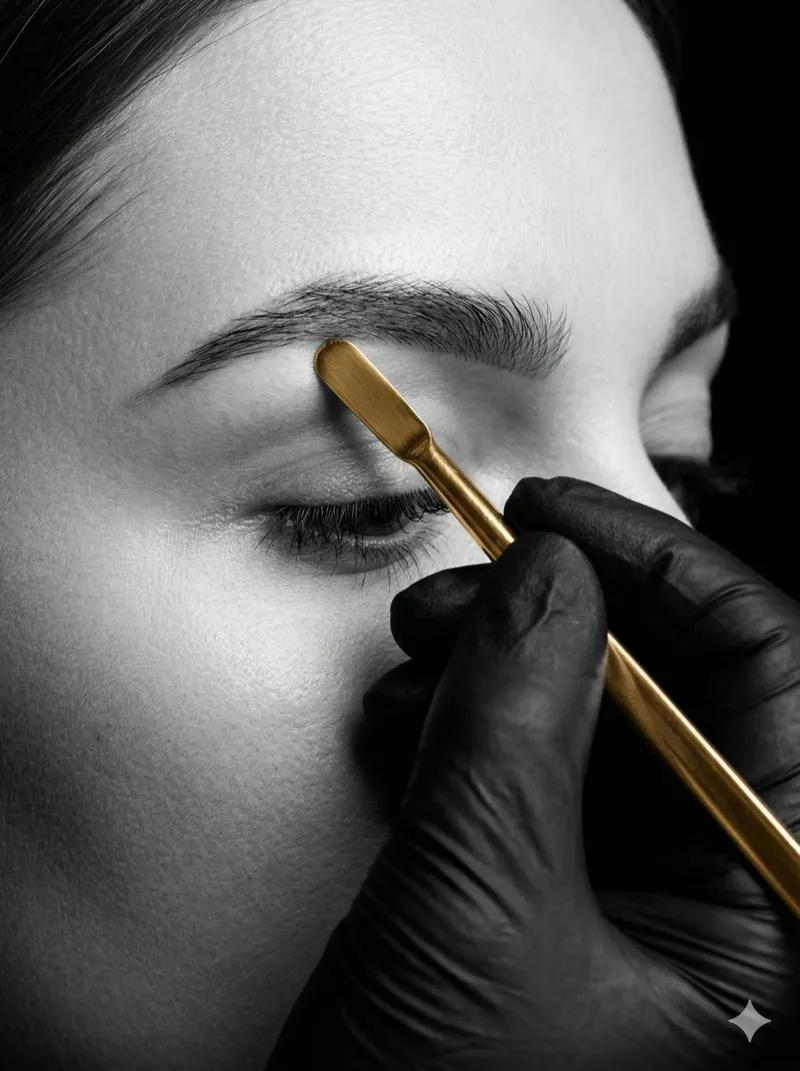
The brow shape that suited you at 22 is not the same one that works at 45. Decade-by-decade guide with comparison table.
How eyebrows change with age
Eyebrows undergo a progressive transformation throughout life that affects their density, colour, texture and growth direction, according to a longitudinal study in the British Journal of Dermatology that followed 1,200 women over 20 years. Between the ages of 20 and 30, brows are at their peak density with an average of 450-500 hairs per arch. From around 35, gradual thinning begins: approximately 10-15 hairs are lost per year. In the forties, loss accelerates and the first isolated grey hairs appear in the arch. At 50+, hair becomes coarser, grows more slowly and may change direction — the characteristic long hairs that project beyond the arch appear. Understanding these phases is fundamental to adapting brow design to each stage of life and preventing the brows from ageing the face unnecessarily.
Ideal design by decade
In the 20s the natural brow takes centre stage: density is at its peak and the most common mistake is over-plucking to follow trends that will take years to reverse — 35% of clients aged 40+ at Adrian Beauty Studio report having over-plucked in their youth. The ideal design at 20 is minimally interventionist: tidy the contour and lightly define the arch. In the 30s, brows need structural definition: threading to create a clean arch that frames the eyes, and tinting if colour has lost intensity. In the 40s, the priority is compensating for density loss: a brow lamination adds visual volume and henna tinting covers the first greys whilst filling gaps. At 50+, the design should lift the tail and create a lifting effect — slightly ascending brows that counteract the natural droop of the eyelid.
Table: age, changes and recommended technique
| Age | Main change | Common mistake | Ideal technique | Frequency |
|---|---|---|---|---|
| 18-25 | Peak density | Over-plucking | Threading (minimal tidy-up) | Every 4-5 weeks |
| 25-35 | Stable density, first gaps | Not adapting the shape | Threading + personalised design | Every 3-4 weeks |
| 35-45 | Thinning, first greys | Shaping the same way as at 20 | Threading + henna tint | Every 3-4 weeks |
| 45-55 | Noticeable loss, greys, coarseness | Using only a pencil without professional help | Lamination + tint | Every 5-6 weeks |
| 55-65 | Sparse, stray coarse hairs | Giving up on appearance | Microblading or lamination | Depends on technique |
| 65+ | Minimal hair, faded tail | Artificially drawn brows | Natural microblading + tint | Annual touch-up |
The over-plucking mistake of youth
Over-plucking in the 1990s and 2000s — when fashion dictated ultra-thin brows — left permanent consequences for 40% of women now aged between 35 and 50, according to the Spanish Association of Aesthetic Medicine. Each hair follicle has a limited number of growth cycles (anagen cycles), and repeated plucking exhausts these cycles irreversibly. After 8-10 years of aggressive plucking, many follicles stop producing hair permanently. The most commonly affected areas are the tail of the brow and the underside of the arch. The good news is that professional solutions exist: microblading recreates hair-stroke detail in areas with no growth, and peptide serums can reactivate follicles that are dormant but not destroyed. At Adrian Beauty Studio we assess each case with a dermatoscope to determine which follicles are recoverable.
Microblading vs lamination by age
The choice between microblading and lamination depends directly on age and the condition of the natural brow, and the two techniques are complementary in many cases. Lamination is the first choice up to age 50 if the brow retains at least 60% of its original density: it reorganises existing hair, sets it in the correct direction and the added tint covers gaps and greys for 6-8 weeks. Microblading is indicated when density loss exceeds 40% or when there are areas with no growth, typically from age 45-50 onwards: it deposits pigment into the epidermis to mimic individual hairs, lasting 12-18 months. Many clients aged 50+ combine both techniques: microblading for the base structure and lamination for volume from the remaining hairs. The result is a full, natural, youthful brow.
Tips by age for keeping brows youthful
Regardless of age, three universal habits keep eyebrows in their best condition: topical nourishment, sun protection and regular professional maintenance. In your 20s-30s, apply castor oil 2-3 times a week and avoid tweezers at home — let the professional define the shape. In your 30s-40s, incorporate a brow serum with biotin and peptides every evening to strengthen follicles before they begin to decline. In your 40s-50s, add SPF to the brow area (UV radiation accelerates greying) and schedule tinting every 4-5 weeks. At 50+, never use wax for shaping — it is too harsh for mature skin — and rely on threading and professional tweezers. At every age, a visit to the studio every 3-5 weeks keeps brows in their optimal shape and allows the professional to adapt the design to gradual changes.
Frequently asked questions
At what age do eyebrows start to thin?
Gradual thinning begins around age 35, with a loss of 10-15 hairs per year. The thinning becomes visually noticeable between ages 45 and 50 in most women.
Is microblading suitable for people over 60?
Yes, and in fact it is one of the groups that benefits most. At 60+ the natural brow is usually very sparse and microblading recreates a full, natural brow without the need for daily makeup.
Can I recover brows that I over-plucked 20 years ago?
Partially. Dormant follicles can be reactivated with peptide serums over 3-6 months. Destroyed follicles will not regenerate, but microblading visually compensates for those areas.
Should I change my brow shape when I turn 50?
Yes. A brow shape that worked at 30 can age the face at 50. We recommend lifting the tail slightly and reducing thickness if density has decreased, creating a subtle lifting effect.