Sun Spots on the Face: Types, Prevention and Facial Treatments That Work
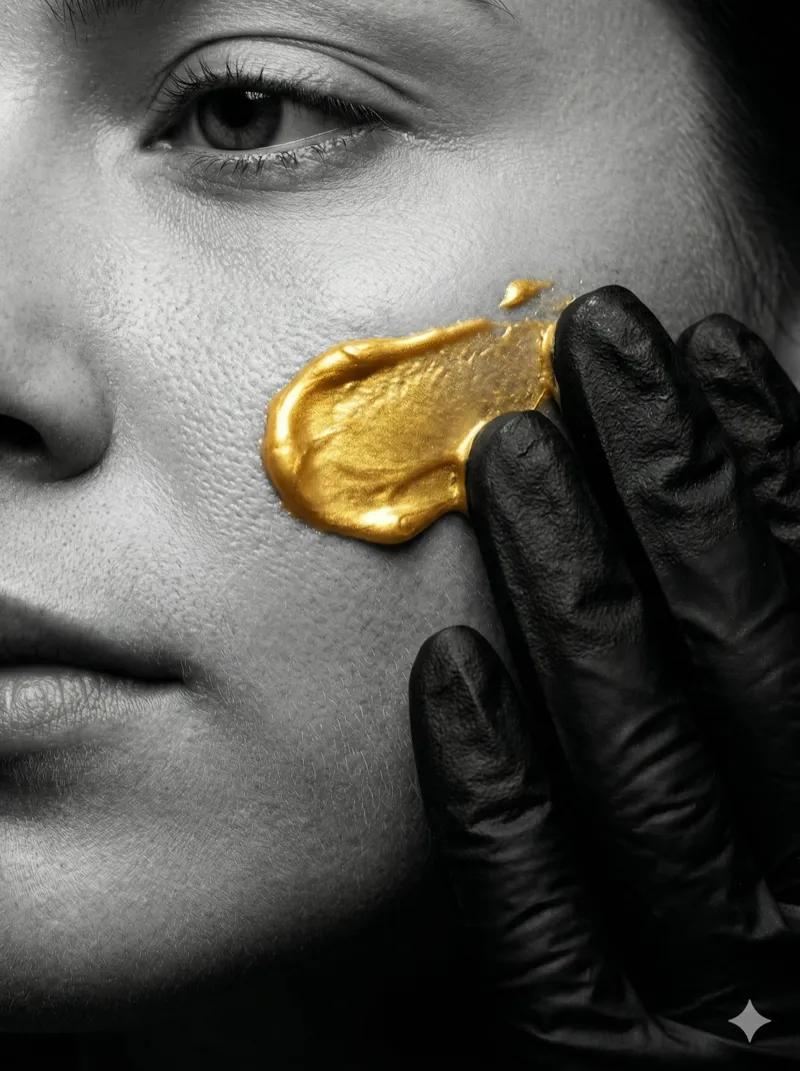
Solar lentigines, melasma and post-inflammatory hyperpigmentation: how to tell them apart, prevent them and treat them in salon.
Solar lentigo: the flat spot that reveals cumulative sun damage
A solar lentigo is a flat, rounded skin mark, ranging from light to dark brown with well-defined edges, that appears in areas with repeated sun exposure over the years. Also called an age spot or liver spot, it affects 90% of people over 60 with fair skin types (I-III) and 75% of those over 40. Its size ranges from 2 mm to 2 cm in diameter and it typically appears on the cheekbones, forehead, backs of the hands and decolletage.
Lentigines form due to a localised overproduction of melanin in response to cumulative ultraviolet radiation. They are not dangerous, but any change in shape, colour, borders or size (the ABCDE rule) should be monitored to rule out melanoma. A dermatologist can distinguish a benign lentigo from a suspicious lesion with dermoscopy in just a few minutes.
In salon, superficial lentigines respond well to depigmentation protocols using kojic acid, arbutin or vitamin C. Darker or deeper spots may require 4-6 sessions spaced every 2-3 weeks.
Melasma: the hormonal pigmentation that sun makes worse
Melasma is a chronic hyperpigmentation that appears as symmetrical patches with diffuse edges, typically on the forehead, cheeks, upper lip and chin. Unlike lentigines, it has a strong hormonal component: it occurs in 15-50% of pregnant women (chloasma of pregnancy) and is common in women taking oral contraceptives or hormone replacement therapy.
The sun does not directly cause melasma, but it intensifies it considerably. A single day of unprotected exposure can undo weeks of depigmentation treatment. For this reason, any melasma protocol demands daily SPF 50+ as a non-negotiable requirement, even on overcast days and indoors near windows.
It is the most difficult pigmentation to treat because it tends to recur. Flare-ups happen particularly in spring and summer when UV radiation increases. A realistic approach combines in-salon treatment (depigmenting agents + vitamin C), a strict home routine (SPF + night-time actives) and managed expectations: melasma can be controlled, but rarely disappears 100%.
Post-inflammatory hyperpigmentation (PIH): the mark left by inflammation
Post-inflammatory hyperpigmentation is a residual mark that appears where the skin experienced a prior inflammatory process: an acne spot, a sunburn, a reaction to a cosmetic product, aggressive hair removal or even repeated mechanical friction. The overstimulated melanocyte deposits extra pigment in the affected area as a defensive response.
PIH ranges from pinkish to dark brown depending on the skin type. It is notably more common and persistent in darker skin (types IV to VI), where it can last between 3 and 12 months if untreated. In lighter skin it tends to be pinkish and resolves within a few weeks.
The advantage over lentigines and melasma is that PIH responds better and faster to depigmentation treatments, provided the original inflammatory cause has resolved. Applying a depigmenting agent to skin that is still inflamed is counterproductive.
Comparison table: lentigo vs melasma vs PIH
| Characteristic | Solar lentigo | Melasma | PIH |
|---|---|---|---|
| Appearance | Defined, round marks with sharp edges | Broad, diffuse, symmetrical patches | Marks at site of prior lesion |
| Colour | Light to dark brown | Brown to greyish | Pinkish to dark brown |
| Primary cause | Cumulative UV (years) | Hormonal + UV as aggravator | Prior inflammation + UV |
| Typical areas | Cheekbones, forehead, hands, decolletage | Forehead, cheeks, upper lip, chin | Anywhere (site of lesion) |
| Treatment response | Good with consistency (4-6 sessions) | Difficult, tendency to recur | Good and faster than the others |
| Dermatologist needed | If shape/colour/size changes | Always recommended for diagnosis | If persisting beyond 6 months |
Prevention: the investment with the highest return
80% of the UV radiation that causes sun spots comes from everyday exposure, not from beach days. Driving, walking to the shops, sitting by a window: UVA — the wavelength most responsible for pigmentation — penetrates glass and clouds. This explains why people who do not sunbathe still develop spots over the years.
Daily SPF 30+ sunscreen is the single most effective measure: it reduces the formation of new spots and prevents existing ones from darkening. SPF 50 is preferable if you already have spots or a tendency to pigment. The amount matters: two lines of cream across the index and middle fingers covers the face properly. Using less reduces the actual protection by half.
Complementing with a vitamin C serum in the morning (before SPF) enhances photoprotection. Vitamin C neutralises free radicals generated by UV that the sunscreen does not block. It is not a substitute for SPF but its reinforcement. Physical barriers — a wide-brimmed hat (7-8 cm minimum), UV sunglasses — protect the most exposed areas.
To understand how to combine sun protection with aesthetic treatments by season, see our guide to sun protection and aesthetic treatments.
Professional in-salon treatments that work
Depigmentation treatments act on melanin already deposited and regulate its future production. They are neither miraculous nor instant, but with consistency and sun protection the results are visible and measurable.
Professional topical depigmenting agents
The most widely used actives in salon are kojic acid (a tyrosinase inhibitor of fungal origin), arbutin (a gentler natural derivative than hydroquinone), niacinamide at 5-10% (reduces melanin transfer to upper layers) and azelaic acid (regulates melanogenesis with an anti-inflammatory effect). They are applied as part of the facial cleansing protocol, after extraction and before the mask.
Professional-strength vitamin C
In salon, L-ascorbic acid is used at 10-20%, a concentration that is difficult to keep stable in over-the-counter products. Vitamin C inhibits melanin production, neutralises free radicals and stimulates collagen synthesis. A session lasts between 45 and 60 minutes and can be combined with a facial cleanse.
Superficial chemical peels
Glycolic acid (5-10%), mandelic acid (8-15%) and lactic acid (10-20%) remove the stratum corneum where part of the pigment accumulates. They are most effective in autumn and winter when UV radiation is lower. After a peel, the skin is temporarily more photosensitive: daily SPF 50 is essential for at least 2 weeks.
The most effective approach against established spots is to combine several methods: deep facial cleanse + depigmenting active in salon + vitamin C serum at home + daily SPF. At Adrian Beauty Studio Gandía and Ontinyent, sessions with depigmenting cream are available as an add-on to the standard facial cleanse.
When to see a dermatologist (not a beauty salon)
Aesthetic treatments are effective for confirmed cosmetic pigmentation. However, there are situations that require medical diagnosis before any depigmenting protocol:
- A spot that changes shape, colour or size within a few weeks (apply the ABCDE rule)
- Spots with irregular, asymmetrical borders or multiple colours within the same lesion
- Spots that itch, bleed or form a crust without apparent cause
- Melasma that has not responded after 3 months of protocol with strict sun protection
- Sudden appearance of spots with no clear link to sun exposure
- Pregnancy: consult before using any depigmenting agent, even topical
At Adrian Beauty Studio, a preliminary assessment is part of every facial treatment. If we identify a lesion that requires dermatological review, we let you know before proceeding.
This article is for informational purposes and does not replace diagnosis by a healthcare professional. If you have any concerns about a skin mark, consult a dermatologist.
Frequently asked questions about sun spots on the face
Can I completely remove sun spots?
It depends on the type. Superficial lentigines can be lightened until they are practically invisible with 4-6 sessions of combined depigmentation treatment plus daily SPF 50+. Melasma rarely disappears 100%: a realistic goal is to control it and minimise its visibility. PIH typically resolves well within 2-4 months with the right treatment, provided the inflammatory cause has ceased.
How many facial treatment sessions do I need to see results?
Improvement is usually noticeable from the third or fourth session, spaced every 2-3 weeks. A full course ranges between 6 and 8 sessions for moderate spots. Older or deeper marks may require additional courses. Between sessions, a home routine with vitamin C and SPF extends and enhances results.
Is it better to treat spots in winter or summer?
Autumn and winter are the ideal seasons for depigmentation treatments and peels. UV exposure is lower, which reduces the risk of post-treatment photosensitivity triggering new spots. In summer, focus on hydration, antioxidants and photoprotection, leaving intensive protocols for the cooler months. More in our guide to post-summer skin repair.
Does topical vitamin C stain the skin?
No. L-ascorbic acid oxidises on contact with air and light, which changes the serum colour to orange. This does not stain the skin: on the contrary, vitamin C actively inhibits melanin production. What does happen is that an oxidised serum loses efficacy. Store it in a cool, dark place and replace it if the colour has turned brown.
Is sunscreen only necessary if I am going to the beach?
No. UVA radiation — responsible for photoageing and pigmentation — penetrates clouds, car windows and office glass. The damage that causes spots is cumulative and occurs predominantly during everyday exposure, not on beach days. SPF daily, every day, all year round.
Is hydroquinone safe for depigmentation?
Hydroquinone is the most potent depigmenting agent available, but in the European Union its use in cosmetics is restricted: it is only permitted at concentrations above 2% with a medical prescription. In beauty salons, alternatives such as arbutin, kojic acid or niacinamide are used, which have a more favourable safety profile for continued use without dermatological supervision. If your doctor prescribes hydroquinone, follow their instructions regarding duration and rest periods.