Pedicure for People with Diabetes: Special Care and Precautions
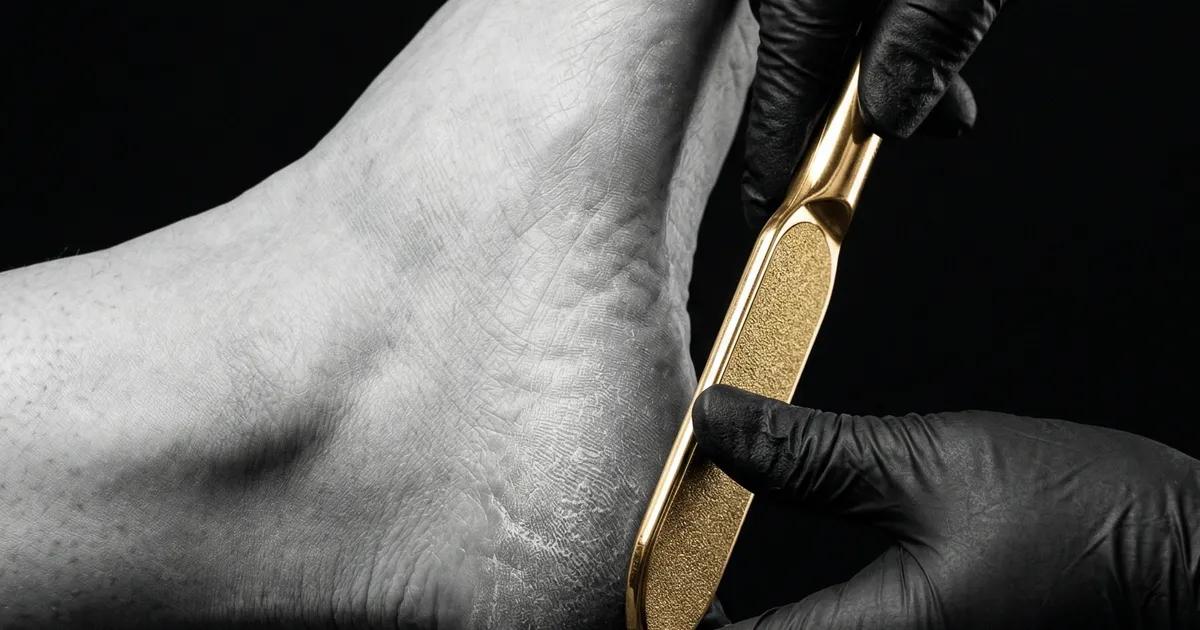
A pedicure for people with diabetes requires an adapted protocol in which foot safety takes priority over the standard cosmetic procedure. Diabetes affects peripheral circulation and sensitivity in the extremities, turning a small unnoticed injury into a genuine risk.
A pedicure in Gandia for people with diabetes requires an adapted protocol in which foot safety takes priority over the standard cosmetic procedure. Diabetes affects peripheral circulation and sensitivity in the extremities, turning a small unnoticed injury into a genuine risk. In Spain, more than 6 million people -- 14% of the adult population -- live with this condition, and many of them can include a professional pedicure in their care routine safely, provided the salon understands the specific precautions. Also available for pedicure in Ontinyent.
Why does diabetes require a specialised pedicure?
Diabetes mellitus is a chronic metabolic condition that directly affects two mechanisms essential to foot health: peripheral blood circulation and nerve transmission. When both deteriorate, the foot loses its ability to detect injuries and to heal them normally. Poorly calibrated scissors, excessively hot water or an incorrect nail cut can trigger complications that, in a person without this condition, would be entirely minor.
Direct observation in the treatment room confirms that people with well-controlled diabetes can benefit from regular pedicures, provided the beauty salon follows a specific protocol. This protocol does not turn the therapist into a podiatrist: the role of the beauty salon is the cosmetic care of a healthy foot or one with minor issues, never the treatment of active pathologies.
The first step is prior communication: informing the salon about the diabetes diagnosis, the degree of glycaemic control and the presence of neuropathy, so the team can adapt every step of the session.
Risks of inadequate foot care in people with diabetes
Understanding the specific risks allows informed decisions about when to visit a beauty salon and when to refer to a specialist podiatrist. The three factors that most affect foot safety in people with diabetes are peripheral neuropathy, poor circulation and increased susceptibility to infection. Each has direct implications for the pedicure protocol that should be applied.
Peripheral neuropathy and loss of sensation
Peripheral neuropathy is a neurological complication of diabetes involving the progressive deterioration of the peripheral nerves, with particularly intense effects in the feet and hands. According to data from the Journal of Diabetes and Its Complications, this complication appears in up to 50% of patients with more than 10 years of disease progression. The direct consequence for a pedicure is that the person with diabetes does not perceive pain as a warning signal: hot water, aggressive filing or sharp instruments are not registered as painful stimuli, which makes unnoticed injuries more likely.
Poor circulation and slow healing
Diabetic microangiopathy reduces blood flow to the extremities, slowing the healing of any wound, however small. An abrasion from scissors or a callus removed too aggressively can take weeks to close, with a progressive risk of infection. Standard practice in a specialised protocol is to prioritise non-invasive work: gentle filing over cutting, and observation before any intervention on hard skin or calluses.
Greater risk of infections
Chronic hyperglycaemia creates an environment conducive to bacterial and fungal proliferation. Any micro-lesion in the skin acts as an entry point for micro-organisms. According to the Spanish Diabetes Federation (FEDE), 15% of people with diabetes will develop a foot ulcer during their lifetime. For this reason, before each session it is worth reviewing the toenail fungus: warning signs and reporting any recent change in the appearance of nails or skin to the salon. Also available for manicures in Ontinyent.
Professional pedicure protocol for diabetic feet
The diabetic pedicure protocol consists of a sequence of adapted steps to minimise the risk of injury without forgoing the aesthetic and hygienic benefits of professional care. In 2026, specialist beauty salons have integrated differentiated care protocols for clients with chronic conditions -- a practice that organisations such as the National Association of Professional Aesthetics have been recommending for years. At Adrian Beauty Studio -- in both Gandia and Ontinyent -- the team adapts the procedure when the client indicates their condition at the time of booking.
Pre-treatment visual assessment of the foot
Before any handling, the therapist carries out a complete visual inspection: the condition of the skin, the presence of cracks, calluses, colour changes, nail deformities or signs of infection. If an active lesion, open wound or reddened area with heat is detected, the session does not go ahead and the client is referred to a podiatrist. This pre-treatment assessment is the most important difference between a standard pedicure and one with an adapted protocol for diabetes.
Safe filing and nail-cutting techniques
Nail cutting for people with diabetes must be done in a straight line -- never curved at the corners -- to prevent ingrown toenails, a complication that in the diabetic foot can lead to serious infection. Professional practice shows that gentle filing is preferable to aggressive clipping for uneven edges, and that work close to the cuticle with metal instruments is avoided. The foot bath, when included, requires temperature verification with a thermometer: it must not exceed 37 degrees C, regardless of the person's preference.
Hydration and products suitable for diabetic skin
The skin of people with diabetes tends towards dryness and fragility. Data from Adrian Beauty Studio indicate that clients with this condition more frequently report a tight feeling in the foot after sessions with standard products. In the adapted protocol, moisturisers free from alcohol, harsh fragrances and high-concentration acids are used. The interdigital spaces are not over-moisturised: excess moisture between the toes encourages fungal development, particularly in skin with a reduced local immune response.
What to avoid in a pedicure if you have diabetes
Some practices that are standard in a conventional pedicure must be eliminated or modified for people with diabetes to avoid unnecessary risks:
- Water without verified temperature: never assume the water is at an adequate temperature by touch; always measure it with a thermometer before immersing the foot.
- Aggressive callus removal: invasively removing calluses exposes vulnerable soft tissue. Work is done with a file or gentle pumice stone, never with a blade or scalpel.
- Cuticle manipulation: the cuticle acts as a protective barrier. On diabetic feet, pushing or cutting it with metal instruments is avoided.
- Polishes containing formaldehyde or toluene: on skin with lower resistance, these ingredients can cause irritation. Polish with a "3-free" or higher formulation is recommended.
- Hot paraffin treatments: intense heat on a foot with reduced sensitivity carries a risk of unnoticed burns.
- Non-sterilised instruments: the infection risk is amplified in people with diabetes. All instruments must be autoclaved or single-use.
The complete pedicure guide details the standard process for comparison with this adapted protocol.
Home care between pedicure sessions
Daily maintenance at home is just as important as the visit to the beauty salon. Clinical practice in the context of the diabetic foot underscores that the majority of complications are detected -- and can be prevented -- with a consistent daily inspection routine.
- Daily visual inspection: check the sole, interdigital spaces and nail edges. If sensation is reduced, use a hand mirror to see the sole clearly.
- Wash with warm water: water at a verified temperature, neutral soap and thorough drying, especially between the toes.
- Daily moisturising: fragrance-free emollient cream on the top and sole, avoiding the interdigital spaces.
- Natural-fibre socks: cotton or fine wool, without internal seams that create pressure points.
- Suitable footwear: avoid narrow toe boxes or high heels; the diabetic foot tolerates sustained compression poorly.
The articles on foot care after a pedicure and pedicure aftercare expand on each of these steps with detailed practical guidance.
Recommended pedicure frequency for people with diabetes
For people with diabetes, the recommended frequency for a professional pedicure is every 3 to 4 weeks. This interval is shorter than the usual one for clients without risk factors -- typically around 5 to 6 weeks -- because it allows incipient changes in the skin or nails to be detected before they develop, and keeps the foot in hygienic conditions that reduce the microbial load.
At Adrian Beauty Studio Ontinyent and at the Gandia centre, clients with diabetes are encouraged to mention their condition when booking, so that additional time can be allocated for the pre-treatment visual assessment without compromising the rest of the session.
If the diagnosis includes severe neuropathy or the clinical progression is complex, the optimal frequency should be discussed directly with the endocrinologist or podiatrist, who can recommend adjustments based on the individual situation.
Warning signs: when to see a podiatrist instead of a beauty salon
A beauty salon complements the podiatrist in the care of the diabetic foot but does not replace them. There are signs that require immediate referral to a healthcare professional:
- Wounds or abrasions that have not healed after several weeks
- Marked colour changes: pale, bluish or darkened skin
- Oedema (swelling) or localised heat with no apparent cause
- Pain at rest or a persistent burning sensation in the feet
- Nails with marked thickening, deformity or colour change (possible onychomycosis)
- Deep heel fissures with active bleeding
The professional therapist is trained to recognise these signs before starting any service. Cosmetic care only takes place when the foot does not present any of these active conditions.
Frequently asked questions about pedicure and diabetes
Is it safe to have a pedicure at a beauty salon if you have diabetes?
Yes, a pedicure at a beauty salon is safe for people with well-controlled diabetes, provided the salon follows an adapted protocol and the client reports their condition before the session. The basic requirements are: absence of active wounds, absence of ongoing infections and communication of the degree of existing neuropathy. The therapist adjusts the water temperature with a thermometer, avoids invasive techniques and carries out a pre-treatment visual assessment. If there is any doubt about whether the health condition allows a cosmetic session, consulting the endocrinologist or podiatrist beforehand is always the most prudent option.
Which products should be avoided in a pedicure for people with diabetes?
In a pedicure adapted for people with diabetes, polishes containing formaldehyde, toluene or camphor should be avoided, as should products with alcohol as the primary active ingredient, creams with salicylic acid at high concentrations and intensive heat treatments such as hot paraffin. Post-session hydration should be carried out with specific emollients, free from harsh synthetic fragrances. If the person has had previous reactions to any cosmetic ingredient, reporting this to the team before the session begins allows the products used to be adjusted.
How often should a person with diabetes have a pedicure?
For people with diabetes, pedicure frequency should be higher than for clients without risk factors. This ongoing monitoring allows incipient changes -- cracks, early onychomycosis, skin and nail colour changes -- to be detected before they develop into more serious complications. For people with advanced neuropathy or complex clinical progression, the exact frequency should be agreed with the endocrinologist or podiatrist overseeing the condition, as each case may require an individualised adjustment.
Can you paint your toenails if you have diabetes?
Yes, painting the toenails with diabetes is possible provided the nails are in a healthy condition. It is best to choose polishes with a formaldehyde-, toluene- and camphor-free formula (labelled "3-free" or higher). A critical point: polish should not be applied to nails showing signs of onychomycosis, as it covers the nail and hinders both the detection and treatment of the fungal infection. At Adrian Beauty Studio, if nail abnormalities are detected during the visual assessment, the team communicates this before applying any product.
What is the difference between a standard pedicure and one for people with diabetes?
The difference is in the protocol, not the final aesthetic result. In a pedicure adapted for people with diabetes: the water temperature is measured with a thermometer before use; nails are cut in a straight line to prevent ingrown toenails; calluses are not removed invasively; cuticle manipulation with metal instruments is avoided; a visual assessment is carried out before starting; and products formulated for sensitive skin are used. The cosmetic finish can be identical to that of a standard session, but the process incorporates specific safety steps that do not form part of a conventional pedicure.
The benefits of regular pedicure are well documented for overall foot health, and people with diabetes are those who stand to gain the most from that ongoing care -- provided it is carried out with the correct protocol and at a centre trained to deliver it.
To book an appointment at Adrian Beauty Studio in Ontinyent or at Adrian Beauty Studio in Gandia, simply mention when booking that you have diabetes: that information allows the team to prepare the session in advance and apply the correct protocol from the outset.
Note: this article is for informational purposes only and does not replace a medical consultation or professional diagnosis. If you experience any complications with your feet, always consult your endocrinologist or podiatrist.
What is an adapted pedicure for diabetes
An adapted pedicure for diabetes modifies techniques, instruments and products to minimise the risk of wounds, infections and vascular complications of the diabetic foot. Sterilised instruments with minimal cutting, no blades, with visual inspection of skin, sensitivity and circulation at every session.
Conventional vs diabetes-adapted pedicure
| Conventional | Diabetes-adapted | |
|---|---|---|
| Cutting instruments | Scalpel, standard nail clipper | Gentle file, straight clipper, no scalpel |
| Pressure | Medium-firm | Always gentle |
| Frequency | Every 4-6 wks | Every 3-4 wks |
| Precautions | Standard hygiene | Wound inspection, sensitivity, colour; warm water; thorough drying |
| Contraindications | Wounds, infection | Ulcers, Charcot foot -> podiatrist |