Dehydrated vs Dry Skin: Differences and Which Facial Treatment You Need
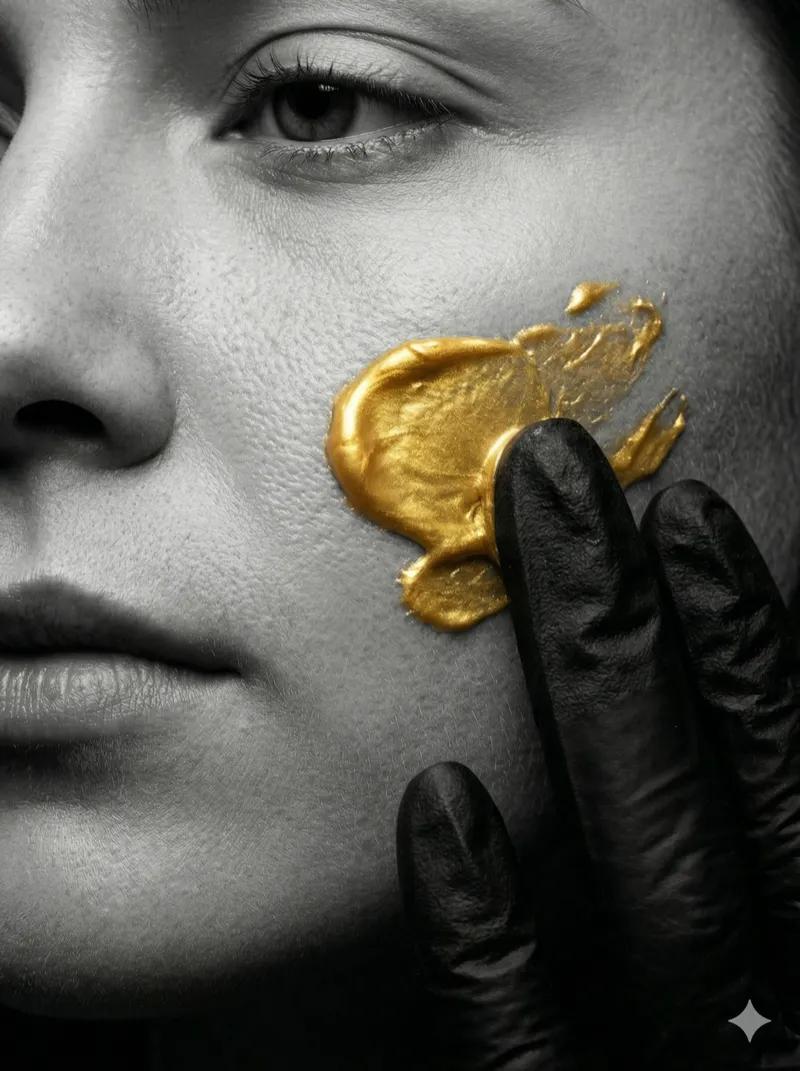
Dry and dehydrated skin are often confused but their origins are different. Guide with comparison table and which facial to book.
Clinical definition: dry skin vs dehydrated skin
Dry skin is a genetically determined skin type that produces less sebum than needed, whilst dehydrated skin is a temporary condition that can affect any skin type — even oily skin — and is characterised by a lack of water in the stratum corneum. According to the Spanish Society of Dermatology, 21% of the Spanish population has constitutionally dry skin, but up to 60% experience cutaneous dehydration at some point during the year, particularly in winter and summer. The fundamental difference is biochemical: dry skin lacks lipids (natural oils) and dehydrated skin lacks water. A complexion can be simultaneously oily and dehydrated, which creates confusion and leads to inappropriate treatments in 40% of cases according to European dermatological studies.
How to identify your problem: the pinch test
The pinch test is a simple tool that distinguishes dehydration from dryness in 10 seconds. Gently pinch the skin on your cheek between your index finger and thumb: if the skin takes more than 2 seconds to spring back, there is dehydration. Dry skin, by contrast, is identified by visible flaking, a constant feeling of tightness and barely visible pores. Dehydrated skin shows superficial fine lines that disappear once hydrated, a rough texture to the touch and may display paradoxical oily shine — the skin produces more oil to compensate for the lack of water. At Adrian Beauty Studio we carry out a diagnosis with a Wood's lamp and transepidermal measurement that quantifies water loss with clinical precision, allowing us to personalise the treatment 100%.
Comparison table: dry skin vs dehydrated skin
| Characteristic | Dry skin | Dehydrated skin |
|---|---|---|
| Nature | Skin type (genetic) | Temporary condition |
| Deficiency | Lipids / oils | Water |
| Pores | Fine, barely visible | Variable depending on base type |
| Texture | Flaking, roughness | Fine lines, tightness |
| Shine | Never | Possible (compensatory oiliness) |
| Duration | Permanent | Reversible in 2-4 weeks |
| Key ingredient | Ceramides, squalane | Hyaluronic acid, glycerine |
| Treatment | Nourishing, lipid-based | Hydrating, humectant |
Key ingredients based on your diagnosis
For dry skin, the star ingredients are ceramides — lipids identical to those the skin produces that restore the cutaneous barrier and reduce transepidermal water loss by 50% according to studies in the Journal of Clinical Dermatology. Squalane, derived from olive oil, provides emollience without clogging pores. Shea butter and argan and jojoba oils complete the lipid nourishment. For dehydrated skin, hyaluronic acid is essential: a single molecule can hold up to 1,000 times its weight in water. Glycerine draws moisture from the environment into the skin. Niacinamide (vitamin B3) reinforces the skin barrier and reduces water loss. Copper peptides stimulate the skin's natural production of hyaluronic acid in the dermis.
Professional in-salon treatments
Professional facial treatments address hydration and nourishment at levels that home products cannot reach, penetrating deeper layers of the epidermis. For dehydrated skin, virtual mesotherapy with hyaluronic acid uses galvanic current to deliver hydrating actives without needles, with visible results from the first session lasting 7-10 days. An alginate mask facial seals in previously applied actives, creating an occlusive effect that boosts absorption by 300%. For dry skin, treatments with essential oils and facial massage stimulate the sebaceous glands and improve local circulation. At Adrian Beauty Studio we design personalised protocols of 60-90 minutes that combine enzymatic cleansing, targeted actives and a tailored final mask for each diagnosis.
Recommended daily routine
An effective routine for dry skin should prioritise gentle cleansing with milks or oil-based cleansers that do not strip the already scarce natural lipids — never foaming washes with sulphates. Apply a ceramide serum followed by a cream rich in plant butters, morning and night. For dehydrated skin, use a gentle gel cleanser and apply hyaluronic acid to damp skin to maximise water retention, followed by a lightweight cream with glycerine. In both cases, SPF 30+ is mandatory because UV radiation degrades hyaluronic acid and the ceramides of the skin barrier. Drinking between 1.5 and 2 litres of water daily improves internal hydration, but it does not replace topical moisturising. Add a humidifier in winter if you live in an area with central heating.
Common mistakes when treating dry and dehydrated skin
The most serious and frequent mistake is confusing the two conditions and applying the wrong treatment, something 40% of Spanish women do according to a study by the Spanish Society of Dermatology. Treating dehydrated skin with heavy oil-rich creams seals the surface but does not supply the water it needs, worsening the feeling of tightness beneath a greasy layer. Conversely, using only hyaluronic acid on dry skin without supplementing with lipids allows the water to evaporate quickly — it hydrates momentarily but does not retain moisture. Another common error is using cleansers with sulphates that strip natural lipids from dry skin, or over-exfoliating in the belief that flakes are dirt when in fact they signal a damaged skin barrier. Washing the face with very hot water also aggravates both conditions by dilating pores and increasing transepidermal loss. The solution always begins with a correct professional diagnosis.
Frequently asked questions
Can my skin be oily and dehydrated at the same time?
Yes. It is one of the most common and most misdiagnosed combinations. The skin produces excess oil to compensate for a lack of water, creating shine and tightness simultaneously. The correct treatment is to hydrate with lightweight textures, not to dry with astringent products.
How long does dehydrated skin take to recover?
With the correct hydration routine, dehydrated skin improves visibly within 7-14 days and recovers fully in 3-4 weeks. A professional in-salon treatment accelerates the process.
How often should I have a hydrating facial treatment?
For chronically dry or dehydrated skin, we recommend a professional treatment monthly. As preventive maintenance, one every 6-8 weeks is sufficient.
Does dry skin age faster?
Yes. Dry skin shows signs of ageing earlier because the weakened lipid barrier allows greater oxidative damage. A consistent nourishing routine can significantly delay the appearance of wrinkles.