Repairing Your Skin After Summer: Facial Treatments for September
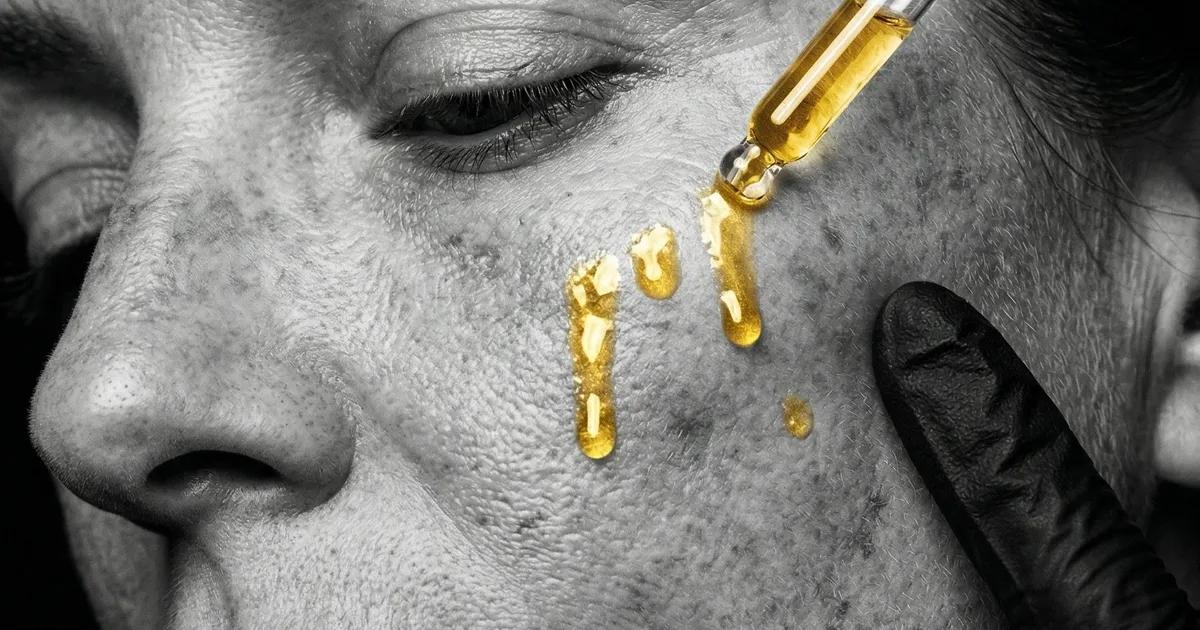
September is the optimal time to act: the skin has just accumulated weeks of UV radiation, sea salt and chlorine, and there is still time to reverse much of the damage before the autumn chill aggravates existing dehydration.
September is the optimal time to act: the skin has just accumulated weeks of UV radiation, sea salt and chlorine, and there is still time to reverse much of the damage before the autumn chill aggravates existing dehydration. A professional facial cleanse combined with a reparative facial treatment is the most effective protocol for restoring radiance and preventing sun spots from becoming permanent. The majority of visible damage accumulated during summer is reversible if professional intervention begins before temperatures drop.
How summer affects the skin: sun damage, dehydration and dark spots
Photoageing is the cumulative skin deterioration caused by ultraviolet radiation and represents the primary cause of premature visible ageing. According to data published in the Journal of Investigative Dermatology, accumulated UV radiation is responsible for up to 80% of visible ageing in adult skin. During the summer months, this process intensifies because exposures are longer, more intense and frequently less protected than perceived. The result is skin that arrives in September with irregularly dispersed melanin, weakened collagen fibres and a compromised epidermal barrier that no longer responds to its usual skincare products.
Accumulated UV radiation and oxidative stress
UVA radiation penetrates to the deep dermis and generates free radicals that oxidise skin cells even on overcast days or through window glass. Direct observation in the treatment room confirms that combination and sensitive skins are the first to show this oxidative stress: persistent redness, loss of firmness and micro-irregularities in tone that were not present in June. The tan temporarily masks these changes, leading people to underestimate the real damage until the colour fades in October.
Dehydration, chlorine and sea salt
Pool chlorine and sea salt strip the natural lipids from the epidermis, progressively weakening the hydrolipidic barrier. Professional practice shows that the skin loses between 25% and 30% of its water-retention capacity after a summer of frequent bathing without adequate post-exposure hydration. This loss translates into a rougher texture, visibly dilated pores and a persistent feeling of tightness that does not improve with the usual moisturiser alone.
5 signs your skin needs a post-summer facial treatment
Summer-damaged skin sends very recognisable signals indicating the need for professional intervention. In professional practice, the majority of clients arrive in September with at least three of these five indicators present simultaneously:
- Dull, uneven tone: the tan fades but the tone does not return to its pre-holiday uniformity.
- New or darker brown spots: hyperpigmentation points that were not there in June, especially on the forehead, cheekbones and upper lip.
- Tightness and flaking: the skin feels tight when making facial expressions and small flakes appear on the cheeks and between the brows.
- Dilated pores and comedones: residue from sun cream, salt and dust clogs the pores unless a deep cleanse is carried out.
- Increased sensitivity: skin that was not previously sensitive reacts to familiar products or to the first temperature changes.
These signs do not resolve on their own. The natural cell renewal cycle lasts 28 days, but the accumulation of oxidative damage and deep dehydration requires external support to be effectively reversed within that timeframe.
Professional facial treatments to repair September skin
A professional post-summer facial treatment is a sequential protocol combining deep cleansing, controlled exfoliation and the application of reparative actives tailored to the skin's condition after sun exposure. It is not a single fixed procedure but a strategy that the therapist personalises according to the skin type and degree of damage observed during the initial assessment. There are three main lines of action that complement each other and can be combined in a single session or spread across a cycle of several visits.
Post-summer deep facial cleanse
A professional facial cleanse is the first and most critical step: without removing excess dead cells, accumulated keratin and sunscreen residue, the reparative actives applied afterwards cannot penetrate the skin properly. Standard practice in a professional salon is to combine an enzymatic or steam cleanse with impurity extraction and an exfoliation calibrated to each client's sensitivity level. For a deeper look at the complete process, the deep facial cleanse: complete guide details each step and what to expect in the treatment room. If some redness appears after the session, that is normal and transient: the article on redness after a facial cleanse explains how long it lasts and what to apply in each case.
Hydrating and reparative treatment
The post-summer hydrating treatment is a protocol focused on restoring the skin barrier using high-density ingredients such as hyaluronic acid, ceramides and aloe vera extract. Data from Adrian Beauty Studio indicate that clients who combine a cleanse and hydrating treatment in the same September visit notice a visible improvement in texture and radiance within the first week. The session lasts approximately 45 to 60 minutes and includes an intensive hydration mask and a reparative serum applied with a high-penetration technique.
Anti-dark-spot and tone-unifying treatment
The post-summer anti-dark-spot treatment is based on inhibiting tyrosinase -- the enzyme responsible for melanin synthesis -- using actives such as niacinamide, kojic acid or liquorice extract. According to the Spanish Association of Professional Aesthetics, this treatment should be started once the active tan has begun to fade -- usually from the second week of September -- so as not to work on skin still in an active melanin oxidation phase. If the dark spots are related to waxing in the sun, the article on dark spots from waxing in the sun may also be useful. For those also looking to prevent future photoageing, the article on anti-ageing facial treatment expands on the available options.
Recovery calendar: when to start and how often to repeat
The standard protocol follows a progression from lower to higher intensity: starting with cleansing and hydration in the first weeks, then advancing to more potent actives such as depigmenting agents or gentle chemical exfoliants. This order protects the skin barrier and maximises absorption at each phase of the cycle. The recommended schedule for September is:
| Week | Objective | Recommended treatment |
|---|---|---|
| Week 1 | Cleanse and soothe | Deep facial cleanse plus calming mask |
| Week 2 | Deep rehydration | Hydrating treatment with hyaluronic acid |
| Week 3 | Begin tone unification | Gentle depigmenting treatment plus vitamin C |
| Week 4 | Consolidate and protect | Reparative treatment plus reinforced sun protection |
The ideal maintenance through autumn is one session every 3 to 4 weeks. This rhythm coincides with the cell renewal cycle and allows each treatment to act on freshly renewed cells, maximising the absorption of reparative actives between sessions. To complete the work at home, the article on weekly beauty routine offers a guide to complementary steps.
Home skincare routine to complement professional treatment
In-salon treatments are more effective when reinforced with a home routine consistent with the actives applied during the session. These are the essential steps for the post-summer period:
- Double cleanse in the evening: first an oil or balm cleanser to dissolve sunscreen residue and pollution; then a gentle gel or foam cleanser. Avoid very hot water.
- Alcohol-free toner: rebalances the skin's pH without drying it out. Toners with 5% glycolic acid help maintain gentle exfoliation between salon sessions.
- Vitamin C serum in the morning: a key antioxidant to counteract residual oxidative stress. Always apply before sun protection.
- SPF 50 sunscreen morning and afternoon: UVA rays remain active in September even on cloudy days. Reapply if spending prolonged time outdoors.
- Ceramide night cream: restores the lipid barrier without irritation. Avoid concentrated retinol until the skin has fully stabilised.
- Gentle exfoliation once a week: never within the two days following an in-salon session.
Before introducing new actives into your routine, it can be helpful to review how to prepare your skin before a facial treatment to understand which ingredients to combine and which to avoid using simultaneously.
Post-summer facial treatments in Gandia and Ontinyent
Adrian Beauty Studio has two centres in the Valencian Community where these post-summer protocols are carried out during September and October. Our Gandia centre serves clients from La Safor and the coast, an area especially exposed to the sun due to its proximity to the sea, where radiation and salt-water damage is more frequent and intense. Adrian Beauty Studio in Ontinyent, in the heart of the Valle de Albaida district, offers the same service as a reference beauty centre for the inland area of the province of Valencia.
At both centres, the therapist carries out an initial skin assessment before defining the treatment for each session, without rigid pre-set protocols that fail to match the skin's actual condition at that moment. Updated prices and availability can be checked directly on the facial cleanse service page. September sees the highest demand for reparative sessions of the year: booking in advance secures a slot at the most appropriate point in the recovery cycle.
Frequently asked questions about post-summer skin repair
How long does it take for the skin to recover after summer?
Full skin recovery after summer depends on the degree of accumulated damage and on whether it is complemented with professional treatment or home care alone. With a schedule of in-salon sessions maintained throughout autumn and a suitable home routine, visible results in tone and texture are noticeable within 4 to 6 weeks of the first session. Without professional intervention, natural renewal can take 8 to 12 weeks, and deep oxidative damage may not fully reverse. Sun spots, in particular, require a specific approach with depigmenting actives: they do not disappear with hydration alone.
Can I have a facial cleanse with tanned skin?
Yes, a facial cleanse can be carried out on tanned skin, although with important considerations. The therapist will assess the level of skin reactivity before applying exfoliation or extraction, as freshly tanned skin may be more sensitive than usual. For the first session, a calming protocol that avoids intense mechanical exfoliation is recommended. From the second week of September, when the skin has begun to stabilise, it is possible to progress towards more active protocols with exfoliants or depigmenting agents. There is no need to wait for the tan to disappear completely before starting recovery.
How often should I have a facial treatment in autumn?
The optimal cadence in autumn matches the epidermal renewal cycle: approximately one session per month. Maintaining that frequency during September, October and November consolidates results and protects the skin against the first cold snaps, which tend to aggravate the dryness of a barrier already compromised by summer. One monthly session combined with a consistent home routine is sufficient to keep the skin in optimal condition throughout autumn. Those with active hyperpigmentation may benefit from a slightly shorter interval during the first weeks of the recovery cycle.
Which facial treatment is best for sun spots?
Sun spots respond best to treatments combining controlled chemical exfoliation with actives that inhibit melanogenesis, such as niacinamide, kojic acid, arbutin or azelaic acid. In the treatment room, the use of ionised vitamin C or gentle enzyme peels accelerates the renewal of hyperpigmented cells progressively. It is essential to begin treatment once the active tan has subsided, as working on skin in full melanin oxidation phase can worsen spots rather than improve them. Visible results require 6 to 8 weeks of regular treatment, always accompanied by daily sun protection.
Is it normal for the skin to flake after summer?
Yes, post-summer flaking is a normal and frequent physiological process. Sun exposure activates accelerated epidermal turnover: the skin produces more melanin and more new cells, and the surface layers die sooner than usual. When the exposure ends, that accelerated cycle stops and the cells accumulated on the surface shed visibly. Problematic flaking -- the kind that causes intense irritation, severe tightness or visible patches -- indicates that the skin barrier has been compromised and needs intensive hydration and, possibly, professional intervention. Avoiding aggressive mechanical exfoliation during this phase and applying ceramides speeds up resolution.
Which ingredients help repair sun-damaged skin?
The most effective ingredients for post-solar repair are hyaluronic acid in multiple molecular weights -- to act at different dermal layers -- ceramides, niacinamide, stabilised vitamin C, aloe vera and glycolic acid. In professional sessions, the therapist may apply these actives via iontophoresis or electroporation, techniques that increase skin penetration by up to 40% compared with conventional manual application. At home, combining vitamin C in the morning and hyaluronic acid in the evening, always with SPF 50, reproduces part of that effect consistently throughout autumn.
September is the month when the skin is most receptive to reparative treatments. Book an initial assessment at our Gandia centre or at Adrian Beauty Studio in Ontinyent and design the most suitable protocol for your skin's current condition with the therapist before the cold arrives.
Quick reference: active creams
| Active | Function | Ideal for |
|---|---|---|
| Collagen | Firmness | Mature skin |
| Hyaluronic acid | Deep hydration | Dehydrated skin |
| Vitamin C+E | Radiance | Dull tone, dark spots |
| Depigmenting | Even tone | Sun spots |