Semi-Permanent Polish: What It Is, How Long It Lasts and Aftercare
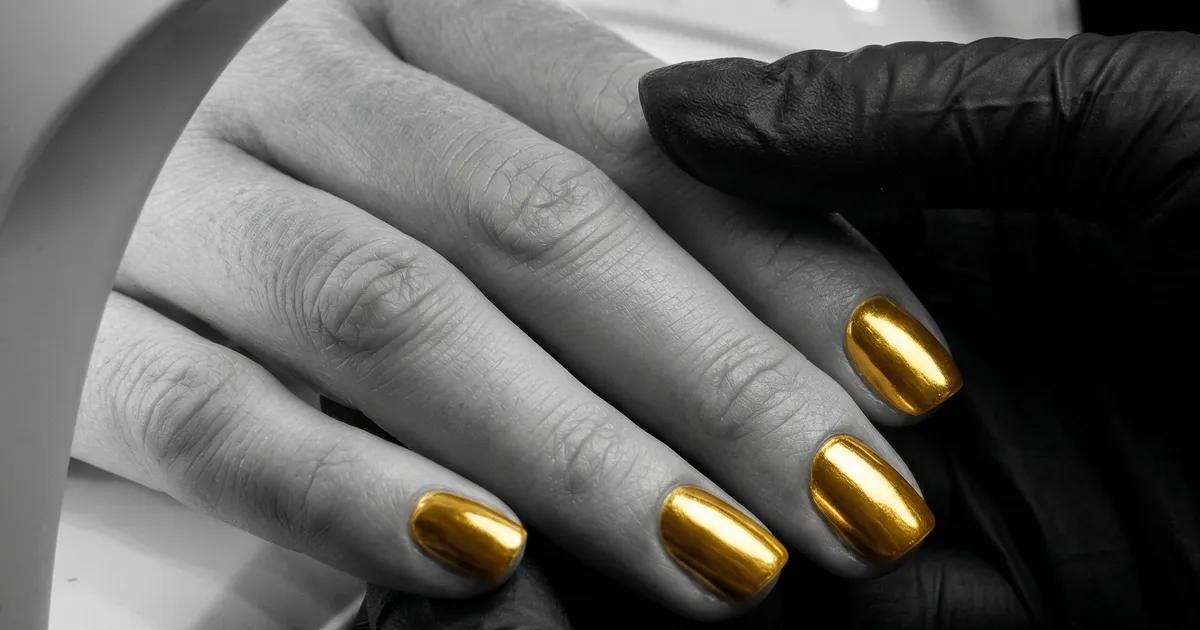
Semi-permanent polish is a nail coating cured under an LED lamp that lasts 2–3 weeks without chipping. It is the least invasive long-lasting manicure system: it adds no structure or thickness, and is removed with acetone in 10–15 minutes.
What is semi-permanent polish
Semi-permanent polish is a type of nail coating applied like conventional polish but hardened under an LED or UV lamp, giving it far superior resistance and durability compared with traditional polish. Its formulation contains photocurable oligomers and polymers that, when exposed to light, create a solid, glossy layer resistant to chipping for weeks.
Unlike gel or acrylic systems, semi-permanent polish adds no structure or thickness to the nail. It adheres directly to the natural surface, making it the least invasive option among all long-lasting manicures. According to European cosmetics industry data (Beauty Trends Report 2024), semi-permanent polish accounts for approximately 62% of all manicures carried out in professional salons in Spain, ahead of gel, acrylic and traditional polish.
Within semi-permanent polish, there are two main systems worth distinguishing:
Shellac (CND): this was the first brand to popularise the concept over fifteen years ago. It offers a highly glossy, "wet mirror" finish with an extensive colour range. Its formulation is a patented blend of traditional polish and gel, and it is removed relatively easily by soaking in acetone.
Rubber Base: a more flexible system with a slightly more natural finish. It provides a somewhat thicker layer than Shellac, which can help protect thin or fragile nails. Many clients describe it as "more comfortable to wear" because the feel is closer to conventional polish.
At Adrian Beauty Studio we offer both systems so you can choose according to your finish preference and lifestyle. If you are unsure which to go for, your therapist will advise you at the appointment.
How semi-permanent polish is applied step by step
A semi-permanent polish session in Ontinyent or Gandia takes between 30 and 45 minutes, depending on the condition of the nails and the design chosen. If you need removal of a previous polish, add roughly 10–15 extra minutes.
Nail preparation (5–10 minutes)
At Adrian Beauty Studio, the preparation includes Russian manicure with electric-file cuticle shaping: a technique that achieves a cleaner finish and allows the polish to be applied closer to the root.
The hands are disinfected and the cuticle is gently pushed back with a wooden or metal pusher. The nail is filed to create a slightly rough texture that improves adhesion. Dust is cleaned away with gauze soaked in dehydrator.
This step is key: poor preparation is the number one cause of premature peeling. If you want to explore this issue further, see our guide on bubbles and peeling in semi-permanent polish.
Base application (2 minutes)
A thin layer of base coat (Shellac or Rubber Base, depending on your choice) is applied and cured under the LED lamp for 30–60 seconds. This base is what "anchors" the colour to the natural nail.
Colour (5–10 minutes)
One or two coats of colour are applied, each cured under the lamp. Darker shades (red, burgundy, black) usually need two coats; lighter or nude shades may only need one. Each curing takes between 30 and 60 seconds.
Top coat and finish (2–3 minutes)
The manicure is sealed with a layer of top coat, which is cured one final time. Then the tacky dispersion layer (if the top coat is not "no-wipe") is removed with a specific cleanser. The result is an intense shine that remains intact throughout the life of the polish.
Final moisturising
Cuticle oil and hand cream are applied. The nails are ready for daily life from the moment you leave the salon; there is no drying time.
How long does semi-permanent polish last?
The standard duration of semi-permanent polish ranges from 2 to 3 weeks, although several factors modify this significantly.
Factors that shorten the duration: frequent contact with hot water and detergents (washing up without gloves, cleaning with chemical products), using your nails as tools (peeling labels, scraping surfaces) and extreme dehydration of hands and cuticles.
Factors that extend it: wearing rubber gloves for household chores, applying cuticle oil 2–3 times a week, and avoiding sudden temperature changes (switching between very cold and very hot water weakens the polymer).
From the second week onwards, the growth of the natural nail becomes noticeable at the base, creating a visible line between the polish and the cuticle. This is purely aesthetic and does not indicate that the polish is failing. Most clients schedule their next appointment between week 2 and week 3, depending on their tolerance for that visible regrowth.
If you need it to last consistently beyond 3 weeks, you may want to explore options such as semi-gel or gel, which offer greater adhesion in exchange for a slightly longer removal process.
Comparison: semi-permanent vs gel vs acrylic vs polygel
Choosing the right type of manicure depends on your lifestyle, the condition of your nails and how much time you want to devote to maintenance. This table summarises the main differences between the four most popular systems.
| Feature | Semi-permanent | Gel / Polygel | Acrylic |
|---|---|---|---|
| Durability | 2–3 weeks | 3–4 weeks | 3–5 weeks |
| Adds structure | No | Yes (moderate-high) | Yes (high) |
| Thickness on nail | Minimal | Medium | High |
| Removal process | Acetone 10–15 min | Filing + acetone 20–30 min | Filing + acetone 30–40 min |
| Potential nail damage | Low (if removed properly) | Medium | Medium-high |
| Ideal for | Healthy natural nails, natural look | Thin nails needing reinforcement | Length extension, extreme shapes |
| Appointment time | 30–45 min | 60–90 min | 75–120 min |
| Maintenance | Reapplication every 2–3 weeks | Infill every 3–4 weeks | Infill every 3–4 weeks |
| Indicative price | From €17 | From €29 | From €35 |
For a more detailed comparison between building systems, we recommend our guide on semi-gel vs gel and acrylic and the complete guide to manicures and nail types.
Is semi-permanent polish safe for nails?
Semi-permanent polish is the least aggressive long-lasting manicure system for the natural nail, provided it is applied and removed correctly. It does not require deep filing of the surface (only a gentle buff), does not use liquid monomers with strong odours, and is removed with acetone without the need for an electric file.
That said, semi-permanent polish is not "harmless". According to a study published by the European Association of Cosmetic Dermatology (2023), continuous use without breaks can cause temporary dehydration of the surface layers of the nail, especially if removal is done aggressively (peeling, scraping or using metal tools).
When to take a break
If you have had more than 4–5 consecutive applications without a pause, it is worth leaving the nails natural for 2–3 weeks. Use that time to moisturise them daily with cuticle oil and a repair cream. You may notice the nail appears thinner or whitish immediately after removal: this is surface dehydration, not structural damage, and it recovers within 7–10 days with good hydration.
Allergies and sensitivity
Although rare, some people develop sensitivity to methacrylate (HEMA), a component present in many semi-permanent formulas. Symptoms include redness around the nail, itching or small blisters. If you notice any of these signs, stop using the product and consult a dermatologist. You can read more in our guide on semi-permanent polish allergy: symptoms and what to do.
Advantages and disadvantages of semi-permanent polish
Advantages
- Real durability: 2–3 weeks without chipping, compared with 3–5 days for conventional polish.
- Instant drying: because it cures under a lamp, there is no risk of smudging the polish when you leave the salon. You can pick up your bag, keys or phone immediately.
- Wide colour range: brands like CND Shellac offer over 150 shades, including glitter, matte, chrome and French finishes.
- Simple removal: compared with gel or acrylic, the process is quicker and less aggressive.
- Compatible with short natural nails: no extension or building required beforehand.
Disadvantages
- Does not correct shape or add length: if your nails are very short or bitten, semi-permanent polish coats them but does not "build" them. For that you need acrylics or polygel.
- Maintenance every 2–3 weeks: although it lasts longer than regular polish, it requires regular appointments if you want to maintain the look.
- Acetone is drying: the removal process with acetone can dehydrate nails and cuticles if you do not moisturise afterwards.
- Temptation to peel: when the polish starts to lift, it is tempting to peel it off. This damages the top layer of the natural nail. Never do it.
How often is semi-permanent maintenance needed?
Semi-permanent polish maintenance involves removing the previous polish and applying a new one. There is no "infill" as with gel or acrylic, because semi-permanent does not build structure.
The recommended frequency is every 2–3 weeks, depending on:
- Nail growth speed: this varies between individuals. In summer, nails grow faster (heat stimulates circulation), so you might need appointments every 2 weeks rather than every 3.
- Aesthetic tolerance: some clients cannot stand even 1 mm of regrowth; others are comfortable with up to 2–3 mm.
- Type of activity: if you work with your hands (hospitality, cleaning, gardening), wear is greater and it is worth renewing sooner.
A practical data point: according to a CND Shellac survey (2024) conducted in European salons, the average semi-permanent appointment frequency is 17 days, with a range from 12 days (clients with fast growth) to 24 days (clients with sedentary lifestyles).
If you want to reduce the frequency of visits, consider options such as traditional OPI polish for lower-commitment weeks, or semi-gel if you prefer something that lasts a little longer without moving to full gel.
Can semi-permanent polish be done on the feet?
Yes, and it is one of the most popular combinations, especially in spring and summer. Semi-permanent polish on the feet (semi-permanent pedicure) lasts even longer than on the hands, as toenails grow more slowly and are less exposed to water and chemical products.
On the feet, semi-permanent polish can easily last 3–5 weeks. Many clients have a Shellac pedicure at the start of summer and it lasts the whole of June without touch-ups.
Some specific considerations for the feet:
- If you have fungus or infections on the toenails, mention it before the appointment. In those cases, it may be necessary to treat the problem with a podiatrist first.
- Very tight closed-toe shoes can cause scuffing on the polish of the smaller toes.
- A semi-permanent pedicure includes full foot treatment (moisturising, cuticles, filing), not just the polish.
You can book your pedicure in Ontinyent or in Gandia with the Shellac option for a long-lasting, glossy finish.
How is semi-permanent polish correctly removed?
Correct removal of semi-permanent polish is as important as the application. Aggressive removal can damage the surface layers of the natural nail, leaving it thin, rough and prone to breaking.
Professional removal in the salon (recommended)
- The top layer of the top coat is gently filed to break the seal.
- A cotton pad is soaked in pure acetone and placed on each nail.
- It is wrapped with aluminium foil or silicone clips are used to maintain contact.
- Wait 10–15 minutes without moving the fingers.
- The softened polish is removed with a wooden pusher, without scraping or pressing.
- A gentle buff is applied if any residue remains, followed by moisturising with oil.
At Adrian Beauty Studio, full removal including a manicure costs €15. We also offer removal as a standalone service if you prefer to leave your nails natural.
Removal at home (only if you know how)
It is possible, but salon experience shows that most nail damage problems come from impatient home removals. If you decide to do it at home, you need pure acetone (not regular nail polish remover), cotton pads, aluminium foil and patience. If after 10 minutes the polish does not come off, do not scrape: repeat the soak. Never use pointed metal tools.
For more details on removal issues, see our guide on semi-permanent polish problems and solutions.
Common problems and how to avoid them
Semi-permanent polish peels off too early
The most frequent causes are: dehydrated nails before application (using hand cream just before the appointment), insufficient filing of the surface, and excessively thick layers of polish. If this happens to you repeatedly, let your therapist know so they can adjust the preparation. Sometimes switching systems (from Shellac to Rubber Base or vice versa) solves the problem.
Bubbles appear under the polish
Bubbles form when air gets between the layers, usually from applying the polish too quickly or in thick coats. An experienced professional applies thin, even layers to avoid this. If you want to understand this topic in depth, we have a dedicated article on bubbles in semi-permanent polish.
The colour yellows or loses shine
This happens with lighter shades (whites, nudes, pale pink) if you expose your nails to cleaning products without gloves or to hair dye. Wear gloves for household chores and let your hairdresser know if you are having your hair coloured with freshly done nails.
The tips lift
"Lifting" at the tips is usually caused by not properly sealing the free edge of the nail during application, or by using the nails to open or scrape things. If you notice a tip starting to lift, do not pull it: apply a drop of clear nail glue as a temporary fix and visit the salon for an individual repair.
How much does a semi-permanent manicure cost?
The price of a semi-permanent manicure varies depending on the product chosen and any additional options (French design, decorations, prior removal). At Adrian Beauty Studio, the price depends on the options you select when booking: product (Shellac or Rubber Base), whether you need removal of a previous polish, and whether you add nail art.
You can check all the options and current prices on the semi-permanent polish in Gandia and semi-permanent polish in Ontinyent pages.
As a general reference, semi-permanent is the most affordable long-lasting manicure, below semi-gel, gel and acrylic. It is also the quickest to apply (30–45 minutes compared with 60–120 for other systems), making it the option with the best time-to-result ratio for those who want beautiful nails without investing much time.
If you are considering other options, our comparison of OPI vs semi-gel and the guide on traditional polish vs gel may help you decide.
Semi-permanent polish in Ontinyent and Gandia
Adrian Beauty Studio offers semi-permanent polish at both our Ontinyent and Gandia salons, with the same products, protocols and quality at both locations.
We work with CND Shellac and high-end Rubber Base, and every service includes full nail preparation (filing, cuticle care, dehydration) to ensure maximum longevity. If it is your first time, we will recommend the system and shade that best suit your nail type and lifestyle.
Book your semi-permanent appointment in Ontinyent or Gandia and arrive with clean nails or with previous polish (we remove it at the appointment itself — just let us know when booking so we can allow a few extra minutes).
Frequently asked questions
Can semi-permanent polish be done on bitten nails?
Yes, provided the nail has enough surface for the polish to adhere (at least 2–3 mm of visible nail plate). Semi-permanent polish does not extend the nail, but the glossy finish and the extra thickness of the cured layers help many people stop biting, because the nails feel more "finished" and the temptation is reduced. If your nails are extremely short or damaged, your therapist may recommend starting with a semi-gel treatment, which provides a little more structure.
Is it safe during pregnancy?
Semi-permanent polish is considered safe during pregnancy. It does not emit significant toxic vapours (the LED lamp is not high-powered UV), and the components do not penetrate the nail to reach the bloodstream. That said, some pregnant women notice increased sensitivity in the skin and nails, so let your therapist know if you feel any discomfort during the appointment. If you have any specific concerns about your case, consult your obstetrician or midwife.
Can I apply semi-permanent polish over gel or acrylic nails?
Yes, this is common. Many clients with gel or acrylic nails use semi-permanent polish as a colour layer instead of gel colour. The application is identical, but the removal only affects the colour, not the structure underneath. It is a practical way to change shade between infills without touching the build.
How many colours are available?
CND Shellac has over 150 permanent shades, plus seasonal collections that are refreshed every few months. At Adrian Beauty Studio we maintain a broad chart that includes the most requested shades (reds, nudes, pinks, burgundies, blacks) plus trending colours. If you are looking for a very specific shade, get in touch before the appointment to confirm availability.
What is the difference between semi-permanent and semi-gel?
Semi-permanent is a lamp-cured polish that does not add structure. Semi-gel combines the ease of application of semi-permanent with a light building base, providing slightly more thickness and protection for thin nails. Semi-gel lasts slightly longer (3–4 weeks) and is somewhat more impact-resistant. If your nails break easily, semi-gel may be the better option. If your nails are healthy and you just want colour, semi-permanent is sufficient.
What should I do if the semi-permanent polish peels off one nail?
Do not peel off the rest. You can apply a drop of clear nail glue or a thin layer of at-home top coat as a temporary fix. Then visit the salon for an individual nail repair (the cost at Adrian Beauty Studio is €4.50). If it peels off within the first week, mention the issue to your therapist: you may need a product change or a different preparation.
Does semi-permanent polish protect the nail?
It is not designed as a protective treatment, but it does create a physical barrier that can reduce the risk of breakage from light impact. Some clients with thin nails find that their nails "grow longer" with semi-permanent simply because they break less while the polish is on. However, if what you need is genuine structural protection, gel or semi-gel options are more suitable.
Can I have a French manicure with semi-permanent?
Yes. A French manicure with semi-permanent polish is one of the most popular designs. A nude or pink shade is applied as the base and the white line is painted on the tip. Because it cures under the lamp, the line stays perfectly defined for weeks — something impossible with traditional polish (where French typically lasts 3–4 days before chipping). At Adrian Beauty Studio, French nail art carries a supplement of €3.
Ready for fresh nails? Book your semi-permanent manicure in Ontinyent or Gandia and choose from Shellac, Rubber Base and over 150 colours.
Quick reference: manicure types
| Type | Duration | Session | Extends length? |
|---|---|---|---|
| Semi-permanent | 2–4 wks | 45–60 min | No |
| Semi-gel | 3–4 wks | 50–65 min | No |
| Gel/Polygel | 3–4 wks | 75–100 min | Yes |
| Acrylic | 3–5 wks | 80–110 min | Yes |
| OPI | 5–7 days | 30–40 min | No |