Skin Care After Waxing: Complete Aftercare Guide
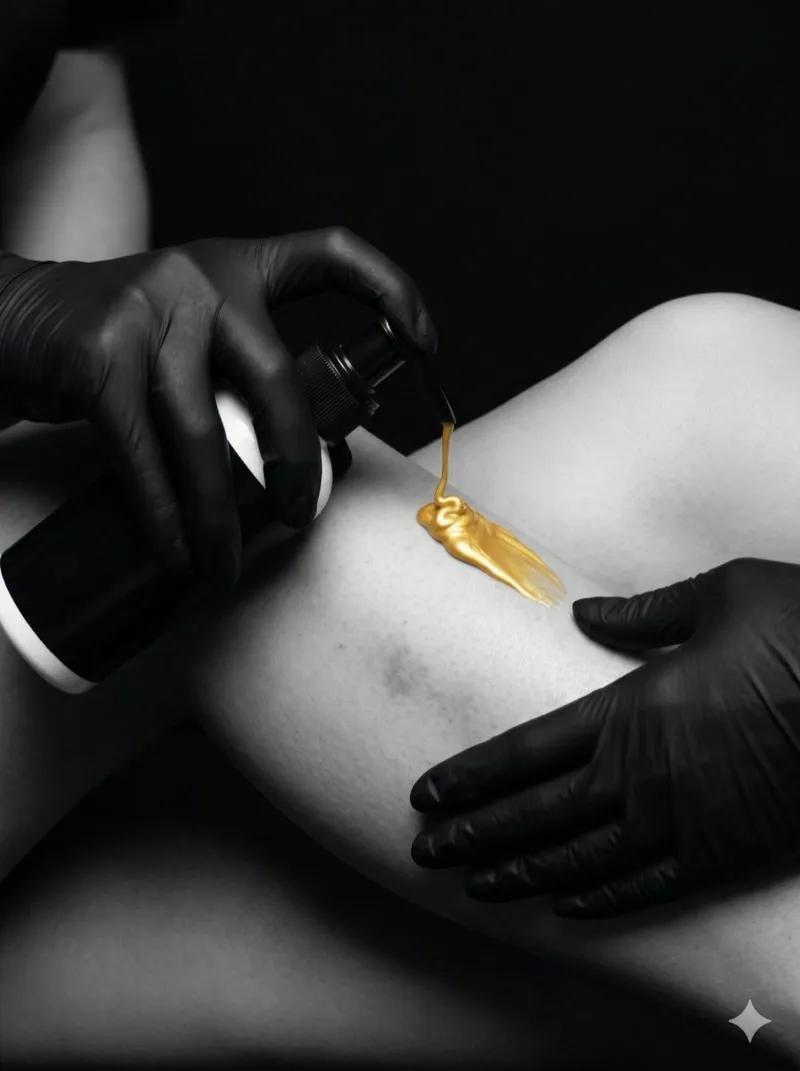
Waxing leaves the skin smooth and hair-free for weeks, but what you do in the hours and days afterwards makes the difference between a flawless result and irritated skin with spots or ingrown hairs.
Waxing leaves the skin smooth and hair-free for weeks, but what you do in the hours and days afterwards makes the difference between a flawless result and irritated skin with spots or ingrown hairs. Post-waxing aftercare is not optional — it is the second half of the treatment. Here is everything you need to know to look after your skin after every waxing session, zone by zone and day by day.
With our Unlimited Brows membership for just 10 €/month, you can have your brows waxed as many times as you need.
What Is Waxing Aftercare and Why Does It Matter?
Aftercare encompasses every step you take from the moment you leave the salon until the follicle has fully recovered — typically between 3 and 7 days depending on the area and your skin type.
How the skin is affected by waxing
Wax removes hair from the root, which involves a controlled micro-aggression to the hair follicle. The skin responds with temporary redness, pores remain open and the skin barrier is slightly weakened. In sensitive zones — bikini line, underarms, upper lip — this reaction is more visible.
The warmth of warm or hot wax dilates the pores and sensitises the top layer of the epidermis. This is normal and part of the process, but it makes the skin fertile ground for irritation if precautions are not taken.
Benefits of proper aftercare
A good post-waxing protocol reduces the chances of folliculitis (those small red bumps that appear on day two or three) by up to 80%. It also minimises ingrown hairs, maintains hydration in the area and extends the waxing results by encouraging finer, more even regrowth.
At our Adrian Beauty Studio in Gandía and Adrian Beauty Studio in Ontinyent centres, aftercare begins in-salon: the beautician applies soothing products before you leave. But what you do at home over the following days is equally decisive.
Immediate Care: The First 24 Hours After Waxing
The first 24 hours are the most critical period. The skin is sensitised, pores are open and any irritant can trigger a disproportionate reaction.
What the beautician should do in the salon
In a professional beauty salon, immediate aftercare is part of the service. Typically the beautician will apply:
- Post-waxing oil to remove wax residue and calm the area.
- Aloe vera lotion or gel to lower the skin's temperature.
- Gentle antiseptic product (such as diluted chlorhexidine) on areas prone to folliculitis like the bikini line or underarms.
If you notice that no product is applied after wax removal during your session, ask. It is a step that should never be skipped. In our waxing services this protocol is followed at every appointment.
Essential steps at home on day one
- Do not touch the area unnecessarily. Hands transfer bacteria to open pores.
- Avoid very hot water: lukewarm or cool showers. No baths in the bathtub, jacuzzi or swimming pool.
- Do not apply deodorant to waxed underarms. Alcohol and fragrances on sensitised skin cause stinging and irritation.
- Loose clothing made of cotton or natural fibres. Avoid tight synthetic fabrics, especially in the intimate area and underarms.
- No exercise for at least 24 hours. Sweat on open pores is the number one cause of post-waxing spots.
- No direct sun exposure. In summer, protect the area with clothing; do not apply sunscreen to freshly waxed skin (fragrances and chemical filters can irritate).
Aftercare Routine for the Following 3-7 Days
After the first 24 hours, the skin enters an active recovery phase. Redness should disappear around day two for most people, but the follicles continue to close throughout the week.
Deep hydration and recommended products
Hydration is the cornerstone of aftercare from day two onwards. Look for creams or lotions containing:
- Pure aloe vera (minimum 90% concentration): calms, hydrates and has antibacterial properties.
- Bisabolol: a natural anti-inflammatory derived from chamomile.
- Hyaluronic acid in a lightweight texture: hydrates without clogging pores.
- Shea butter: ideal for larger areas such as legs and arms from day three.
Apply moisturiser twice a day (morning and evening) with gentle movements, without rubbing.
Daily hygiene without irritating the skin
Shower normally but use a soap-free cleanser (syndet or pH-neutral wash) for the first week. Conventional shower gels with sulphates dry out and irritate waxed skin. Dry the area with gentle patting, without rubbing.
Activities and clothing to avoid
| Activity/Item | When you can resume |
|---|---|
| Intense exercise / sweating | From 24-48 hrs |
| Swimming pool, beach, jacuzzi | After 48 hrs minimum |
| Exfoliation | From day 5-7 |
| Tight synthetic clothing | Avoid for at least 2-3 days |
| Fake tan | Wait 48 hrs |
| Intimate relations (bikini zone) | At least 24-48 hrs |
Effective Products to Boost Aftercare
Post-waxing serums and moisturisers
Products specifically formulated for waxing aftercare exist. The most effective contain a combination of soothing actives (aloe, calendula) with agents that slow hair regrowth. Brands such as Depilflax, Perron Rigot and Cirepil offer professional post-waxing lines that are also available for home use.
A serum with 5% niacinamide is a great ally from day three: it regulates sebum production and prevents post-inflammatory marks.
Natural remedies that work
- Pure aloe vera gel (directly from the plant or packaged without additives): applying it cold from the fridge multiplies its soothing effect.
- Diluted tea tree oil (2-3 drops in a tablespoon of coconut oil): a natural antiseptic effective against mild folliculitis. Never apply neat to the skin.
- Cold chamomile compresses: reduces redness in small areas such as brow services in Gandía or upper lip. Also available at brow services in Ontinyent.
- Rosehip oil: regenerative, ideal for skin prone to post-waxing hyperpigmentation.
Products to avoid after waxing
- Perfumes and colognes directly on the waxed area.
- Creams with retinol or exfoliating acids (glycolic, salicylic) for at least 5 days.
- Alcohol-based deodorants on underarms.
- Mineral oils (paraffin): they occlude the pore and encourage ingrown hairs.
- Fake tan for the first 48 hours.
Preventing Complications: Ingrown Hairs, Folliculitis and Irritation
Most post-waxing complications are prevented with correct aftercare. But if they appear, it is worth knowing how to act.
How to prevent ingrown hairs after waxing
An ingrown hair occurs when the new hair cannot break through the surface layer of the skin and grows inwards. To prevent it:
- Gently exfoliate from day five with an exfoliating mitt or a fine-grain scrub. Do it in the shower with circular motions, without pressing.
- Keep the area moisturised: dry, thickened skin traps hair more easily.
- Do not pluck ingrown hairs with household tweezers. If you see one forming, apply a warm compress to soften the skin and let it emerge naturally.
- Exfoliate 2-3 times a week between waxing sessions as a preventive routine.
For more detail on caring for areas prone to ingrown hairs, see our guide on bikini waxing: techniques and care or the Brazilian wax guide.
What to do if folliculitis appears
Folliculitis consists of those small red dots — sometimes with a white head — that appear around the follicles. It is a mild inflammation that usually resolves on its own in 3-5 days if you:
- Apply aloe vera gel or a cream with 0.5% chlorhexidine twice a day.
- Do not squeeze the spots. Squeezing them worsens the inflammation and can leave marks.
- Wear breathable clothing and avoid excessive sweating.
If the folliculitis does not improve within a week, spreads, or signs of infection appear (pus, intense pain, warmth in the area), consult a healthcare professional.
Managing redness and irritation
Immediate redness is the skin's normal response. It should reduce significantly within the first 6-12 hours. If it persists beyond 48 hours or is accompanied by swelling, apply:
- Cold compresses (never ice directly).
- Cream with calendula or bisabolol.
- In severe cases, a 0.5% hydrocortisone cream may help, but only briefly and after consulting a pharmacist.
Zone-Specific Aftercare
The general principles of aftercare are universal, but each zone has its own particularities. Facial skin does not react the same way as leg skin, and areas with folds (underarms, bikini) require extra attention.
Facial waxing care (brows, upper lip, chin)
Facial skin is thinner and more reactive. After brow shaping in Gandía or upper lip waxing: Also available at brow shaping in Ontinyent.
- Do not apply makeup to the area for at least 4-6 hours.
- Use a fragrance-free soothing cream (such as Cicaplast or Cicalfate).
- Avoid direct sun exposure for 48 hours; if unavoidable, use a mineral (not chemical) sunscreen from day two.
- Do not touch the area with your hands. The temptation is strong, but every contact introduces bacteria.
For more details on facial waxing, we have specific guides on brow waxing and upper lip waxing.
Underarm and linea alba care
Underarms combine two complicating factors: skin folds and constant perspiration. Aftercare is therefore especially important:
- Swap your usual deodorant for an alcohol-free, fragrance-free alternative for 24-48 hours. Natural alum stones or sensitive-skin cream deodorants are good temporary options.
- Avoid shaving the area between waxing sessions. A razor changes the direction of hair growth and encourages ingrown hairs.
- Dry the fold thoroughly after showering to prevent maceration.
You will find the full details in our guide on underarm waxing and anti-irritation care.
Intimate zone care (bikini, Brazilian, Hollywood)
The intimate zone is, by far, the most sensitive to aftercare. The skin is thin, there is constant friction with underwear and moisture encourages bacterial growth.
- Cotton underwear for at least 48 hours. No synthetic thongs or tight clothing.
- Do not apply scented creams or products not designed for the intimate area.
- Sleep without underwear the first night if possible. Ventilation reduces irritation.
- Avoid intimate relations for at least 24-48 hours to minimise friction on sensitised skin.
If you had a Brazilian or Hollywood wax, also see our guide on buttock waxing for specific perianal care.
Leg, arm and back care
Larger body areas are less prone to complications, but post-waxing dryness is more noticeable. Wax strips away dead cells and part of the skin's natural hydrolipidic film.
- Moisturise generously from day two. Legs, in particular, tend to flake if not well hydrated.
- Do not scratch if you feel mild itching — it is a sign that the follicle is closing.
- Exfoliate with an exfoliating mitt from day five, paying particular attention to the backs of the thighs and the arms, where ingrown hairs are common.
For those looking for a full body wax, maintaining this routine across all zones simultaneously is simpler than it sounds: just incorporate hydration and exfoliation into your regular shower.
Frequently Asked Questions About Waxing Aftercare
How long should I wait before exercising after waxing?
The minimum recommendation is 24 hours, though ideally wait 48 hours if you waxed areas with folds such as underarms or bikini line. Sweat contains salts and bacteria that, upon contact with open pores, almost certainly cause folliculitis. If you train daily and cannot skip a day, at least avoid high-sweat exercises (spinning, CrossFit, running) and opt for something gentle like yoga or Pilates, showering immediately afterwards.
Can I exfoliate my skin after waxing?
Yes, but not immediately. Waxing already acts as a mechanical exfoliant by removing dead cells along with the hair, so for the first 5-7 days the skin does not need additional exfoliation. From day five, incorporate a gentle exfoliation 2-3 times a week to prevent ingrown hairs. Use an exfoliating mitt or a fine-grain scrub, always in the shower and on damp skin. Avoid exfoliants with strong acids or very abrasive particles.
How many days does the skin take to fully recover?
Most people find the skin completely back to normal between day 3 and day 7 after waxing. Redness disappears within the first 12-48 hours, sensitivity to touch lasts 2-3 days, and pores close completely around day 5. Factors such as skin type, the area waxed and whether it is your first session or you follow a regular waxing cycle all influence these timelines. Fair, sensitive skins take a little longer; skin accustomed to waxing recovers more quickly.
What should I do if I have irritation or redness?
Apply cold aloe vera gel to the area every 3-4 hours during the first day. If the irritation is intense, a cold compress (not direct ice) for 10 minutes relieves discomfort. Avoid any product with fragrance, alcohol or acids on the affected area. If redness has not subsided after 48 hours or blisters appear, consult a healthcare professional, as it could be an allergic reaction to a component of the wax.
Is itching normal after waxing?
Completely normal and, in fact, a good sign. Mild itching between day 2 and day 5 indicates that the follicle is closing and the skin is regenerating. Do not scratch; instead, apply cold moisturiser or aloe vera gel to relieve the sensation. If the itching is very intense, persistent or accompanied by raised hives, it could indicate an allergic reaction and you should consult a dermatologist.
What are the best natural aftercare products?
Pure aloe vera gel (without colourants or perfumes) is the king of natural aftercare: it calms, hydrates and has antibacterial action. Diluted tea tree oil (never neat) works as a preventive antiseptic against folliculitis. Cold chamomile infusion is an effective anti-inflammatory for small areas. And rosehip oil, applied from day three, helps regenerate the skin and prevents post-inflammatory hyperpigmentation. For larger areas such as legs or back, unrefined shea butter provides intense hydration.
Common Aftercare Mistakes to Avoid
After hundreds of waxing sessions in Gandía and Ontinyent, clear patterns emerge in the mistakes that recur: Also available at waxing in Ontinyent.
- Applying moisturiser immediately after waxing: pores are open. Wait at least 4-6 hours before applying any cream (except pure aloe with no additives).
- Going to the gym "because it is only half an hour": half an hour of sweating is enough to cause folliculitis that lasts days.
- Exfoliating too soon or too aggressively: exfoliating before day five can strip the protective layer the skin is forming.
- Using normal deodorant on freshly waxed underarms: the stinging is immediate and the irritation can last 2-3 days.
- Sunbathing without protection: freshly waxed skin is more vulnerable to dark marks. A sunburn on waxed skin can leave marks that take months to fade.
- Scratching when itching appears: scratching introduces bacteria and can cause micro-wounds that become infected.
- Not maintaining a hydration routine between sessions: aftercare does not end after one week. Moisturising the skin regularly between appointments improves the quality of every wax.
Your Skin Will Thank You
Waxing aftercare does not require expensive products or complicated rituals. It comes down to three principles: do not irritate (avoid heat, sweat, harsh products for the first 48 hours), hydrate (aloe, fragrance-free creams, consistency) and exfoliate (from day five, 2-3 times a week between sessions).
If you follow these steps, each waxing session will deliver better results than the last: less discomfort, less irritation, finer hair and smoother skin.
At Adrian Beauty Studio in Gandía and at our Ontinyent centre we accompany every session with professional in-salon aftercare and give you personalised guidance based on your skin type and the area treated. If you are looking for waxing with genuine follow-up, check out our waxing services and book your appointment.
Quick reference: waxing
| Zone | Session | Result | Pain (1-5) |
|---|---|---|---|
| Classic bikini | 15-20 min | 3-5 wks | 3-4 |
| Underarms | 10 min | 3-4 wks | 3 |
| Half legs | 20-25 min | 3-5 wks | 2-3 |
| Upper lip | 5 min | 2-3 wks | 3 |
| Brows | 10-15 min | 3-4 wks | 2-3 |
| Back | 25-30 min | 4-5 wks | 3 |