Gel Polish Allergy: Symptoms, Causes and Safe Alternatives
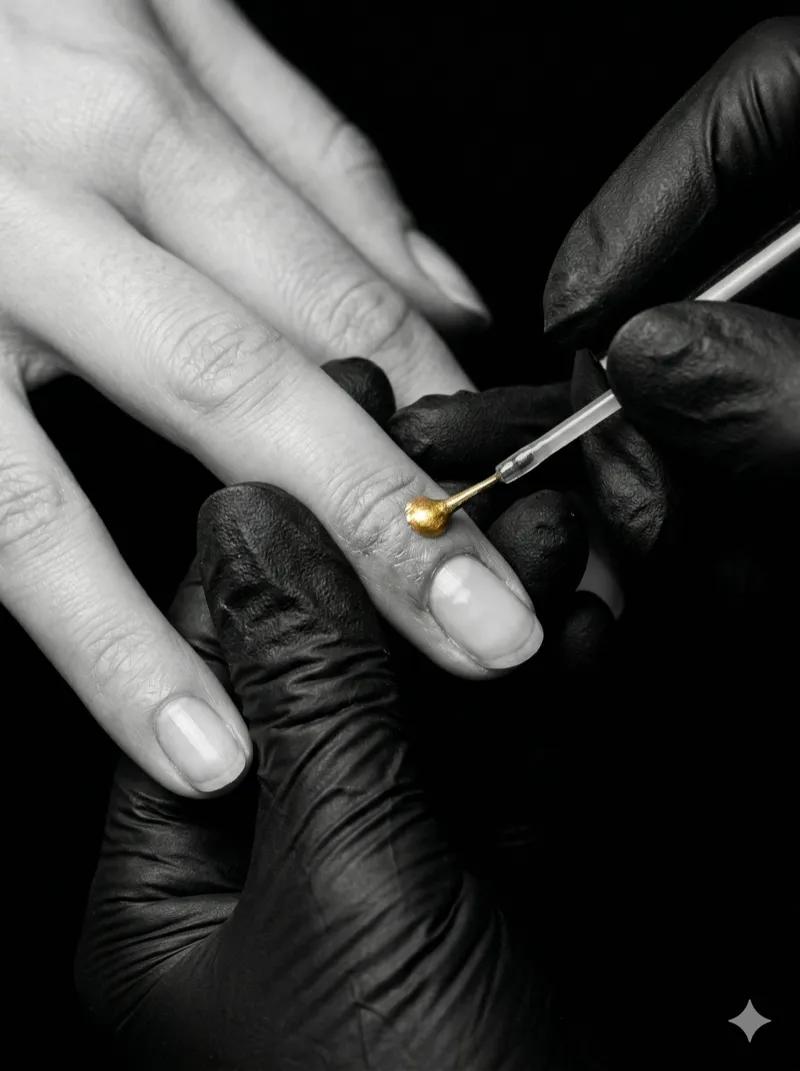
A gel polish allergy is an immune reaction — clinically known as allergic contact dermatitis — that causes itching, redness, flaking and, in some cases, blisters in the periungual area between 24 and 72 hours after application.
A gel polish allergy is an immune reaction — clinically known as allergic contact dermatitis — that causes itching, redness, flaking and, in some cases, blisters in the periungual area between 24 and 72 hours after application. It affects 2-3% of regular users and has a feature that catches many people off guard: it can appear suddenly after months or years of use without any issues. The primary cause is HEMA (2-hydroxyethyl methacrylate), present in 85-90% of conventional gel polishes on the market. Also available with gel polish in Ontinyent.
What is a gel polish allergy
A gel polish allergy is a type IV delayed hypersensitivity reaction (allergic contact dermatitis) triggered by the methacrylates in the product formula. Unlike simple irritation, the allergic response activates the immune system: the body identifies one or more components of the polish as foreign substances and generates sensitised T lymphocytes. In subsequent exposures, this response is amplified even at minimal doses of the allergen.
The prevalence of contact sensitisation to methacrylates has increased by 15% over the past decade according to European dermatology studies. It is estimated to affect between 2 and 3% of regular gel polish users, though the true figure may be higher given the rise of home use. A key fact: sensitisation is a cumulative process. The immune system may take months or years to generate a detectable response, which explains why many clients are surprised to react to a product they have used without issue for a long time.
Symptoms of gel polish allergy
The symptoms of allergic contact dermatitis from gel polish appear, in the majority of cases, between 24 and 72 hours after exposure. This time window generates the most confusion: it is common for clients not to associate itching or redness with the manicure in Gandía carried out two days earlier. Intensity varies according to the degree of sensitisation and the amount of allergen that contacted the skin. Also available with manicures in Ontinyent.
Mild and moderate symptoms
- Intense itching in the periungual area (around the nail) or the fingertips
- Redness and localised swelling: the skin surrounding the nail appears inflamed and warm to the touch
- Flaking and dryness at the nail edges, especially visible after polish removal
- Small vesicles (surface blisters) on the fingers or the back of the hand
- Incipient onycholysis: slight separation of the nail plate in cases of repeated and prolonged exposure
These symptoms can spread beyond the direct contact zone. Allergic contact dermatitis from methacrylates is known to affect eyelids, neck or cheeks when the client touches those areas during or immediately after application.
Severe symptoms requiring medical attention
Seek medical advice without delay if you experience:
- Large, tense blisters or blisters with discharge
- Inflammation extending beyond the fingers to the hand, wrist or forearm
- Difficulty breathing or chest tightness after exposure (a sign of systemic reaction: seek urgent attention)
- Symptoms that do not subside within 48-72 hours or that worsen progressively
Main causes: HEMA and other methacrylates
What is HEMA and why does it sensitise
HEMA (2-hydroxyethyl methacrylate) is the most frequent contact allergen in gel polish, identified in 85-90% of conventional formulas on the market. HEMA acts as a reactive monomer: during application, it polymerises under the UV/LED lamp to form the characteristic solid layer. When curing is incomplete, free monomers remain on the nail and penetrate the periungual skin, initiating the sensitisation process.
EU regulation 2020/1149 limits HEMA concentration to 35% in products intended for end consumers. Products for exclusively professional use in-salon may exceed that limit, which reinforces the importance of application by a trained beautician with correct technique and adequate equipment. In-salon experience shows that the majority of sensitisations are caused by incorrect product application, not by the formula itself.
Other potentially sensitising methacrylates in gel polishes include BISGMA, TEGDMA and HPMA.
Risk factors that increase the likelihood of allergy
- Frequent home application with low-quality products or without adequate technical training
- Damaged periungual skin: peeling cuticles or small wounds compromise the skin barrier and facilitate free monomer penetration
- Insufficient curing: LED lamps with low wattage or exposure times shorter than the manufacturer recommends
- History of allergy to adhesives, resins or acrylics (varnishes, glues, dental prostheses): cross-sensitisation between methacrylates is documented and common
- Years of continuous use without breaks, which increases total cumulative exposure
Difference between allergy and contact irritation
Irritant contact dermatitis is a non-immunological reaction caused by the product's direct effect on the skin barrier. It appears in the exact contact zone, usually when the skin is damaged or exposed to high concentrations of the product for a prolonged time. Symptoms are confined to the treated area and subside relatively quickly once the causative agent is removed.
Allergic contact dermatitis, by contrast, involves the immune system and behaves differently: it can spread beyond the application zone, intensifies with successive exposures — even at minimal allergen doses — and persists for weeks without appropriate treatment. The definitive diagnostic test to differentiate between the two is the patch test (epicutaneous test), carried out by a dermatologist, which identifies the specific allergen responsible. This distinction is not merely academic: it dictates the treatment and, above all, determines whether the client can safely continue using certain products.
What to do if you suspect an allergic reaction to gel polish
The first step when allergic reaction symptoms appear is to remove the gel polish as soon as possible. The complete removal and repair manicure service, carried out professionally, minimises trauma to the nail and surrounding skin and reduces ongoing allergen exposure.
The recommended protocol is as follows:
- Wash the area with warm water and mild soap, drying without rubbing
- Apply 1% hydrocortisone cream to the affected periungual skin, always as directed by a doctor and without exceeding the inflamed area
- Avoid all contact with methacrylates — gel polish, acrylic nails in Gandía, nail glues — until you receive a dermatological assessment. Also available with acrylic nails in Ontinyent.
- Consult a dermatologist to confirm the diagnosis and, if appropriate, carry out a patch test to identify the exact allergen
- Inform the beauty centre: telling the beautician allows the protocol to be adapted for future visits or safe alternatives to be proposed based on the client's history
Mild symptoms usually subside within 7 to 14 days after eliminating allergen contact and applying the appropriate treatment. In moderate cases, the process may take 2 to 4 weeks. Severe reactions require urgent dermatological assessment and may need stronger topical corticosteroids or oral antihistamines.
Safe alternatives to conventional gel polish
HEMA-free polishes and hypoallergenic formulas
HEMA-free polishes are gel polish formulations that remove 2-hydroxyethyl methacrylate and other high-sensitisation acrylates, replacing them with alternative monomers with lower allergenic potential. In 2026, the availability of these formulas has grown significantly: several leading professional brands now have specific lines for clients with a history of previous reactions.
It is important to note that "HEMA-free" does not equate to "risk-free". Some substitute formulations contain other acrylates that can also sensitise in individuals with highly reactive skin. A dermatologist can advise which specific monomers to avoid based on the patch test result. At our Gandía centre and our Ontinyent centre, the beauticians can advise on the most suitable options for each client and adapt the protocol according to the history communicated before the session.
Traditional OPI polish as a methacrylate-free option
Traditional OPI polish is a real and valid alternative for clients who have developed a gel polish allergy. High-quality conventional nail lacquers do not contain methacrylates: the drying mechanism is based on solvent evaporation, not chemical polymerisation, so there is no risk of sensitisation from HEMA or the other acrylates identified as common allergens.
The main difference compared with gel polish is durability: traditional polish lasts between 5 and 7 days under normal conditions, versus 2-3 weeks for gel polish. For clients with a diagnosed allergy, maintaining colour safely with more frequent salon visits is perfectly viable. The complete gel polish guide includes a detailed comparison of both options.
Unvarnished manicure and natural nail care
An unvarnished manicure offers allergy-prone clients the chance to keep their nails immaculately groomed — filed, with cuticles in perfect condition and well hydrated — without any polish or methacrylate-containing product. This service is particularly suitable during the recovery period after an allergic reaction, when the nail plate and surrounding skin need time to regenerate.
For clients whose nails have been weakened by prolonged gel polish use, the complete removal and repair manicure service combines safe product removal with a nail plate recovery protocol. Complementing in-salon care with a home natural nail care routine accelerates recovery and strengthens the periungual skin barrier.
How to prevent gel polish allergy in-salon
Preventing methacrylate sensitisation in the treatment room depends, to a great extent, on application technique. In-salon experience shows the most frequent technical errors that encourage sensitisation are:
- Product in contact with periungual skin: gel polish should be applied leaving an approximate 0.5 mm margin from the cuticle and lateral skin. Direct and repeated contact substantially increases the risk of cumulative sensitisation.
- Insufficient curing: each layer must be polymerised for the time specified by the manufacturer with an adequately powered LED lamp. Incomplete curing leaves free monomers in contact with the skin.
- Accumulation of layers without complete polymerisation: applying 3 or more layers without correct intermediate curing increases the concentration of free HEMA on the nail.
- Use of expired or questionable quality products: formula stability decreases over time, increasing the proportion of active free monomers.
Before any session, if there is a history of previous reactions to methacrylates, adhesives or acrylics, it is essential to communicate this to the beautician. That information allows the protocol to be adapted or alternatives to be proposed from the outset. For the most common technical issues that can be confused with allergic reactions, the guide on common gel polish problems offers solutions differentiated by cause.
Frequently asked questions about gel polish allergy
How do I know if I have a gel polish allergy?
The most characteristic signs are intense itching, redness and flaking in the periungual area appearing between 24 and 72 hours after application. If these symptoms recur across several consecutive sessions or intensify progressively, the probability of allergy increases significantly. The only way to confirm the diagnosis with certainty is a patch test (epicutaneous test) carried out by a dermatologist, which identifies the specific allergen responsible. Self-diagnosis is inadvisable: irritant dermatitis can present similar symptoms, but its mechanism and treatment differ. If in doubt, a dermatological consultation is the correct step before continuing with manicure sessions.
What component of gel polish causes the allergy?
HEMA (2-hydroxyethyl methacrylate) is the primary culprit, identified in 85-90% of conventional gel polishes. It acts as a reactive monomer that polymerises under a UV/LED lamp; when curing is incomplete, free monomers penetrate the periungual skin and initiate the sensitisation process. Other common methacrylates with sensitising potential include BISGMA, TEGDMA and HPMA. EU regulation 2020/1149 limits HEMA concentration to 35% in consumer products. Products for exclusively professional use in-salon may exceed that limit, underscoring the importance of application always being carried out by a trained beautician with correct technique.
Can I still have my nails done if I am allergic to gel polish?
Yes, but you must switch options. Clients with a diagnosed methacrylate allergy should avoid conventional gel polish and acrylic nails, but can turn to traditional OPI polish — which contains no methacrylates — or, with prior dermatological advice, HEMA-free formulas. An unvarnished manicure is another alternative that keeps the nails beautifully groomed with zero exposure risk. Continuing to use conventional gel polish with an established allergy can amplify the reaction and extend it to other parts of the body, so changing products is not optional once sensitisation is diagnosed.
How long does a gel polish allergic reaction take to clear?
For mild reactions, symptoms usually subside within 7 to 14 days after eliminating allergen contact and applying the prescribed treatment, typically 1% hydrocortisone cream. For moderate reactions, the process may take 2 to 4 weeks. Severe reactions, with extensive blistering or severe inflammation, require dermatological assessment and may need stronger topical corticosteroids or oral antihistamines. The disappearance of symptoms does not mean the allergy has gone: sensitisation is chronic and a new exposure to the allergen will restart the immune response with equal or greater intensity.
Are there hypoallergenic gel polishes?
HEMA-free polishes remove the main allergen from conventional gel polishes, but they do not guarantee a total absence of risk: other alternative formulations can also sensitise in individuals with highly reactive skin. In 2026, several professional brands have launched lines specifically developed for clients with a history of reactions, featuring formulas that replace HEMA with lower molecular weight acrylates with reduced sensitisation potential. Before trying any alternative, it is recommended to consult a dermatologist and carry out a patch test to identify which specific monomers must be avoided. The beautician can inform about the products available at the centre, but the medical opinion takes precedence.
Can a gel polish allergy appear suddenly after years of use?
Yes, and it is one of the most confusing aspects for regular clients. Allergic contact dermatitis from methacrylates is a cumulative sensitisation: the immune system can take months or even years to generate a clinically detectable response, even with regular exposure to the same product. Once sensitisation is established, symptoms appear consistently with every subsequent application, often more quickly and intensely than the first time. Having used the same polish for years without any problem does not in any way rule out the possibility of developing an allergy at a later point.
What is the difference between allergy and irritation from nail polish?
Irritant contact dermatitis is a non-immunological reaction caused by the product's direct effect on the skin barrier; it appears in the exact contact zone and usually resolves within a few days of removing the causative agent. Allergic contact dermatitis involves the immune system: it can spread beyond the application area, intensifies with each successive exposure — even at minimal doses — and persists for weeks without treatment. The clinical distinction matters because it determines the treatment and the possibility of continuing to use certain products. The patch test is the definitive diagnostic tool to differentiate between the two with precision.
Itching, redness or repeated reactions after a manicure deserve attention, not normalisation. At Adrian Beauty Studio, in both Ontinyent and Gandía, the beauticians assess each client's history before the session and have adapted alternatives — HEMA-free, traditional OPI polish or unvarnished manicure — so nobody has to give up nail care because of an allergy. Book an appointment and tell us your situation: we will find the right option for every case.
Quick reference: manicure types
| Type | Duration | Session | Extends? |
|---|---|---|---|
| Gel polish | 2-4 wks | 45-60 min | No |
| Semi-gel | 3-4 wks | 50-65 min | No |
| Gel/Polygel | 3-4 wks | 75-100 min | Yes |
| Acrylics | 3-5 wks | 80-110 min | Yes |
| OPI | 5-7 days | 30-40 min | No |