Foot Fungus and Pedicures: Prevention, Warning Signs and When to Avoid Them
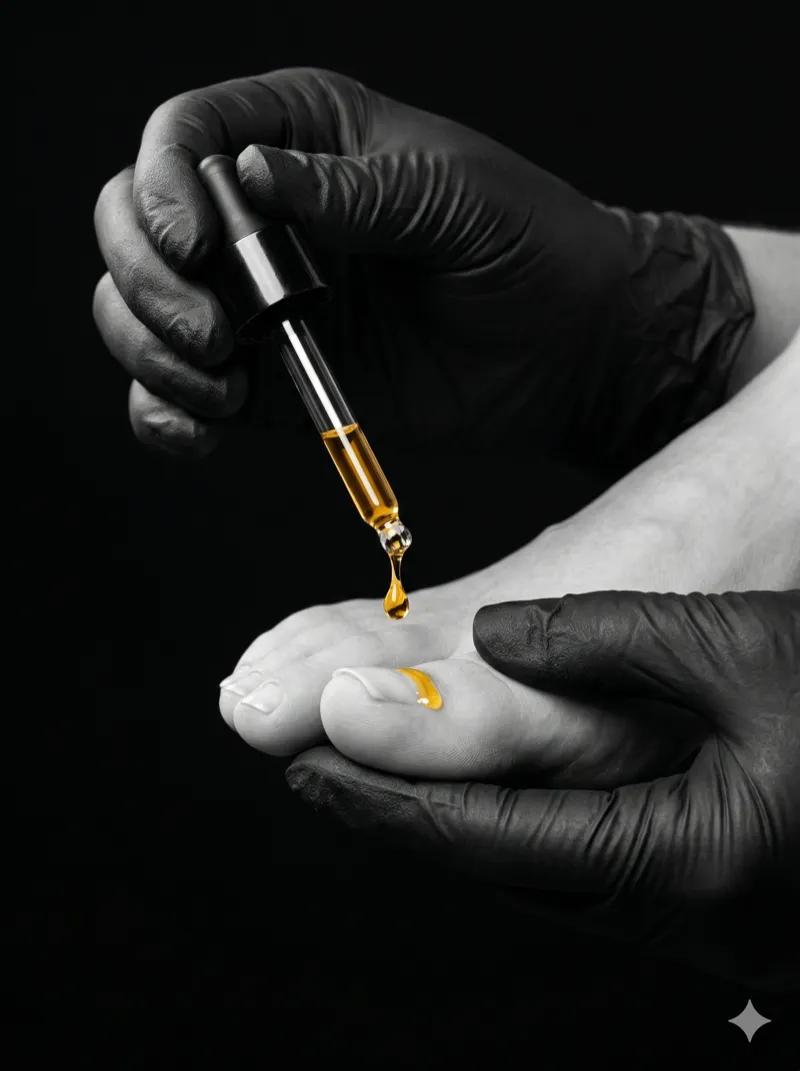
Signs of foot fungus, when to avoid a pedicure and how a professional salon prevents infections.
Itching between the toes, yellowing nails, flaking skin: 15-25% of adults live with a fungal infection on their feet. The question: pedicure or not? It depends on the type, severity and whether there is a diagnosis.
Athlete's foot vs onychomycosis
Athlete's foot (tinea pedis): a fungal skin infection caused by dermatophytes. Found between toes (4th-5th), on the sole. Flaking, redness, cracks, itching. Highly contagious on damp surfaces.
Onychomycosis: infection of the nail. Yellowish, thickened, brittle. Slow progression: months. Treatment 3-12 months. Yellow/thick toenails.
Signs table
| Sign | Likely cause | Pedicure? |
|---|---|---|
| Mild flaking between toes | Dryness or early tinea | Yes with caution |
| White/yellow nail spot | Early onychomycosis | Yes if diagnosed + under treatment |
| Intense itching + maceration | Active athlete's foot | Wait until it subsides |
| Thick nail + odour | Advanced onychomycosis | Only with dermatologist approval |
| Pus, redness, heat | Bacterial infection | NO. See a doctor. |
When NOT to have a pedicure
- Undiagnosed active infection
- Pus, discharge, strong odour
- Open fissures or bleeding
- Acute pain on contact
If diabetic: pedicure for diabetics.
When it IS safe
- Confirmed diagnosis + active treatment under control
- Mild diagnosed onychomycosis
- Treatment completed, new nail growing through
- ALWAYS informing the salon
How a professional salon prevents infection
- Autoclave at 121°C / 15-20 min for metal instruments
- Single-use disposable materials (files, cuticle sticks, towels)
- Surface disinfection between clients
- Thorough drying between toes
- Visual inspection before starting
Daily prevention
- Flip-flops at swimming pools/changing rooms
- Dry thoroughly between toes
- Cotton socks, change after exercise
- Rotate footwear (24-48h ventilation)
- Do not share towels/footwear
- Cut nails straight across (prevent ingrown nails)
Common mistakes
- Self-medicating with vinegar/garlic without a diagnosis
- Scratching flaking skin (spreads spores)
- Nail polish over a fungal nail (seals in moisture)
- Stopping treatment when improvement appears
- Not disinfecting footwear
This does not replace assessment by a healthcare professional.
FAQ
Can I catch a fungal infection at the salon?
The risk is very low in a salon that uses an autoclave and disposable materials. Look for instruments in sealed packaging.
Should I tell my beauty therapist?
Yes, always. They will adapt the protocol and protect subsequent clients.
How long does onychomycosis take to clear?
3-6 months for visible improvement. 9-12 months for complete nail renewal.
Are athlete's foot and onychomycosis contagious?
Yes. Through contact with surfaces, shared footwear and towels.
Does gel polish cause fungal infections?
Not directly. However, poorly applied gel or leaving it on too long can create micro-spaces that trap moisture.
How can I tell the difference between fungus and a bruised nail?
A bruise: a dark mark that grows out with the nail. Fungus: a diffuse change that does not shift. If in doubt: request a mycological culture.