Nail fungus after a manicure: warning signs and prevention
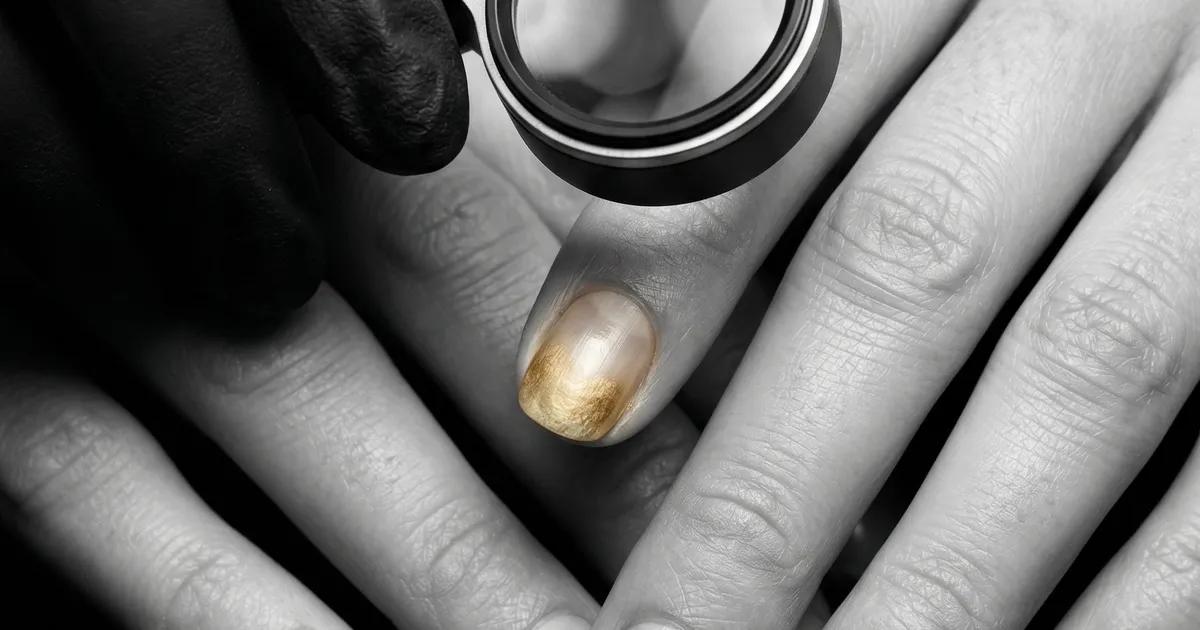
Onychomycosis is a fungal infection of the nail plate, caused mainly by dermatophytes such as *Trichophyton rubrum*.
Onychomycosis is a fungal infection of the nail plate, caused mainly by dermatophytes such as Trichophyton rubrum. In a nail salon, shared tools, leftover moisture and tiny nicks around the cuticle can create the right conditions for it to develop when strict hygiene protocols aren't followed. Below we explain the 7 most common warning signs, how infection can spread in the salon and the prevention measures that set a rigorous professional salon apart from one that isn't. If you're looking for a salon you can trust, see our manicures in Gandia and manicures in Ontinyent.
What onychomycosis is and why it can appear after a manicure
Onychomycosis is a nail infection caused by dermatophyte fungi, yeasts (Candida spp.) or non-dermatophyte moulds. The most common culprit on fingernails is Trichophyton rubrum, responsible for around 70-80% of diagnosed cases according to data published in the Journal of Dermatology. The infection gets into the nail plate through small abrasions or lifted cuticles, which act as a direct entry point into the keratin tissue.
With a manicure, the risk doesn't come from the polish itself but from the prep: files reused without sterilising, shared cuticle pushers or poorly disinfected work surfaces can harbour live spores for up to 72 hours at normal temperature and humidity. Onychomycosis affects 10% of the general population and up to 50% of people over 70, according to the Spanish Academy of Dermatology and Venereology (AEDV). Understanding how it spreads is the first step to preventing it effectively.
7 warning signs of nail fungus after a manicure
Spotting onychomycosis early makes treatment much more likely to succeed. Nail technicians are trained to recognise visible warning signs before starting any service, although only a dermatologist can confirm the diagnosis. The 7 most common signs that can appear after a manicure are:
- A change in colour of the nail plate to yellowish, whitish, greenish or brown
- Gradual thickening of the nail, which becomes hard to file normally
- Brittleness and chipping at the free edge, with a tendency to split into thin layers
- Onycholysis: the nail plate partly separating from the nail bed, visible as a whitish gap under the nail
- An unpleasant smell under the nail, especially noticeable when the polish is removed
- A misshapen nail plate: uneven surface, lengthwise ridges or wavy edges
- Pain or tenderness when pressing the nail bed, a sign of a more advanced infection
If two or more of these signs appear together, that is reason enough to stop the service and refer the client to a dermatologist.
Colour changes: yellow, green or brown nails
A change in colour is the earliest sign and the one that most often prompts people to see a specialist. A yellow or yellow-brown shade is typical of dermatophyte infections. Bright green (known as "green nail") usually points to a bacterial infection by Pseudomonas aeruginosa, which is different from onychomycosis but equally encouraged by moisture trapped under the polish.
Telling it apart from yellow nails caused by polish stains is fairly easy: polish staining disappears when the surface of the nail plate is gently buffed. With onychomycosis, the colour goes through the thickness of the nail and doesn't disappear with surface buffing. If the colour change remains after the polish has been completely removed, a medical check is essential before any further treatment.
Thickening, brittleness and the nail plate lifting
Thickening and onycholysis are a direct result of the fungus invading the layers of keratin. The nail plate loses its internal cohesion and starts to split into layers. Under gel or acrylic overlays, these signs can stay hidden for weeks, delaying diagnosis and making the outlook worse.
[Safe removal of gel and acrylic nails](/guia/retirado-unas-gel-uñas acrílicas en Gandía) lets us see the real condition of the natural nail plate. If onycholysis affects more than a third of the nail surface, the standard protocol is to stop any decorative treatment until a dermatologist has assessed it. Applying gel over a lifted nail plate makes the infection worse by creating a closed, damp, unventilated space that is ideal for fungal growth. Also available: acrylic nails in Ontinyent.
Unpleasant smell and pain in the nail bed
The typical smell under the nail comes from substances the fungus produces as it breaks down keratin. It is more noticeable on toenails, but can also appear on fingernails when the infection has gone untreated for several weeks.
Pain or tenderness when pressing the nail bed means the infection has reached deeper tissue. Together with redness around the nail (periungual erythema), this sign needs prompt medical attention and rules out applying any kind of polish or extensions.
Main causes of fungal infection in nail salons
Fungal infections linked to nail salons have several causes. In practice, the three most common routes of infection are tools that aren't sterilised between clients, tiny injuries to the cuticle or nail fold during prep, and the damp environment created under polish when the nail isn't completely dry before further layers are applied.
Single-use cardboard files, disposable foot files and autoclave sterilisation of reusable metal tools (tweezers, pushers, cuticle nippers) are essential to break the chain of transmission. Abrasive tools reused without sterilisation are the most common risk factor in salons with no documented protocol, whatever the quality of the polish used.
Individual factors also play a big part: people with diabetes, a weakened immune system or excessive sweating (hyperhidrosis) are more susceptible to onychomycosis. Clients with weak, thin nails after gel removal are also more exposed, as the thinner nail plate offers less resistance to spores. A short health questionnaire before the appointment is part of a rigorous professional manicure.
How to prevent nail fungus at every salon visit
Preventing onychomycosis means following systematic measures, both in the salon and on your side, that reduce exposure to dermatophytes before, during and after each appointment. The preventive protocol has three stages to follow at every visit.
Before your appointment: come with clean nails and no old polish (or let the salon know so they can allow extra time for removal), avoid cutting your cuticles at home in the days before (any tiny cut is a direct entry point) and tell the salon about any change in colour, unusual brittleness or history of nail fungus.
During the appointment: check that the salon uses single-use abrasives and sterilised metal tools. Don't agree to gel and polygel nails being applied over active onycholysis. Make sure each layer is completely dry before the next is applied, especially with extensions or builder gels.
After your appointment: avoid long contact with water for the first 2 hours after your manicure. Apply cuticle oil every day to keep the skin around the nail intact. Check your nails each time you change your polish and whenever you notice anything unusual. Careful natural nail care between appointments significantly reduces the risk of fungal infection.
Our professional hygiene protocol at Adrian Beauty Studio
Professional beauty salons follow a structured hygiene protocol to minimise the risk of cross-infection between clients. Standard practice in the industry includes single-use abrasives (files, foot files, buffers) for each client; autoclave sterilisation of reusable metal tools such as tweezers, pushers and cuticle nippers; disinfecting work surfaces with virucidal solutions between appointments; and wearing gloves when applying chemical products.
Adrian Beauty Studio, at both our Gandia salon and our Ontinyent salon, builds these measures into every appointment. Health inspection reports from Spain's regional authorities show that salons with auditable hygiene protocols have a significantly lower risk of fungal infection than those with no set procedure. Being open when clients ask about hygiene is itself a sign of quality: a salon with solid protocols can tell you clearly which tools are disposable and which sterilisation system it uses for each appointment.
When to see a dermatologist about nail fungus
A nail salon can help spot problems early, but it cannot diagnose or treat them. You should see a dermatologist if one or more of the following apply:
- Two or more nails affected at the same time
- Signs of fungus on the toenails as well as on the fingernails
- Persistent pain or redness around the nail that hasn't eased 48-72 hours after stopping polish
- Diabetes, autoimmune conditions or immunosuppressant treatment, because of the higher risk of the infection spreading
- No improvement after 4 weeks of over-the-counter topical antifungal treatment
A fingernail takes 4 to 6 months to grow out completely, and a toenail can take more than 12 months: this is why treatment takes so long, as healthy nail has to replace the infected area entirely. Oral antifungals, when needed, have cure rates of 76-81% in clinical trials published in the Journal of the American Academy of Dermatology (JAAD), but they require medical supervision because of possible drug interactions. Without a full course of treatment, onychomycosis comes back in more than 50% of cases, so it is vital not to stop treatment early.
Nail fungus after a manicure: frequently asked questions
How can I tell if I have nail fungus after a manicure?
The first signs of onychomycosis usually appear 1 to 4 weeks after exposure, as a change in colour (yellow, white, green or brown), gradual thickening or the nail plate partly lifting from the nail bed. If you notice these signs after a manicure, it is a good idea to remove the polish and check your natural nail before your next appointment. A diagnosis can only be confirmed with a fungal culture or nail scraping, tests carried out only by a dermatologist or a specialist podiatrist. A beauty salon can spot visual warning signs, but it is not in a position to diagnose or treat a fungal infection.
Can I have gel nails if I have nail fungus?
We don't recommend gel, acrylic or any artificial overlay on a nail showing signs of active onychomycosis. The overlay creates a closed, damp, unventilated environment that speeds up fungal growth and makes topical antifungal treatment less effective. What we've seen at Adrian Beauty Studio shows that clients who apply gel over active onycholysis take significantly longer to recover. Professional protocol is to postpone any decorative manicure until a dermatologist confirms the infection has cleared. For nails with previous structural damage, our article on acrylic nail problems and prevention covers alternative options during recovery.
How long does nail fungus take to clear up?
Healing time depends on how badly the nail is affected and on the treatment used. With topical antifungals used consistently, visible improvement on fingernails can take 3 to 6 months, as new nail has to grow to replace the infected area. Oral treatments prescribed by a dermatologist speed things up, but a complete cure rarely happens in less than 6 months on the hands or 12 months on the feet. Sticking with the treatment is crucial: stopping as soon as you see the first improvement is the most common reason the infection comes back, and when it does, the fungus is often more resistant to the previous treatment.
Can gel polish cause nail fungus?
Gel polish doesn't directly cause onychomycosis, but it can help create the conditions that encourage it if it is applied incorrectly. The tight seal the polish forms over the nail plate traps moisture when the nail isn't completely dry at the time of application, or when there is undetected onycholysis. People with sensitivity to gel polish or a history of reactions around the nail fold are at greater risk, because local inflammation weakens the skin barrier. Applied professionally on a healthy, well-prepared nail in a salon with sterilised tools, gel polish is not a significant risk factor for onychomycosis. You can book gel polish in Gandia or gel polish in Ontinyent with complete peace of mind.
Is nail fungus contagious at the salon?
Yes, onychomycosis is contagious. Dermatophytes spread through direct contact with infected skin or nails and through indirect contact with contaminated surfaces or tools. In a nail salon, the most common route is files, buffers and cuticle pushers reused between clients without sterilisation. A client with active onychomycosis can contaminate the work surface, and if it isn't properly disinfected before the next appointment, live spores remain there to be picked up. The risk falls to practically zero when the salon uses single-use abrasives and certified autoclave sterilisation for metal tools.
How can I check that a nail salon meets hygiene standards?
Before your appointment, look at whether the salon uses new files and abrasives for each client, whether metal tools come out of sealed sterilisation pouches with a colour indicator, and whether the work surface is disinfected between clients. A visible autoclave in the work area is a clear sign of a documented protocol. A salon that can't answer these questions when asked directly doesn't meet the minimum standards of a professional beauty salon. Our article on how to choose a beauty salon you can trust lists the key points to check before booking at any salon.
A safe manicure starts with the right salon. At Adrian Beauty Studio, in both Gandia and Ontinyent, our tools are either single-use or sterilised before every appointment, and our team is trained to spot any warning sign before starting your treatment. Book with complete peace of mind.
Quick reference: types of manicure
| Type | Lasts | Appointment | Adds length? |
|---|---|---|---|
| Gel polish | 2-4 wks | 45-60 min | No |
| Semigel | 3-4 wks | 50-65 min | No |
| Gel/Polygel | 3-4 wks | 75-100 min | Yes |
| Acrylics | 3-5 wks | 80-110 min | Yes |
| OPI | 5-7 days | 30-40 min | No |