Pedicure in Gandia and Ontinyent: Types, Techniques and Complete Care
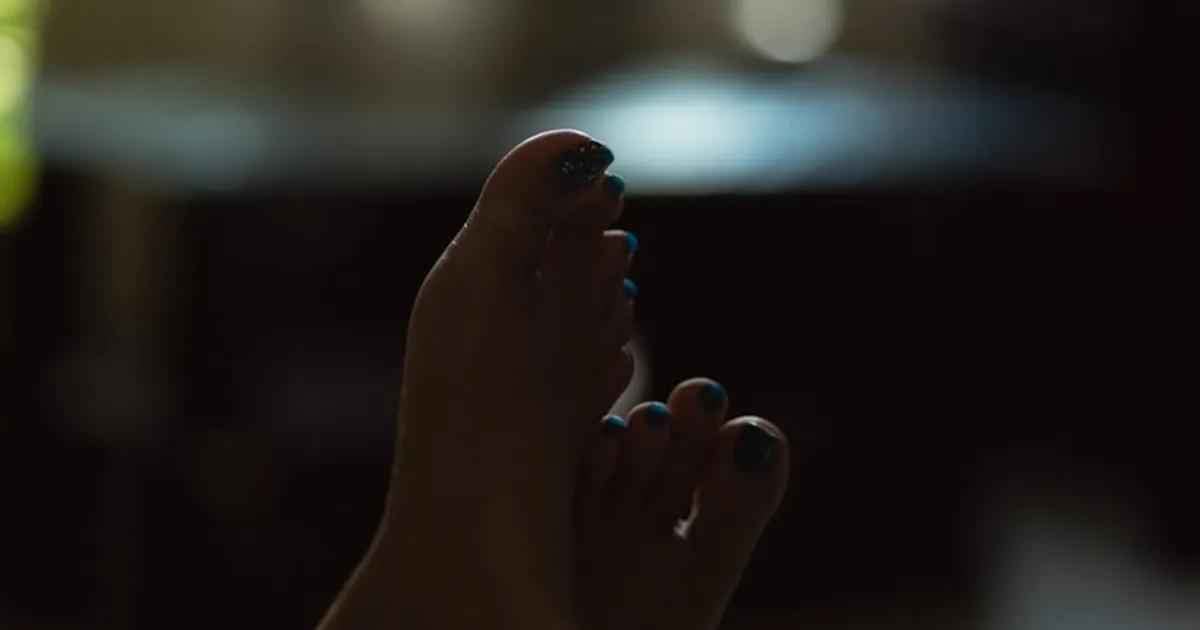
A professional pedicure goes far beyond painting the toenails. It involves preparing, treating and beautifying both the nail and the surrounding skin with specific techniques that make the difference between a result that lasts days and one that holds for weeks.
A professional pedicure goes far beyond painting the toenails. It involves preparing, treating and beautifying both the nail and the surrounding skin with specific techniques that make the difference between a result that lasts days and one that holds for weeks. If you are looking for a pedicure in Gandia or in Ontinyent, this guide explains the types available, which one suits your lifestyle and how to care for the results at home.
What is a professional pedicure?
A professional pedicure is the set of care, treatment and beautification techniques for the toenails and foot skin carried out in the salon by a trained aesthetician. It is not limited to applying polish: it includes the removal of hard skin and calluses, nail trimming and filing, cuticle care and moisturising the area.
The goal is twofold: aesthetic (uniform nails, long-lasting colour, a polished appearance) and health-related (prevention of ingrown toenails, callus management, early detection of skin changes on the foot).
Differences between a basic pedicure and a full pedicure
A basic pedicure covers nail filing, trimming, cuticle pushing and application of traditional polish. A full pedicure adds exfoliation of the sole, removal of calluses with an electric file or pumice stone, a foot soak and may include a moisturising massage.
In professional settings, even the simplest version follows a strict hygiene protocol: sterilised instruments, single-use towels and dermatologically suitable products. That is what sets a salon treatment apart from a home result.
Pedicure types compared
| Type | Includes | Duration | Price from | Ideal for |
|---|---|---|---|---|
| Classic (dry) | Filing, cuticles, moisturising | 30–40 min | €12 | Basic maintenance |
| Spa (with water) | Soak, exfoliation, massage, polish | 45–60 min | €20 | Tired feet, relaxation |
| Semi-permanent | Pedicure + Shellac polish | 50–60 min | €20 | 3–4 week durability |
| French | Pedicure + white tip finish | 50–60 min | €15 | Events, elegant look |
| Medical | Calluses, ingrown nails | 40–60 min | €35–50 | Podiatric issues |
Pedicure Types Available in Gandia and Ontinyent
Choosing the right pedicure type depends on how long you want the colour to last, what activity you have planned (pool, beach, sport) and the current condition of your nails.
Gel pedicure: durability and finish
Nail gel polymerises under a UV/LED lamp, forming a hard layer that protects the nail and keeps the colour intact. On the feet it holds up especially well because toenails grow more slowly and experience less mechanical impact than fingernails.
Typical duration: 3 to 5 weeks with good aftercare. A gel pedicure in Gandia is one of the most popular options in summer, as it resists sea water and swimming pools without peeling.
Shellac pedicure: shine and resistance
Shellac is a brand (CND) that defines a category: a hybrid formulation between polish and gel that cures under an LED lamp in seconds. The finish is glossy, flexible and thinner than traditional gel, making it comfortable even on thin nails.
A Shellac pedicure in Gandia offers between 2 and 4 weeks of wear. Removal is straightforward with specific acetone, without the need to file the surface, which better preserves the integrity of the nail.
French pedicure: classic and versatile
The French style maintains a white tip over a natural or pink base. On the feet, this finish works especially well in summer with sandals or for formal occasions where a discreet, elegant result is desired.
It can be done with traditional polish, semi-permanent or gel, which radically changes its durability. A French pedicure in Gandia is particularly popular during wedding season and summer events in the La Safor area.
Spa pedicure: relaxation and treatment
A spa pedicure combines cosmetic treatment with a sensory experience: a foot soak with salts or oils, body exfoliation on calves and feet, a moisturising wrap and a foot and calf massage. The relaxation element is an essential part of the service.
It is ideal for those who arrive with tired feet, pronounced hard skin or simply want to switch off. It is not the quickest option, but it is the most comprehensive in terms of wellbeing.
Semi-permanent pedicure: a practical alternative
Semi-permanent polish (also called "rubber base" or long-lasting polish) occupies a middle ground: it cures with a lamp, but its formulation is softer than gel. It is very comfortable on thin or damaged nails because it places less tension on the nail plate.
Its duration on the feet is 2 to 3 weeks under normal conditions. To see the full options for our professional pedicure, including the different finishes available, check the service page.
Techniques and Application Process
Nail preparation
This is the most important and most underrated phase. It involves cleaning the nail bed, trimming the nail to the correct shape (straight on the feet, to prevent ingrown nails), filing the edges, pushing back the cuticles and, if necessary, removing previous polish with non-acetone or diluted acetone remover.
If you arrive at the salon with old polish or previous gel that has not been removed, let us know when booking the appointment. Prior removal may require additional time and, in some salons, carries a separate charge.
Product application
A base coat is applied (essential for preventing yellow staining of the nail and improving adhesion), followed by one or two colour coats and, depending on the type of pedicure, a sealing coat. Each layer is cured under the lamp if the product requires it. Curing times range from 30 to 60 seconds per coat with current LED lamps.
Finishing and sealing
The top coat completes the job: it adds shine, protects the colour and, in the case of specific products, adds flexibility so the polish does not chip. With some gel types, the inhibition layer is removed with isopropyl alcohol to achieve the final glossy finish.
Aftercare Following Your Pedicure
First 24–48 hours
- Avoid hot water for the first 12 hours (jacuzzi, long bath). A normal shower is fine straight away with gel or Shellac.
- Do not use acetone or harsh solvents on the area for at least 48 hours.
- Avoid very tight footwear or shoes that press on the freshly treated nails.
- If traditional polish was used, wait at least 2 hours before putting on socks or closed-toe shoes.
Long-term maintenance
Moisturise your feet every evening, especially the soles and heels. A 10–20% urea cream is effective for keeping the skin soft and preventing the return of calluses between appointments. Avoid picking or biting the cuticles; if you notice dry skin around them, apply cuticle oil.
For gel or Shellac: if you see it starting to lift at an edge, do not peel it off. Partial lifting can take a layer of nail plate with it and damage the nail bed. Visit the salon for a repair or controlled removal.
Recommended products
In general, a professional salon will use products from brands such as CND, OPI, Nail Harmony (Gelish) or similar. For home maintenance, cuticle oil (jojoba or vitamin E), urea-based foot cream and, if you use traditional polish, a reinforcing top coat that you can apply every 2–3 days to extend the life of the colour are all useful.
Pedicure for Men: Types and Benefits
Men's pedicures have gone from being the exception to a routine service in beauty salons. Demand has grown especially in coastal areas such as Gandia, where summer means sandals, flip-flops and pools.
Most men opt for a pedicure without polish (or with a neutral top coat): filing, trimming, callus removal and moisturising. The result is well-groomed feet without a polished look. Those who prefer some colour tend to choose very dark shades (black, burgundy) or a natural finish with a touch of shine.
The benefits are not just aesthetic. Correct trimming of the toenails prevents ingrown nails, which are very common in men who wear tight sports shoes. Callus removal improves walking comfort and the health of the sole.
For more details on this service, see our men's pedicure guide for Gandia and Ontinyent.
Pedicure in Summer vs Winter
Summer is peak pedicure season, especially in areas like the La Safor region: sunshine, the beaches of Gandia, swimming pools and open-toed shoes put feet front and centre. During this time, durability (gel, Shellac) and bold colours or the classic French are prioritised.
In winter the frequency tends to drop, but care becomes equally important: closed-toe shoes encourage perspiration, the skin dries out with heating and hard skin builds up more quickly. A maintenance pedicure every 4–6 weeks in winter prevents you from arriving in spring with neglected feet.
In Ontinyent and the Vall d'Albaida, where winter is cooler than on the coast, many clients maintain their pedicure routine all year round precisely for this reason: it is easier to maintain than to recover.
Frequently Asked Questions About Pedicures
How long does a gel pedicure last?
On the feet, a gel pedicure lasts between 3 and 5 weeks depending on nail growth, aftercare and the person's activity level. Toenails grow more slowly than fingernails, so gel stays in perfect condition for longer. Factors such as tight footwear, frequent contact with hot water or lack of moisturising can shorten that timeframe. Home maintenance (cuticle oil, avoiding lifting edges) considerably extends the result.
What is the difference between a pedicure and a manicure?
A manicure treats the fingernails and a pedicure treats the toenails, but the differences go beyond the anatomical area. Toenails are thicker, grow more slowly and are subjected to mechanical pressure (footwear, impact from walking), which requires different trimming and filing techniques. In addition, a pedicure typically includes foot skin care (heels, soles, toes) that does not exist in a standard manicure. If you are also interested in hand care, you can see all the options in our guide on acrylic nails and other manicure services.
Is a pedicure safe for people with fungal infections?
It depends on the condition and type of infection. In the presence of active onychomycosis (nail fungus), most professional salons will not apply gel or polish over the affected nail, as the product seals the area and can worsen the condition. The recommendation is to consult a podiatrist or dermatologist first for appropriate antifungal treatment. Once the infection is under control, pedicures can be resumed as normal. If you have any doubts about the condition of your nails, always consult a healthcare professional before the appointment.
How often should I have a pedicure?
With traditional polish, every 2–3 weeks. With gel or Shellac, every 3–5 weeks depending on nail growth. A maintenance pedicure without polish (nail and skin care only) can be done every 4–6 weeks throughout the year. In summer, many people shorten the interval due to greater wear and continuous exposure. Ideally, do not wait until the polish is very deteriorated, as removing a heavily lifted product can damage the nail.
Can I have a pedicure if I am pregnant?
Generally, yes, with a few precautions. Basic care (filing, trimming, moisturising) is perfectly compatible with pregnancy. For polish, many salons and professionals recommend avoiding gel or semi-permanent products during the first trimester and opting for polishes free of the so-called "Big 3" (toluene, formaldehyde, DBP). The foot massage included in a spa pedicure should avoid certain reflexology points that can stimulate contractions: always inform the aesthetician of your condition. Also consult your obstetrician if you have any risk factors.
How can I avoid infections from a pedicure?
The key lies in instrument hygiene. In a professional salon, metal tools (nippers, pushers) are sterilised in an autoclave between each client. Disposable items (files, wooden sticks, towels) are used once only. As a client, you can bring your own files if you prefer. Avoid having a pedicure if you have open wounds, cracked heels with bleeding or active inflammation on the feet: wait until they have healed. And if you notice any reaction (redness, itching, swelling) in the days afterwards, consult a professional.
Which type of pedicure lasts the longest?
Gel polymerised under a lamp offers the greatest durability on the feet: between 3 and 5 weeks with proper nail preparation and aftercare. Shellac and semi-permanent follow in resistance (2–4 weeks). Traditional polish is the least durable (1–2 weeks on feet) but also the easiest to remove at home. For one-off events with a fixed date, gel is the safest option in terms of endurance.
What is the best pedicure for summer?
For summer, a gel or Shellac pedicure is the most practical: they resist sea water, pool water and sand better than traditional polish, which tends to peel with continuous exposure. In terms of colour, coral, red, white and the classic French are the most popular along the coast of La Safor during July and August. If you spend long hours in the water, prioritise proper nail preparation (the base is as important as the colour product) to maximise adhesion.
Pedicure at Adrian Beauty Studio: Gandia and Ontinyent
Adrian Beauty Studio in Gandia offers all the pedicure types mentioned in this guide, with professional products and strict hygiene protocols. If you are in the La Safor area or nearby towns such as Oliva, the Gandia salon is your nearest option.
If you are further inland in the Valencia region, Adrian Beauty Studio in Ontinyent serves clients from across the Vall d'Albaida area with the same standard of service. Check availability and current options directly on the professional pedicure service page.
Beyond foot care, if you want to complete your beauty routine, both salons also offer manicure services, facial treatments and professional waxing in Gandia. For specific aftercare for your pedicure, also see our complete post-pedicure care guide.
Industry data and studies
- According to the Spanish Society of Podiatry (2024), 68% of ingrown toenail problems could be prevented with a professional pedicure every 4–6 weeks.
- A report by the International Spa Association (ISPA) 2025 notes that 54% of regular clients consider the pedicure a health service, not just a cosmetic one.
- Data from the Foot Health Survey 2024 reveal that 77% of adults have experienced a foot problem, but only 29% seek regular preventive care.
Book your pedicure in Ontinyent or in Gandia.
Quick reference: pedicure
| Option | Includes | Duration |
|---|---|---|
| Base | Trim, filing, cuticles | 35–50 min |
| With soak | Base + foot bath | 50–65 min |
| With polish | Base + Shellac/OPI | 55–70 min |