Semigel: now our maintenance gel on your natural nails
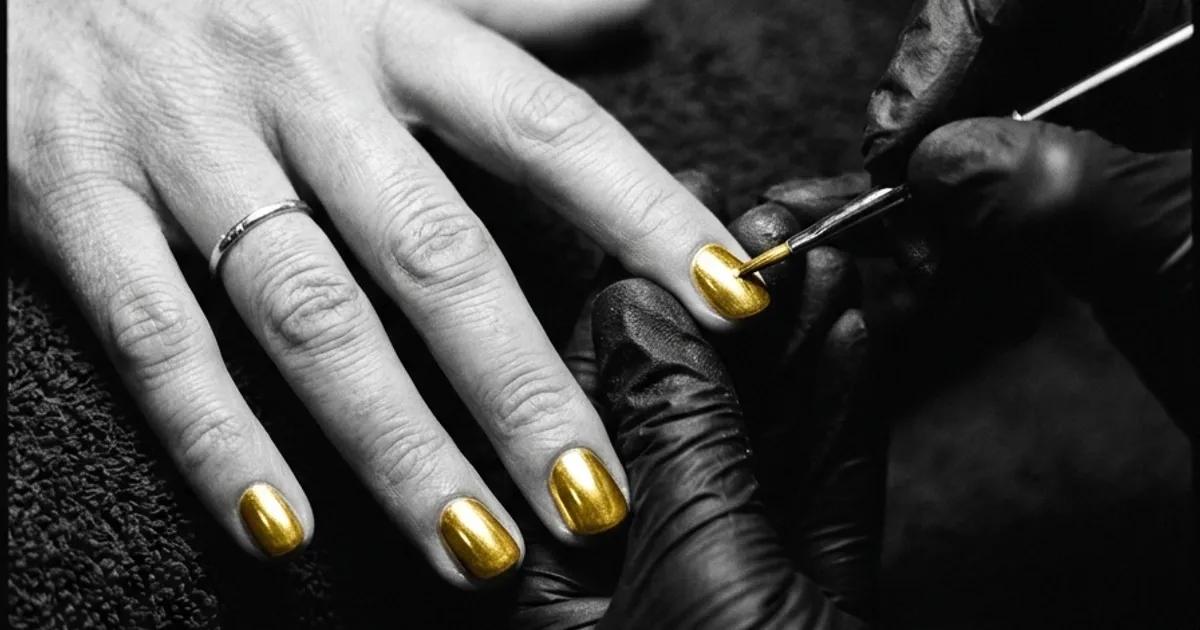
Semigel combines the strength of gel with the lightness of gel polish, protecting your natural nail instead of weakening it. Today you book it as short gel nails with no extension: 30 € and 55 minutes.
A note on the name (October 2026). What this guide calls "semigel" now appears on our menu as maintenance gel on the natural nail: the same product and the same technique as always, booked as gel nails, short length, maintenance (no extension) — 30 € and 55 minutes. It isn't a separate service, and we've kept the name "semigel" here because it's what our clients have always asked for.
Semigel — now our maintenance gel on the natural nail — combines the strength of gel with the flexibility of gel polish, protecting your natural nail instead of weakening it. If you want a long-lasting manicure that doesn't come at the expense of healthy nails, you'll find everything you need to know here: what it's made of, how it's applied, how it compares with other systems, aftercare and the latest trends.
What is semigel and how does it work?
What semigel is made of
Semigel is a hybrid product that sits somewhere between standard gel polish and builder gel. Its formula combines methacrylate oligomers (which handle adhesion) with flexible resins that allow a little movement without cracking. Unlike hard gel, it contains no harsh monomers that could penetrate the deeper layers of the nail plate.
It's applied in thin layers and cured under an LED lamp (usually 30 to 60 seconds per layer). The result is a semi-rigid surface that strengthens the nail without building up a layer as thick as traditional gel.
The key difference from gel, acrylic and polygel
It all comes down to thickness and rigidity. Acrylic nails are built from powder and liquid monomer, creating a rigid structure over the nail. Builder gel also adds considerable volume. Semigel, on the other hand, goes on in much thinner layers — similar to gel polish — but with more mechanical strength.
That means there's no need to file the nail surface aggressively to get it to stick, which greatly reduces wear and tear each time it's applied.
Why semigel is kind to your natural nails
It keeps the nail's natural structure intact
The prep filing for semigel is very light: we only remove the shine from the nail plate, without thinning it. That's a big difference compared with gel or acrylic systems, where filing tends to go deeper to make sure the product adheres.
Removal is done by soaking with acetone-soaked cotton wraps (the soak-off method), with no need to e-file the surface. This protects the top layers of keratin that shield the nail.
Lasting strength without weakening the nail
A properly applied semigel manicure lasts 2 to 3 weeks without lifting or peeling. That's plenty for most clients who want a sensible maintenance manicure without moving on to heavier systems.
Semigel stands up well to everyday life — cleaning, cooking, typing — without chipping. If your job involves a lot of contact with water or cleaning products, wearing gloves makes it last noticeably longer.
Easy upkeep at home
Between appointments, aftercare is simple: nourish your cuticles with oil (jojoba or sweet almond), avoid using your nails as tools and use hand cream often. You don't need any special products or in-between treatments.
Step by step: how semigel is applied
The whole process at the salon takes around 50-60 minutes, depending on the condition of your nails and the design you choose.
Prepping and filing the nail
- Any old polish is removed with acetone or a gentle e-file. If you're coming in with polish from another brand or system, let us know when you book so we can allow a few extra minutes.
- Cuticles are pushed back with a stainless-steel pusher and any excess skin is trimmed with cuticle nippers.
- The nail is filed to your chosen shape (almond, square, squoval…) and a soft buffer block takes off the surface shine without thinning the nail.
- Dust is brushed away, then a dehydrator and an acid-free primer go on to maximise adhesion.
Base and colour coats
- A thin layer of semigel base is applied and cured under the LED lamp for 30-60 seconds.
- Two coats of colour go on, curing between each one. Pale or pastel shades sometimes need a third coat for even coverage.
- If your design includes decoration (foil, stamping, cat-eye effect), it's done on the last colour coat before sealing.
Sealing and final cure
- The top coat (glossy or matte, as you prefer) is applied and cured one last time.
- The sticky layer is wiped off with cleanser.
- A touch of cuticle oil to finish.
The result is a smooth, glossy, resilient finish that feels natural to the touch — without the weight or thickness you notice with gel or acrylic.
Semigel vs gel vs acrylic vs polygel: a comparison
For a closer look at the differences between extension systems, see our comparison guide to acrylic, gel and polygel.
| Feature | Semigel | Builder gel | Acrylic | Polygel |
|---|---|---|---|---|
| Average wear | 2-3 weeks | 3-4 weeks | 3-5 weeks | 3-4 weeks |
| Layer thickness | Thin (similar to polish) | Medium to thick | Thick | Medium |
| Flexibility | High | Low to medium | Very low | Medium |
| Impact on the natural nail | Minimal | Moderate | High | Moderate |
| Prep filing | Light (shine only) | Moderate | Heavy | Moderate |
| Removal | Soak-off | E-file + soak | E-file or long soak | E-file + soak |
| Adds length | No (strengthening only) | Yes | Yes | Yes |
| Best for | Strong natural nails | Medium extensions | Long extensions | Extensions with control |
Key point: if your goal is to keep your natural nails healthy while enjoying long-lasting colour and a bit more strength than gel polish, semigel is the gentlest choice. If you want extra length, you'll need gel, acrylic or polygel.
Essential aftercare for semigel
The first 24 hours
- Avoid soaking your hands in hot water for at least 2 hours. Heat can make the nail plate expand and weaken the bond of freshly cured product.
- Don't put rich creams or oils directly on the polished surface for the first few hours.
- Avoid sharp knocks or using your nails to open packaging or scrape hard surfaces.
Your daily routine
- Cuticle oil: apply it every night before bed. Keeping the surrounding skin moisturised prevents snags that could lift the product.
- Gloves for cleaning: long contact with soapy water, bleach or degreasers is the number one cause of early lifting.
- Hand cream with SPF: in summer, UV filters stop pale shades from yellowing.
Recommended products and habits
Jojoba oil works well because it absorbs quickly. Cuticle formulas with vitamin E are also good. The key is doing it regularly: well-hydrated nails mean semigel that lasts longer.
Avoid metal files if you need to tidy the shape between visits; always go for a glass file or a fine-grit one (180-240).
Common semigel problems and how to fix them
Early lifting: causes and prevention
The most common cause is poor prep of the nail plate. If natural oils are left behind or the cuticle wasn't properly cleaned away, the product won't bond properly. That's exactly why we use a dehydrator and primer at the salon.
Other common causes: too much contact with water, medication that affects the nail (contraceptive pills, antibiotics) or hormonal changes. If you keep getting lifting, mention it at your next appointment so we can adjust how it's applied.
For more targeted solutions to adhesion problems, semigel shares many of the same fixes as standard gel polish.
Discolouration and changes in shade
Whites and pastels are more prone to yellowing, especially with strong sun or contact with fake tan, turmeric or hair dye. A top coat with a UV filter helps prevent this.
Dark shades (burgundy, black, navy) are much more colour-stable and barely change over the weeks you wear them.
Weak natural nails under semigel
If your nails feel thinner or more brittle after semigel comes off, it's most likely down to incorrect removal. Scraping or forcing it off pulls away layers of keratin along with the product. Soaking in acetone (10-15 minutes with cotton wraps) and gently easing it off with a wooden pusher is the only safe method.
After removal, using a hardening base for 2-3 weeks helps your nails get their natural strength back.
Semigel design and colour trends for 2026
Trending shades
This year is all about warm neutrals: rosy nude, caramel, toffee brown and creamy beige. Cherry and raspberry shades are also on the rise, adding colour without being loud.
If you fancy something bolder, sage green and slate blue are stepping up as sophisticated alternatives that work on both hands and feet.
Minimalist vs decorative designs
Line art (fine geometric or abstract lines on a nude base) is still one of the most requested designs for semigel manicures. So are French tips with ultra-fine lines in unexpected colours: brown, burgundy or gold.
At the other end of the scale, maximalist designs with stones, metal charms and 3D details still have their fans, especially for special occasions like weddings and events.
Special effects (ombré, glitter, textures)
Vertical ombré (fading from one shade to another along the length of the nail) is the fresh alternative to the classic horizontal baby boomer. We also do velvet finishes, aurora (subtle holographic shimmer) and magnetic cat-eye in earthy tones.
All these effects work with semigel, although some need specific products that your nail technician will apply during your appointment.
Semigel FAQs
Can semigel damage my natural nails?
Applied and removed professionally, semigel doesn't damage your natural nail. The prep filing is very light and doesn't thin the nail plate. The risk comes when it's removed incorrectly — by peeling or scraping the product off — or when layers are too thick and create tension as the nail grows. If you give your nails a week off every 3-4 months and keep them moisturised daily, they'll stay perfectly healthy. At our salons in Gandia and Ontinyent we check every nail before the appointment so we can tailor the process.
How long does semigel last between appointments?
Semigel nails last 2 to 3 weeks on average, depending on how fast your nails grow, your lifestyle and your aftercare. If your nails grow quickly, you might notice a gap at the base from the second week. Wearing gloves for housework and oiling your cuticles every day are the two things that make the biggest difference to how long it lasts. Unlike gel or acrylic systems, semigel doesn't need infills: it's removed completely and reapplied at each appointment.
How do I remove semigel safely?
Semigel is removed by soaking (soak-off). Cotton soaked in pure acetone is placed on each nail and wrapped in foil or special plastic clips. After 10-15 minutes the product softens and is gently eased off with a wooden or orange-wood pusher. Never scrape it or use metal tools to force it off. If any product is left, more acetone is applied rather than filing. For more detail, see our guide to safe nail removal.
Is semigel a good idea for weak nails?
Yes — in fact it's one of the best options for thin nails or nails that break easily. The semigel layer acts as a protective shield, adding strength without the weight or rigidity of gel or acrylic. That flexibility is key: a rigid layer on a weak nail can cause breaks, while semigel moves with the nail. If your nails are particularly damaged (from harsh removals in the past, for example), a professional salon will usually start with a 2-3 week repair treatment using a strengthening base before applying semigel.
Can I have semigel at any time of year?
Absolutely. Semigel works just as well in summer as in winter. In summer, swimming pools (chlorine) and the sea (salt) can shorten wear slightly, so we recommend an extra-protective top coat and rinsing your hands in fresh water after a swim. In winter, the cold dries out cuticles more, so it's worth stepping up the oil and hand cream. There's no seasonal reason not to wear semigel.
Do I need a touch-up every month?
There's no fixed interval you have to stick to. Most clients book every 2-3 weeks, when nail growth leaves the base visible. If you'd rather leave longer between visits, you can remove semigel at home using the soak-off method and go bare until your next appointment, although ideally it should be done at the salon for a clean, damage-free removal. How often you come in depends on your personal preference and how fast your nails grow.
How to book it at Adrian Beauty Studio today
Semigel stopped being a service with its own name in October 2026, but the work is exactly the same: book gel nails, choosing Short length and Maintenance (no extension) — 30 € and 55 minutes. If you'd rather ask for it the way you always have, go ahead: at the salon and on WhatsApp we understand "semigel" and we'll book that combination for you, no questions asked.
Semigel at Adrian Beauty Studio: Gandia and Ontinyent
If you're looking for a semigel manicure in Gandia or Ontinyent, at Adrian Beauty Studio we use this system with top-quality products and a process that puts the health of your natural nail first at every step.
You'll find all the details about our maintenance gel on the natural nail, including design options and appointment availability. Adrian Beauty Studio is your trusted beauty salon in la Safor and la Vall d'Albaida for beautiful nails that stay healthy.
Book at our Gandia salon or our Ontinyent salon and find out why more and more clients choose semigel as their favourite system.
Quick reference: types of manicure
| Type | Lasts | Appointment | Adds length? |
|---|---|---|---|
| Gel polish | 2-4 wks | 45-60 min | No |
| Gel, no extension (formerly “semigel”) | 3-4 wks | 55 min | No |
| Gel/Polygel | 3-4 wks | 75-100 min | Yes |
| Acrylic | 3-5 wks | 80-110 min | Yes |
| OPI | 5-7 days | 30-40 min | No |