Cejas Sobre-Depiladas: Cómo Recuperarlas y Cuánto Tarda en Crecer el Vello
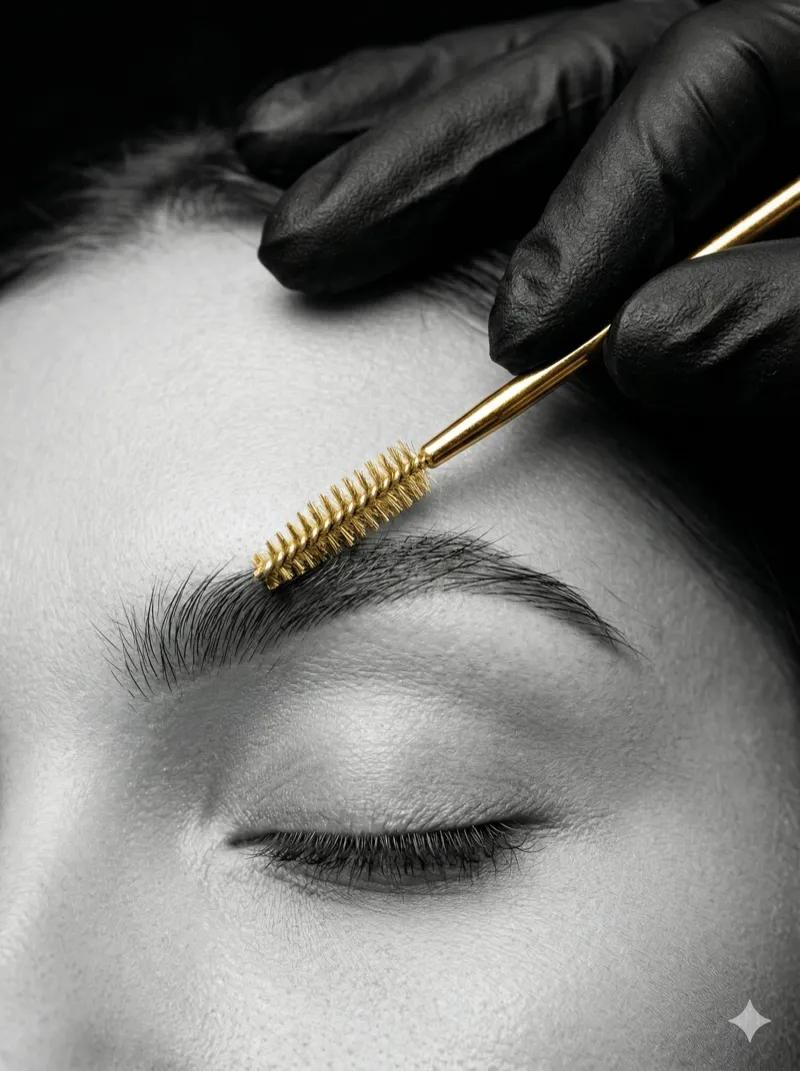
Guía para recuperar cejas sobre-depiladas: ciclo capilar, plan paso a paso y trucos para la fase de transición.
Por qué ocurre la sobre-depilación: de los 90 a los 2000
Entre 1995 y 2005, el 80% de las tendencias de belleza en Europa y América promovían cejas ultrafinas, una moda que dejó a millones de personas con folículos dañados 20-30 años después. Comprender el origen del problema ayuda a establecer expectativas realistas de recuperación.
La sobre-depilación se produce cuando se extraen vellos repetidamente del mismo folículo durante meses o años. Cada extracción daña la papila dérmica (la estructura que alimenta la raíz) y con el tiempo el folículo entra en estado de latencia o muere definitivamente. Los vellos que se depilaron cada 2-3 semanas durante más de 3 años tienen un 40-50% de probabilidad de no volver a crecer.
Además de la moda, otras causas incluyen: tricotilomanía (arrancado compulsivo), técnica incorrecta (cera demasiado caliente que quema el folículo), depilación con hilo agresiva en ángulos incorrectos, y procedimientos médicos como quimioterapia o hipotiroidismo que debilitan el ciclo capilar. En nuestro estudio en Gandía evaluamos cada caso individualmente antes de proponer un plan.
El ciclo capilar de la ceja: tiempos reales de recuperación
El ciclo completo de crecimiento de una ceja dura entre 4 y 6 meses, dividido en 3 fases que determinan cuándo y cuánto vello puede recuperarse. Conocer estos tiempos evita frustraciones y abandonos prematuros del tratamiento.
Fase anágena (crecimiento activo): dura 30-45 días en cejas (frente a 2-7 años en el cuero cabelludo). Durante esta fase, el folículo produce queratina y el vello crece aproximadamente 0,14-0,16 mm al día. Solo los vellos en anágena son visibles y tratables con sérum. Fase catágena (transición): 2-3 semanas donde el folículo se contrae y el vello deja de crecer. No se cae pero no responde a tratamientos. Fase telógena (reposo y caída): 2-3 meses de latencia antes de que el vello caiga y el ciclo reinicie.
Esto significa que solo el 10-15% de los folículos de la ceja están en fase de crecimiento activo simultáneamente. Un tratamiento de recuperación necesita cubrir al menos 3-4 ciclos completos (12-18 meses) para estimular la máxima cantidad de folículos latentes. Los resultados visibles aparecen desde el mes 2-3, pero la recuperación completa toma 12-18 meses.
Tabla de tiempos de recuperación según nivel de daño
El tiempo de recuperación varía drásticamente según la duración e intensidad de la sobre-depilación, con 4 niveles que van desde 3 meses hasta la necesidad de aceptar pérdida permanente. Evaluar tu nivel correctamente define el plan de tratamiento.
| Nivel | Descripción | Años depilando | Recuperación estimada | Porcentaje recuperable |
|---|---|---|---|---|
| Leve | Forma fina pero vello visible con lupa | 1-3 años | 3-6 meses | 80-95% |
| Moderado | Zonas sin vello, algunas con pelusa fina | 3-7 años | 6-12 meses | 50-75% |
| Severo | Ceja muy fina, zonas completamente calvas | 7-15 años | 12-18 meses | 25-50% |
| Irreversible | Folículos muertos, piel lisa sin poro visible | 15+ años | No recuperable naturalmente | 0-10% |
Para determinar tu nivel, observa las zonas sobre-depiladas con un espejo de aumento (10x). Si ves puntos o poros diminutos, el folículo está vivo y latente. Si la piel es completamente lisa sin poros visibles, el folículo probablemente está muerto. Un dermatólogo puede confirmar mediante dermatoscopia digital. En el nivel irreversible, opciones como microblading o micropigmentación ofrecen solución estética permanente.
Plan de recuperación en 4 fases
La recuperación de cejas sobre-depiladas requiere un plan estructurado de 4 fases que combina abstinencia, estimulación, nutrición y paciencia, con un compromiso mínimo de 6 meses. Abandonar antes de completar la fase 2 invalida el proceso.
Fase 1 — Abstinencia total (meses 1-3): no tocar las cejas con pinza, cera, hilo ni cuchilla durante 90 días mínimo. Este es el paso más difícil porque los vellos crecen desordenados y en direcciones irregulares. Usa gel fijador de cejas transparente para peinarlos y maquillaje de cejas para disimular. Cada vello que arranques en esta fase reinicia su ciclo de 4-6 meses.
Fase 2 — Estimulación activa (meses 2-6): aplica sérum de cejas con péptidos cada noche en las zonas afectadas. Masajea la zona 30 segundos con movimientos circulares para aumentar la irrigación sanguínea al folículo. Los sérums de péptidos son los más seguros y efectivos para uso doméstico prolongado.
Fase 3 — Diseño selectivo (mes 4-6): un profesional evalúa el recrecimiento y retira SOLO los vellos que están claramente fuera de la forma objetivo. Se conserva todo lo que pueda contribuir a la nueva ceja. Fase 4 — Mantenimiento (mes 6+): sesiones regulares cada 4-5 semanas para mantener forma sin perder densidad recuperada.
Tinte y henna como solución de transición
El tinte de cejas con henna cubre el 90% de las preocupaciones estéticas durante el período de recuperación, creando la ilusión de densidad mientras los folículos trabajan bajo la superficie. Es la alternativa más demandada en nuestros estudios durante los meses de abstinencia.
La henna tiñe tanto el vello como la piel subyacente, creando un efecto de sombreado que simula densidad. Dura 2-3 semanas en la piel y 4-6 semanas en el vello. A diferencia del tinte químico convencional (que solo tiñe el vello), la henna aporta esa ilusión de masa que las cejas sobre-depiladas necesitan. Se aplica en 15-20 minutos y no requiere mantenimiento diario.
El tinte químico es una alternativa para quienes buscan un tono más uniforme sin efecto en la piel. Dura 3-4 semanas y es compatible con pieles sensibles en formulaciones sin amoníaco. Ambas opciones son seguras durante el proceso de recuperación y no interfieren con el crecimiento del vello. Consulta nuestro servicio de diseño y tinte de cejas en Gandía para encontrar la opción adecuada. Con Cejas Sin Límite por 10 €/mes incluyes mantenimiento ilimitado durante todo el proceso de recuperación.
Folículo muerto vs latente: cómo diferenciarlos
Distinguir entre un folículo muerto y uno latente marca la diferencia entre esperar con tratamiento o buscar alternativas como micropigmentación, y el 60% de las personas con cejas sobre-depiladas tienen una mezcla de ambos estados en diferentes zonas.
Folículo latente: el poro sigue visible aunque no produzca vello. Con lupa 10x se observa una abertura diminuta en la piel. Puede estar latente durante años pero conserva la capacidad de reactivarse con estímulo adecuado (sérum, masaje, nutrición). La mayoría de folículos en personas con sobre-depilación de 3-10 años están en este estado.
Folículo muerto: la papila dérmica se ha atrofiado completamente y el poro se ha cerrado. La piel en esa zona es lisa e indistinguible del tejido circundante. No hay tratamiento tópico que lo reactive. Las opciones son: microblading (técnica pelo a pelo con cuchilla manual, retoque cada 12-18 meses), micropigmentación digital (efecto sombreado, retoque cada 18-24 meses), o diseño profesional que maximice el vello existente.
Preguntas frecuentes sobre recuperación de cejas sobre-depiladas
¿Puedo usar minoxidil en las cejas?
El minoxidil (2-5%) se usa off-label en cejas con resultados variables. Algunos estudios muestran un aumento de densidad del 30-40% en 16 semanas. Sin embargo, tiene efectos secundarios: irritación, sequedad, y crecimiento de vello no deseado en zonas adyacentes. Nunca debe entrar en contacto con los ojos. Requiere supervisión médica y no está aprobado oficialmente para cejas. Los sérums de péptidos son la primera línea más segura.
¿Cuánto cuesta la micropigmentación de cejas?
En España, el microblading profesional oscila entre 200 y 450 euros la sesión inicial, con retoques de 100-200 euros cada 12-18 meses. La micropigmentación digital cuesta 150-350 euros con retoques cada 18-24 meses. Antes de optar por estas soluciones, recomendamos al menos 6 meses de tratamiento conservador para evaluar el potencial de recuperación natural, ya que la micropigmentación sobre folículos activos puede interferir con el crecimiento.
¿Es normal que los vellos nuevos crezcan en direcciones extrañas?
Completamente normal. Los vellos que salen de folículos que han estado inactivos durante años frecuentemente crecen más finos, claros y en ángulos diferentes a los originales. Esto se normaliza en 2-3 ciclos de crecimiento (8-18 meses). El gel fijador de cejas transparente ayuda a peinarlos en la dirección correcta mientras se adaptan. No los arranques por estar desordenados: cada uno representa un folículo recuperado.
¿La alimentación influye en la recuperación de las cejas?
La nutrición aporta los materiales que el folículo necesita para producir queratina. Biotina (30 mcg/día), hierro, zinc, vitamina D y proteínas de calidad aceleran la fase anágena. Alimentos clave: huevos (biotina + proteína), salmón (omega-3 antiinflamatorio), espinacas (hierro + folato), y frutos secos (zinc + vitamina E). Un déficit nutricional puede retrasar la recuperación varios meses incluso con sérum y masaje.