Bikini line irritation after waxing: remedies that work
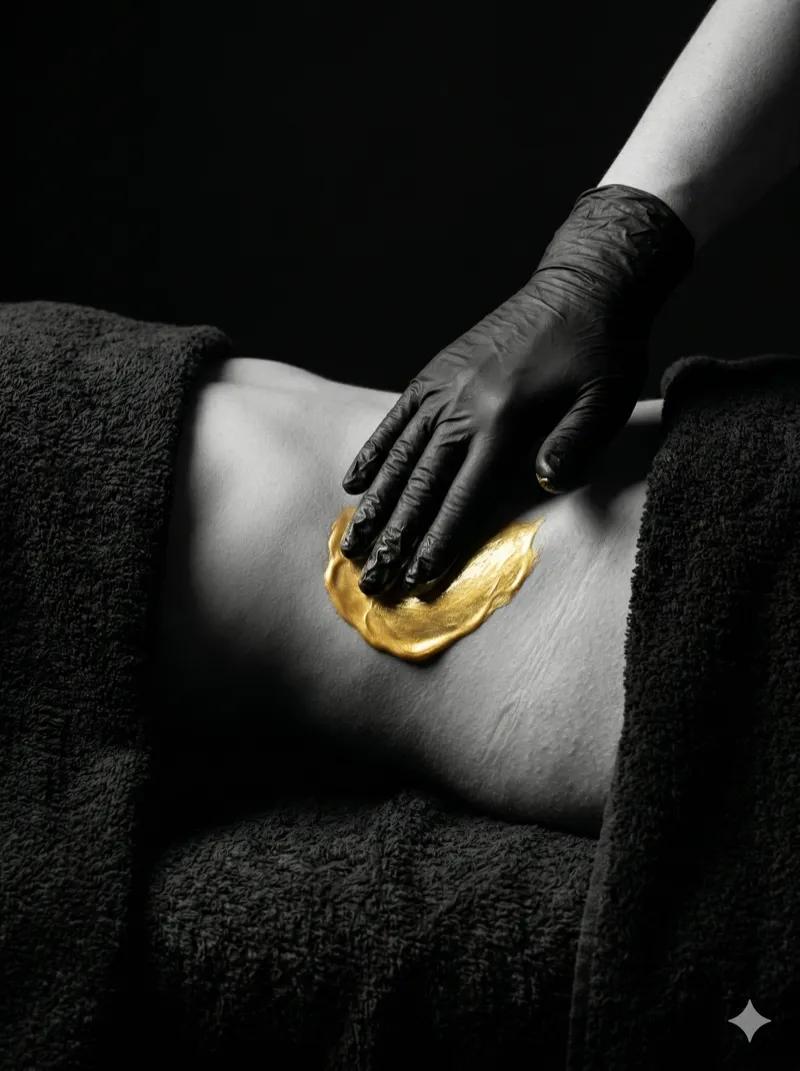
Bikini line irritation after waxing is your skin's natural inflammatory response to hair being pulled out from the root. Most cases – redness and tenderness – settle on their own within 24 to 48 hours, with no medical treatment needed.
Irritation on the bikini line after a wax in Gandia is your skin's natural inflammatory response to having hair pulled out from the root. In most cases – redness and tenderness to the touch – it settles on its own within 24 to 48 hours, with no medical treatment needed. When bumps, folliculitis or persistent itching appear, the cause usually lies in how the skin was prepared, the technique used or the aftercare. This guide explains why the groin area reacts so strongly, how to tell the different types of irritation apart and which remedies actually work. Also available: waxing in Ontinyent.
Why the bikini line gets irritated after waxing
The groin area has several anatomical features that make it especially reactive to waxing. The skin is thinner than on the legs or arms, its pH is more acidic and there are more follicles per square centimetre. On top of that, pubic hair has an average thickness of 75 to 100 microns – compared with 40–50 microns for leg hair – so it takes more pull to remove, which triggers a stronger inflammatory response in the follicle. In our experience in the treatment room, around 70% of post-wax irritation comes from a combination of poor technique and unprepared skin, not from the wax itself. The anatomy of the area – folds, constant rubbing from underwear and a higher body temperature – prolongs the inflammation even when the session has been done correctly.
Anatomical factors in the groin area
The groin has natural folds that make it harder to apply the wax evenly and to pull in the right direction for the follicle. Constant rubbing from underwear – especially synthetic fabrics or seams – keeps the mechanical inflammation going for hours after the session. The higher body temperature in this area keeps the pores open for longer after waxing, making it easier for bacteria to get in and for folliculitis to develop.
Hair thickness and follicle sensitivity
Because bikini-line hair is noticeably coarser than hair elsewhere, the therapist needs to pull at precisely the right angle and speed. When the technique isn't right – slow pulls, the wrong wax temperature or pulling at the wrong angle – the follicle suffers more micro-trauma and the resulting inflammation is stronger. This is the main argument for having your bikini wax done in a professional salon rather than at home.
Types of irritation after a bikini wax
Correctly identifying the type of skin reaction is the first step to choosing the right remedy. Post-wax folliculitis, acute redness and flaking work through different mechanisms and need different care. Mixing them up – or treating them all the same way – can drag the problem out or make it worse. Industry data suggests that more than 80% of enquiries about post-wax irritation fall into one of these three types, all of which are easy to recognise from a basic visual description.
Immediate redness and swelling
Redness that appears in the first 15 to 30 minutes after waxing is a normal vascular response: the capillaries dilate in reaction to the micro-trauma of the hair being pulled out. In normal skin it settles within 2 to 6 hours; in sensitive skin it can take up to 24 hours. It doesn't need medical treatment, although dry cold – a cold compress, never ice directly on the skin – and a soothing lotion noticeably speed up recovery.
Bumps and post-wax folliculitis
Post-wax folliculitis is inflammation of the hair follicle caused by bacteria getting in or by friction on the skin after the hair has been removed. It shows up as small reddish bumps, sometimes with a white head, 24 to 72 hours after the session. Coarse, curly hair – typical of the bikini area – is the main risk factor. Wearing tight or synthetic clothing straight after the session makes it worse, as friction over open follicles encourages bacteria to settle. Most cases of superficial folliculitis clear up on their own within 5 to 7 days with basic care.
Persistent itching and flaking
Itching that starts 3 or 4 days after waxing is usually linked to the new hair beginning to grow: as it pushes through the pore, it causes mechanical irritation. Light flaking is also normal and part of the skin's natural renewal. When the itching is intense from the first few hours and comes with weals or hives, it may point to an allergic reaction to an ingredient in the wax – resins, fragrances or colourings – in which case you should stop using that wax and get professional advice before carrying on.
Immediate remedies to calm bikini line irritation
The first 60 minutes after waxing are when inflammation is at its most active. Applying cold, avoiding friction and using the right products during this window significantly reduce how long the irritation lasts and how intense it is. In a professional beauty salon, the session includes a post-wax calming stage with products suitable for the intimate area – a step most home waxing skips, and one that makes a noticeable difference to how quickly your skin recovers.
What to do in the first 24 hours
- Apply dry cold (a cold compress or gel pack) to the treated area for 5–10 minutes.
- Smooth on a thin layer of soothing lotion with aloe vera, bisabolol or panthenol.
- Wear loose cotton clothing for at least 12 hours.
- Don't touch or scratch the area, to avoid introducing bacteria into the open follicles.
- Avoid heat: very hot showers, baths, saunas and intense exercise for the first 24 hours.
- Don't apply deodorants, perfumes or products containing alcohol to the waxed area.
For more detailed advice for each area of the body, our guide to aftercare after waxing goes through each step with recommended timings.
Soothing products recommended by beauty therapists
In our experience in the treatment room, the most effective ingredients for calming irritation in the groin area are pure aloe vera (at least 98% concentration), anti-inflammatory thermal spring water, diluted tea tree oil (a natural antibacterial), niacinamide and panthenol. Products with fragrance or alcohol should be avoided in the days after waxing, as they aggravate inflammation in a skin barrier that's already compromised. 1% hydrocortisone creams can be used occasionally for intense itching, but it's not advisable to use them for more than 2–3 days in a row.
Natural remedies backed by evidence
Fresh aloe vera gel is the best-supported natural remedy: it works as an anti-inflammatory, a moisturiser and a mild painkiller all at once. Cold chamomile compresses (a strong infusion chilled in the fridge) soothe thanks to the plant's natural alpha-bisabolol. Rosehip oil, applied 48 hours after waxing – never before, as it can clog freshly opened pores – helps restore the skin barrier. Remedies without evidence – lemon, vinegar or bicarbonate of soda applied directly to the skin – can make the reaction worse and should be avoided completely on this area.
How to prevent irritation at your next bikini wax
Preventing bikini line irritation starts 48 to 72 hours before your appointment, not during the session. A consistent routine between sessions can reduce the likelihood of bumps and folliculitis by up to 60%, according to professional beauty practice. How often you wax, the type of wax used and how your skin is prepared are the three factors with the greatest long-term impact – and all three are directly in the hands of you and your therapist.
Preparing your skin before waxing
- Exfoliate gently 48 hours before: it removes the dead skin cells that stop the hair coming out cleanly and lowers the chance of ingrown hairs. A gentle physical scrub or a cotton pad is enough; avoid exfoliating acids in the 2 days before.
- Moisturise daily up to 24 hours before: well-hydrated skin releases the hair more easily and reduces micro-trauma to the follicle.
- The right hair length: between 3 and 5 mm. Under 3 mm the wax can't grip properly and has to be reapplied; over 6 mm, pain and irritation increase noticeably.
- Don't apply creams or oils on the day of your wax: oily residue stops the wax gripping the hair properly at the root.
Exfoliation and your routine between sessions
Exfoliating the bikini line twice a week between sessions – with gentle circular movements – frees the follicles and stops new hair getting trapped under the skin. If ingrown hairs keep coming back, our article on ingrown hairs after waxing explains step by step how to prevent and treat them with the right products. Moisturising daily with an unperfumed lotion keeps the skin barrier strong and gradually reduces the intensity of the inflammatory response at each session.
Why a professional wax beats waxing at home
In a beauty salon, your therapist applies the wax at exactly the right temperature, adjusts the angle of the pull to the direction of the follicle and chooses the type of product – warm wax, hot wax or one specifically for the intimate area – according to the condition of your skin. In our experience in the treatment room, clients who wax at home have 2 to 3 times more episodes of folliculitis than those who see a professional regularly. Having your bikini wax done professionally also means an initial assessment, so the protocol can be adapted to each person. At our Gandia salon, a go-to for the whole of la Safor, and at our Ontinyent salon, with regular clients from all over la Vall d'Albaida, every session includes preparation and post-wax calming to keep irritation to a minimum from your very first visit.
When to see a professional about post-wax irritation
The vast majority of post-wax reactions are self-limiting and improve with basic care at home. However, certain symptoms mean the irritation has gone beyond what's expected and needs a medical opinion before you go back to waxing:
- Bumps that grow, become painful to the touch or still have pus after 72 hours.
- Redness spreading beyond the waxed area, with intense heat or a fever (possible bacterial infection).
- A hives-type reaction – weals, localised swelling – in the first 30–60 minutes after the wax is applied, possibly an allergy to the wax.
- Intense itching that lasts more than 5–7 days without gradually improving.
- Dark marks or hyperpigmentation that don't improve within 3–4 weeks.
In these cases, seeing a dermatologist is an essential first step before going back to any hair removal method.
Frequently asked questions about bikini line irritation after waxing
How long does irritation last after a bikini wax?
In most cases, mild irritation – redness and tenderness – disappears within 24 to 48 hours. More reactive skin, or sessions where an area had to be waxed twice, can take up to 72 hours to look normal again. Superficial folliculitis, if it appears, can last 5 to 7 days with basic care. If it hasn't improved after that, it may point to an early infection, a delayed allergic reaction or poor waxing technique, and it's worth getting professional advice before your next session. Applying cold in the first 30 minutes and a suitable soothing lotion can noticeably shorten recovery time.
Is it normal to get bumps after a bikini wax?
Yes – small reddish bumps in the 24 to 72 hours afterwards are fairly common on the bikini line, especially if your hair is coarse or curly. This is superficial folliculitis – inflammation of the hair follicle – and in most cases it clears up on its own without any specific treatment. To prevent it, gently exfoliating twice a week between sessions and keeping your skin well moisturised make a big difference. Wearing loose cotton clothing for 12–24 hours after waxing also helps. If the bumps contain pus, are painful to touch or haven't improved within a week, it's a good idea to see a dermatologist before your next appointment.
Which cream is best for irritation after a bikini wax?
From professional beauty practice, the most effective products combine soothing and moisturising ingredients: 98% pure aloe vera gels, lotions with panthenol or niacinamide, and creams with thermal spring water. Products containing alcohol, fragrance or exfoliating acids should be avoided in the days immediately after waxing, as they aggravate inflammation when the skin barrier is compromised. 1% hydrocortisone creams are helpful occasionally for intense itching, but shouldn't be used for more than 2–3 days in a row. The most reliable approach is to use the product your therapist recommends at the end of the session, as it takes into account the condition of your skin and the type of wax used.
Can I go to the beach or pool after a bikini wax?
The first 48 hours after a bikini wax are when your skin is at its most vulnerable. Sea water and pool chlorine can irritate skin with open follicles and increase the risk of infection or folliculitis. Direct sun on freshly waxed skin can cause hyperpigmentation, especially if your skin is prone to dark marks. The usual advice is to wait at least 48 hours before swimming in the sea or a pool, and to apply SPF 50 if you'll be in the sun during that time. Our guide to aftercare after waxing gives the recommended timings for each specific activity.
How often should I wax to reduce irritation?
The ideal frequency for a bikini wax is every 4 to 6 weeks. At that interval, the hair is the right length (3–5 mm) for your session and the follicle has completed its recovery cycle. Leaving less than 3 weeks between sessions increases the risk of irritation because the skin hasn't finished regenerating. On the other hand, waiting more than 8 weeks means coarser, more firmly rooted hair that needs a stronger pull, which increases the micro-trauma. Keeping to a regular rhythm gradually conditions the follicle: over time the hair grows back finer and the irritation becomes noticeably milder from one session to the next.
What's the difference between irritation and an allergy to wax?
Post-wax irritation is a mechanical, localised inflammatory response that appears only on the treated area and gradually improves over 24 to 72 hours. A wax allergy is an immune reaction to an ingredient in the product – resins, colourings or fragrances – that shows up as hives, weals, intense widespread itching or swelling, usually within 30 to 60 minutes of application. An allergy can develop later on, even in clients who have tolerated the same wax for years, so it can't be ruled out just because previous sessions went well. If an allergic reaction is suspected, your therapist can do a patch test on a small area before the full session. If you have intense or unusual symptoms, stop the session and see a dermatologist before waxing again.
Booking ahead gives your therapist the chance to get to know your skin's history and adapt the type of wax and the post-wax routine to you. Whether you're looking for a bikini wax with as little irritation as possible, or combining it with a full Brazilian wax or a full body wax for women, the Adrian Beauty Studio team offers personalised advice from your very first visit, both at our Gandia salon and at our Ontinyent salon.
Quick reference: waxing
| Area | Session | Lasts | Pain (1-5) |
|---|---|---|---|
| Classic bikini line | 15-20 min | 3-5 wks | 3-4 |
| Underarms | 10 min | 3-4 wks | 3 |
| Half legs | 20-25 min | 3-5 wks | 2-3 |
| Upper lip | 5 min | 2-3 wks | 3 |
| Eyebrows | 10-15 min | 3-4 wks | 2-3 |
| Back | 25-30 min | 4-5 wks | 3 |