Folliculitis After Waxing: Differences from Ingrown Hairs and Treatment
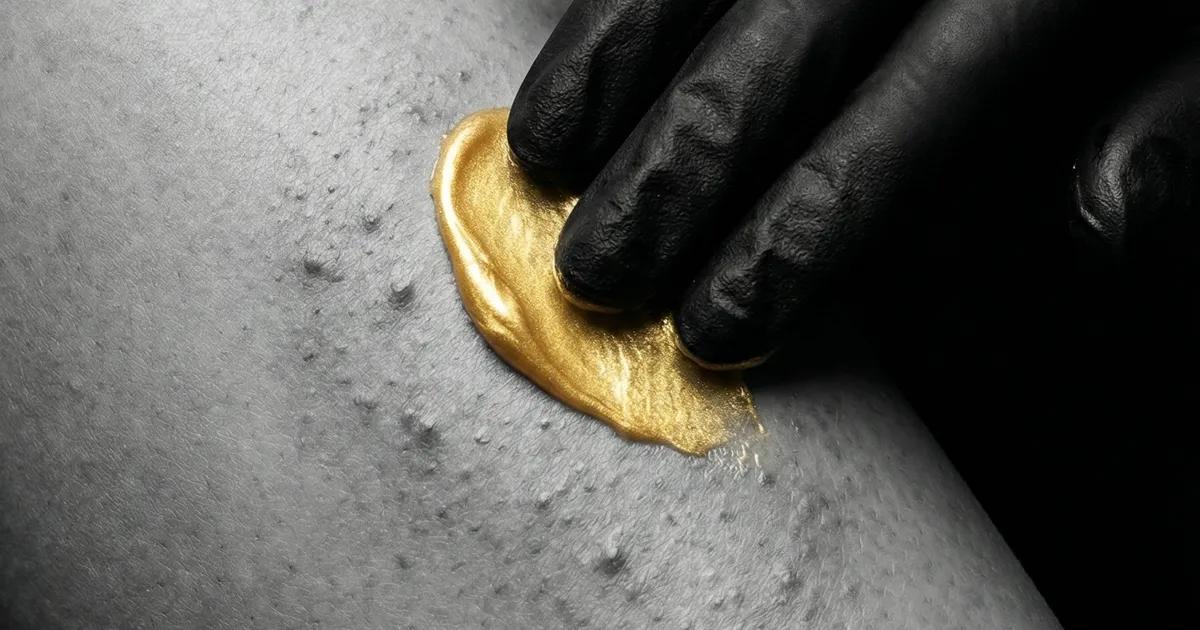
Folliculitis is an inflammation of the hair follicle caused by bacteria -- primarily Staphylococcus aureus -- that penetrate the skin after hair is removed with wax.
Folliculitis is an inflammation of the hair follicle caused by bacteria -- primarily Staphylococcus aureus -- that penetrate the skin after hair is removed with wax. It presents as reddish pustules around the follicle and is routinely confused with ingrown hairs, even though they are distinct conditions requiring different treatments. This guide explains how to identify folliculitis, what triggers it, how to treat it at home and when to see a dermatologist.
What folliculitis is and why it appears after waxing in Gandia Also available for waxing in Ontinyent.
Folliculitis is the inflammation of the hair follicle caused, in most cases, by Staphylococcus aureus, although fungi such as Pityrosporum ovale or gram-negative bacteria can also be involved in skin prone to infection. It presents as reddish pustules or papules, often with a central white point, distributed around the follicular opening in the waxed area.
Waxing removes hair from the root, leaving the follicular canal open and vulnerable. If during that window it comes into contact with sweat, tight clothing or unhygienic surfaces, bacteria find a direct route in. According to the Journal of the American Academy of Dermatology, breaking the epidermal barrier during cosmetic procedures increases the risk of bacterial colonisation by up to 40% compared with intact skin. Typical symptoms appear between 24 and 72 hours after the session.
Superficial vs deep folliculitis: degrees of severity
Superficial folliculitis -- also known as Bockhart's impetigo -- affects only the follicular opening and is the most common form in the context of waxing. Professional practice shows that this type resolves spontaneously in the majority of cases without systemic antibiotics.
Deep folliculitis compromises the entire follicle and may extend into the surrounding dermal tissue, leading in severe cases to boils or carbuncles. This variant, though less frequent, requires dermatological assessment. The most exposed areas are the groin, buttocks and underarms, where continual friction from clothing promotes bacterial penetration even hours after the session.
Folliculitis vs ingrown hairs: how to tell them apart correctly
Folliculitis is an active infection of the hair follicle; an ingrown hair is a mechanical problem in which the hair grows inwards beneath the skin rather than emerging to the surface. Both conditions appear in the same area and within the same timeframe after a session, which explains the confusion. However, the differential diagnosis is clinically important: manipulating folliculitis as if it were an ordinary spot spreads the infection to healthy adjacent follicles. For a specific analysis of ingrown hairs, the article on ingrown hairs after waxing covers their causes and management in greater depth.
Symptoms of folliculitis from waxing
Post-waxing folliculitis produces an eruption of pustules -- small blisters containing purulent fluid -- or inflamed papules with an intense red halo. The centre of each lesion coincides exactly with a hair exit point. The area may be tender to the touch, display marked local heat and, in extensive outbreaks, slight fever or general malaise. Unlike ingrown hairs, you cannot see the hair's path beneath the skin.
Symptoms of ingrown hairs
An ingrown hair presents as a small rounded bump, sometimes with a dark line visible beneath the epidermis revealing the hair's trajectory. Itching is intense but there is rarely abundant pus or marked local heat. The inflammation is more discrete and localised. If an ingrown hair becomes secondarily infected, it can develop into secondary folliculitis, which complicates the differential diagnosis.
Comparison table: folliculitis versus ingrown hairs
| Characteristic | Folliculitis | Ingrown hair |
|---|---|---|
| Primary cause | Bacterial infection (Staphylococcus aureus) | Abnormal hair growth beneath the skin |
| Appearance | Pustules with pus, intense red halo | Rounded bump, hair visible under the skin |
| Local heat | Present | Absent or very mild |
| Itching | Moderate | Intense |
| Main treatment | Antiseptics, topical antibiotics | Exfoliation, topical retinoids |
| Risk of spread | High if lesions are manipulated | Low (mechanical problem, not infectious) |
| Recurrence without treatment | Likely if risk factors persist | High if waxing continues without exfoliation |
Main causes of folliculitis after waxing
Several simultaneous conditions raise the probability of folliculitis. The residual heat from the wax dilates the follicles and facilitates bacterial penetration; if tight synthetic clothing is worn in the first hours, the warm, humid environment created is ideal for Staphylococcus aureus. Data from Adrian Beauty Studio indicate that the majority of clients who report this reaction had worn tight synthetic clothing immediately after the session.
Material hygiene is the most controllable factor in a professional setting. In a domestic context, re-using spatulas is the most frequent cause of cross-contamination. The direction in which the strip is pulled also matters: an incorrect angle can snap the hair shaft midway through the follicular canal, and that fragment acts as a foreign body, triggering inflammation even before bacterial colonisation.
Folliculitis is estimated to affect between 10% and 15% of people who wax without proper aftercare, compared with a significantly lower incidence among those who follow a complete post-session protocol.
Risk factors that increase the likelihood
Profiles with greater susceptibility include: skin prone to acne, diabetes or immunosuppression, recent use of topical corticosteroids and absence of exfoliation before the session. The presence of micro-lesions from recent shaving -- when hair removal methods are combined -- multiplies the risk of follicular infection. Standard practice in a professional beauty salon is to carry out a brief assessment before each appointment to identify these factors and adapt the wax type and post-waxing product accordingly.
Sweating immediately after the session -- through exercise or high-temperature exposure -- also increases the risk significantly. The general recommendation is to avoid the gym, saunas and hot baths until the day after the session.
Treatment of folliculitis from waxing
Treatment of superficial post-waxing folliculitis is organised in two phases: home management during the first days and medical referral if the response is unfavourable. In the vast majority of mild cases, basic antiseptic care is sufficient for complete resolution without systemic antibiotics.
Home care: what to do in the first days
- Cleanse the area with warm water and a mild antibacterial soap, without scrubbing or exfoliating the affected skin.
- Apply 0.05% chlorhexidine or dilute povidone-iodine twice a day to each lesion.
- Do not scratch or squeeze the pustules: manipulation spreads the infection to healthy adjacent follicles.
- Cold-water compresses for 10 minutes to relieve local heat and reduce itching.
- Wear loose cotton clothing to minimise friction and allow the area to breathe.
- Avoid fragranced cosmetics -- self-tanners, scented creams -- on the area until it has fully resolved.
If there is no visible improvement after three days, a topical antibiotic such as mupirocin 2% may be considered, always with prior medical advice. Around 80% of superficial folliculitis cases resolve with this care alone, without systemic antibiotics. For further guidance on general post-waxing aftercare, the article on skin care after waxing details the recommended steps for each phase.
When to see a dermatologist
Consult a dermatologist if any of the following apply:
- The lesions spread or increase in number despite home treatment.
- Fever, swollen lymph nodes or notable general malaise appears.
- There are deep, hard nodules beneath the skin (possible boils).
- Outbreaks are recurrent (more than two episodes in 3 months).
- The person has diabetes, immunosuppression or another condition that impairs the immune response.
In these scenarios, the dermatologist may prescribe systemic antibiotics such as cefalexin or dicloxacillin and, in recurrent cases, request a culture to identify the organism and its antibiotic sensitivity. Self-medicating with antibiotics without a prescription is not recommended under any circumstances.
How to prevent folliculitis in future waxing sessions
Prevention of folliculitis starts before the appointment. Gentle exfoliation of the area 48 hours beforehand removes dead cells that can obstruct the follicle and hinder a clean exit for the hair. Arriving with clean, dry skin -- no creams, oils or deodorant on the area to be treated -- improves wax adhesion and reduces follicular trauma.
After the session, the first 30 minutes are the most critical period: the skin is especially porous and reactive to external agents. Applying a calming product with allantoin, panthenol or thermal water immediately reduces the initial inflammatory response and creates a provisional barrier against bacterial entry. Direct observation in the treatment room confirms that clients who follow this step have a notably lower incidence of folliculitis than those who skip aftercare.
The role of professional aftercare in beauty salons
A well-equipped beauty salon applies a specific post-waxing product with antiseptic and calming properties at the end of the session. This step adds 2-3 minutes to the service but makes a real clinical difference: it actively closes the process and neutralises the inflammatory environment created by the wax.
The strip removal technique also plays a decisive role. According to the National Association of Beauty Professionals, correctly stretching the skin when pulling the strip minimises breakage of the hair shaft midway through the follicular canal -- one of the main factors predisposing both ingrown hairs and bacterial folliculitis. For additional guidance on managing sensitive skin in the intimate area, the article on irritation in the bikini area after waxing offers effective, professionally validated remedies.
Professional, safe waxing in Gandia and Ontinyent
Adrian Beauty Studio has centres in Gandia -- a point of reference for waxing in the La Safor district -- and in Ontinyent, in the heart of the Valle de Albaida. At both locations, strict hygiene protocols are applied: single-use materials per session, fresh wax and a post-waxing product included as standard at the end of every treatment.
Bikini waxing is one of the most in-demand services at both centres, precisely because the bikini area is where folliculitis and irritation appear most frequently when the technique is not adequate. The therapist assesses the skin's condition before each session and adapts the wax type -- strip wax for fine hair, hot resin wax for coarser hair -- according to the sensitivity of the area.
Demand for waxing in Gandia rises notably in the summer months, given the proximity of the beach and the La Safor climate. For those seeking waxing in Ontinyent and the Valle de Albaida, the centre provides a professional, local beauty service with all the protocols needed to minimise post-session reactions. For up-to-date details, visit the Gandia beauty salon or Ontinyent beauty salon page. For a thorough look at what a full body wax includes, the article on Brazilian waxing covers techniques, areas and aftercare.
Frequently asked questions about folliculitis and waxing
How do I know if I have folliculitis or ingrown hairs after waxing?
Folliculitis produces pustules with pus and local heat around each lesion; an ingrown hair presents as a bump without pus in which you can sometimes see the hair's path beneath the skin. If the lesions are multiple and have a clearly infected appearance, folliculitis is the most likely cause. If in any doubt, a dermatologist can confirm the diagnosis at a consultation without additional tests.
How long does folliculitis from waxing take to heal?
Mild cases of superficial folliculitis typically resolve with antiseptic home care within two weeks. Deeper forms may take longer, especially if topical or systemic antibiotics are required. If after one week of treatment there is no visible improvement, it is advisable to consult a doctor to rule out bacterial resistance or fungal superinfection.
Is folliculitis caused by waxing contagious?
Bacterial folliculitis is not transmitted through casual contact, but Staphylococcus aureus can transfer via shared towels, sponges or clothing. It is best to use individual towels and not share personal hygiene items during the episode. Folliculitis of purely mechanical origin -- without an infectious component -- poses no risk of transmission to others.
Can I wax if I have active folliculitis?
No. Waxing over active folliculitis spreads the infection to healthy adjacent follicles and worsens the condition. The recommendation is to wait for all lesions to resolve completely before resuming waxing sessions. A professional therapist will refuse to treat areas with active folliculitis as part of the salon's safety and hygiene protocol.
When should I see a dermatologist about folliculitis?
Seek medical advice without delay if the lesions spread during the first days, if fever, swollen lymph nodes or severe pain appear, or if outbreaks are frequent. People with diabetes, autoimmune conditions or immunosuppressive treatment should attend from the first symptoms, as their capacity to respond to bacterial infections is reduced. Do not self-medicate with antibiotics without a medical prescription.
If you want to minimise the risk of folliculitis from the very first session, book an appointment at a centre where professional aftercare is part of the protocol. At Adrian Beauty Studio, in both Gandia and Ontinyent, every waxing session concludes with the post-session care needed for the skin to recover quickly and safely.
What is post-waxing folliculitis
Post-waxing folliculitis is an inflammation of the hair follicles after waxing, presenting as red bumps or pustules between 24 and 72 hours afterwards. It occurs when bacteria or friction irritate the open follicle. It is most common on the bikini line, underarms and groin.
Folliculitis vs ingrown hairs
| Folliculitis | Ingrown hair | |
|---|---|---|
| Appearance | Red bumps with a white tip | Lump with hair visible beneath the skin |
| Cause | Infection/irritation of the open follicle | Hair grows curved, does not reach the surface |
| Onset | 24-72 hrs after waxing | 5-14 days afterwards |
| Common area | Bikini, underarms, groin | Bikini, legs, chin |
| Treatment | Antiseptic, do not touch, loose clothing | Gentle exfoliation, warm compresses |