Nail Art: Current Trends, Decorative Techniques and Designs for Every Occasion
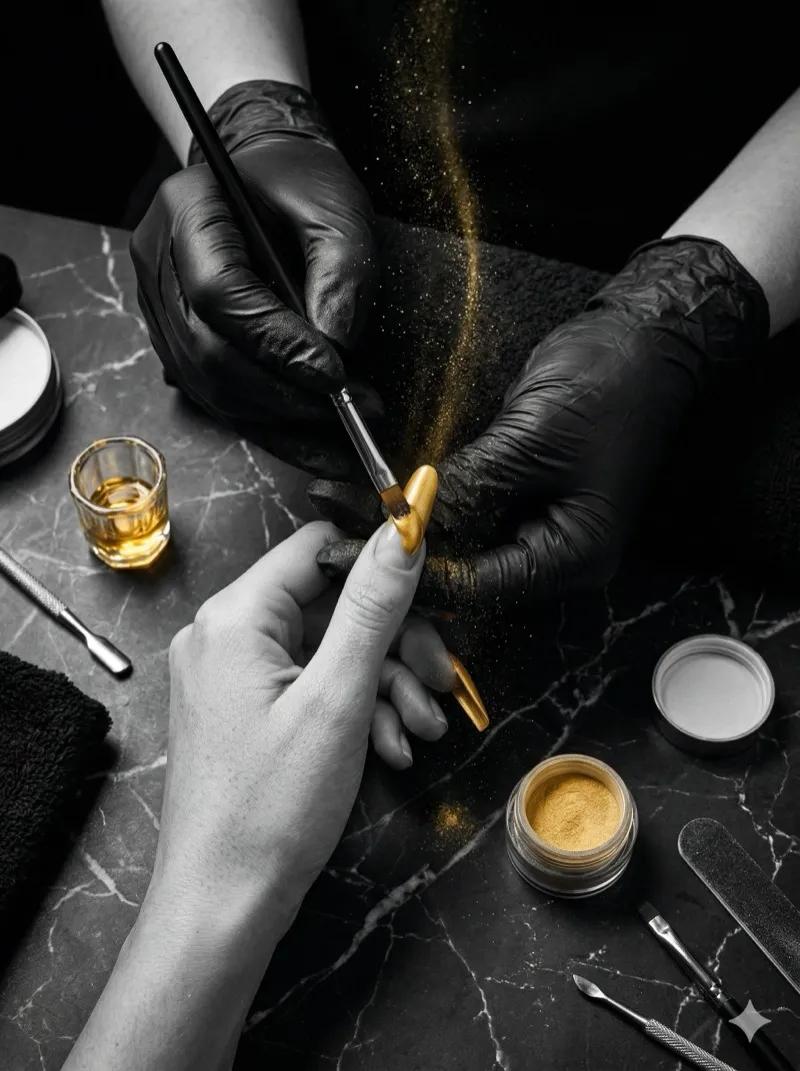
Nail art is no longer a treat saved for special occasions. Today it's a way of expressing yourself, as everyday as choosing a haircut or a makeup style.
Nail art is no longer a treat saved for special occasions. Today it's a way of expressing yourself, as everyday as choosing a haircut or a makeup style. From minimalist designs that work in any office to 3D designs with crystals for a wedding, today's decorative techniques let you personalise every set of nails down to the millimetre.
In this guide we look at the nail art trends for 2026, the techniques used at the nail desk and how to choose the design that best suits your style, the occasion and your nail type.
What Is Nail Art and What Are the Benefits?
Nail art is any decoration on the nail beyond a plain colour. It ranges from a subtle geometric line to a three-dimensional design with Swarovski crystals. The difference from a standard manicure isn't only about looks: professional nail art needs specific tools (00 detail brushes, dotting tools, high-coverage pigments) and proper technical training.
The benefits go beyond the visual. A good nail art design lifts your whole look without any extra accessories. And when it's done on a sturdy base such as gel nails or acrylic nails, the decoration stays intact for weeks, not days.
Another point that makes a difference: professional nail art adapts to your anatomy. The application technique changes depending on the curve of your nail bed, the thickness of the nail plate and the shape you choose. That level of personalisation is what separates a long-lasting result from one that lifts after a few days.
Nail Art Trends for 2026
This year's trends sit at two extremes: ultra-subtle and maximalist. There's no lukewarm middle ground, which makes choosing easier: either you go for discreet designs that add without shouting, or for statement pieces that become the centre of your look.
Minimalist Designs and Geometric Lines
Minimalist nail art rules in professional settings and among those who like a clean style. In 2026 the trend is for fine lines painted with a detail brush over nude or pinkish bases. Incomplete triangles, asymmetric dots and the reverse French half-moon are the most requested designs.
What's great about this trend is how versatile it is. A geometric design on a gel polish base looks flawless for 2-3 weeks without touch-ups. At our Gandia salon, minimalist designs with gold lines are among the most requested, especially by clients who want nail art that works for the office.
3D Nail Art and Raised Effects
At the opposite end, 3D nail art keeps gaining ground. Flowers sculpted in gel, raised bows and textures that imitate fabrics (knit, tweed) are built directly on the nail. The technique uses high-viscosity builder gels cured layer by layer, so the pieces don't snag or break.
The "gummy bear" effect — a thick layer of translucent tinted gel that looks like a jelly sweet — is also on trend this year. It's mostly done on acrylic nails, because the rigid base handles the extra volume better.
Bear in mind that 3D designs add around 20-30 minutes to a standard appointment and need a little more care to avoid snagging.
Abstract and Watercolour Nails
Watercolour nails use diluted pigments or water-based inks over a white or translucent base. The result is soft patches of colour that look like an abstract painting. It's done with flat brushes and blended before the product dries, so it takes a steady hand and speed.
This style works especially well with pastel palettes and earthy tones. It's a choice that surprises without looking overdone — ideal if you want something artistic but not loud.
Chrome and Mirror Nails
The chrome or mirror finish is created by rubbing powdered pigment (usually titanium- or chrome-based) over a no-wipe gel layer with a silicone applicator. The result is an almost perfect metallic reflection.
In 2026 the most popular shades are rose chrome, champagne gold and cool silver. Chrome is also paired with French designs: chrome tips over a nude base, an elegant effect that works for events and everyday wear alike. If you visit us in Ontinyent, you can pair chrome with an almond or coffin shape for a very current look.
Nail Decoration Techniques: A Step-by-Step Guide
Knowing the techniques helps you ask for exactly what you want at your appointment. Each method has its pros, its limits and its level of difficulty.
Stamping
Stamping uses metal plates engraved with designs. A special polish (highly pigmented and slow-drying) goes on the plate, is picked up with a silicone stamper and transferred to the nail. In under a minute you have a perfectly symmetrical pattern.
It's the quickest way to get complex designs: lace, mandalas, floral prints. Its limit is that it depends on the plates available, so there's less room for personalisation than with hand-painted techniques. It works especially well on dark bases with metallic or white polish.
Hand-Painted Designs
Hand-painting is the queen of nail art techniques. With detail brushes (from 0 to 000), gel pigments and liquid acrylics, it can create any design you can imagine: portraits, landscapes, lettering, illustrations.
How long it takes varies a lot with complexity. A simple design of two or three strokes per nail adds about 10 minutes to the appointment. An elaborate design on all ten nails may need its own, longer appointment. At Adrian Beauty Studio in Gandia and Adrian Beauty Studio in Ontinyent, hand-painted designs are done with art gels cured under the lamp, so the design doesn't smudge or shift under the top coat.
Stones, Glitter and Crystals
Stones are fixed with clear builder gel, never with ordinary glue. The process: a drop of gel where the piece will go, the crystal placed with precision tweezers, cure, then seal the edges with more gel so it doesn't catch.
Quality crystals (Swarovski or similar) refract light very differently from plastic imitations. You can see the difference, and you can feel it in how long they last: a crystal properly set at a professional salon stays put for the whole manicure cycle.
For weddings and events, stones are usually concentrated on one or two accent nails, with a simpler design on the rest. That keeps the look from being too much and makes everyday life easier in the weeks that follow.
Ombré and Blending Techniques
Ombré is created by applying two or more colours with a fine-pore cosmetic sponge or a flat brush, blending where they meet. The baby boomer — a white-to-nude fade — is still a classic, but in 2026 vertical ombré and bold colour combinations are also in.
The trick is in the saturation: thin layers, cured one by one, so the transition is smooth. A well-done ombré needs 3 to 5 layers, which adds a little time to the appointment but gives a far more professional finish than DIY.
Nail Art Designs for Every Occasion
Choosing a design isn't just about taste: context matters. Nail art that dazzles at a wedding can look over the top in a work meeting, and vice versa.
Casual Nail Art for Work
For the office, the designs that work best add detail without shouting. Fine metallic lines over a nude base, a minimalist French with irregular edges (the so-called "abstract French") or micro dots placed at random.
The key is to stick to a neutral palette — beige, dusty pink, taupe, soft grey — and keep the decoration to one or two nails. The rest can be a plain colour. That way you can refresh the design every 3-4 weeks without it ever looking out of place at work.
Designs for Parties and Celebrations
This is where the options open up. Glitter, holographic foils, ombrés in jewel tones (emerald, ruby, sapphire) and accent crystals are all popular. Chrome finishes also fit perfectly with a party mood.
A practical tip: if you have an event at the weekend, book your nail art 1-2 days before, not on the day. That gives the top coat time to cure completely and reduces the risk of accidental marks. If you also need makeup for the event, coordinating both appointments makes it easier to have everything ready.
Nail Art for Weddings and Formal Events
Wedding nails have their own unwritten rules. For brides, the most requested designs are: a baby boomer French with micro crystals, a subtle floral design on accent nails, and translucent "glass nail" finishes (glossy transparency).
For guests, nail art in soft metallic tones or with discreet floral details complements the bride's look without competing with it. Either way, it's best to work on a sturdy base: gel nails or acrylics handle a long day of photos, hugs and movement better. Have a look at our comparison of nail types to decide which base suits you.
Seasonal and Themed Designs
Seasonal nail art changes every season, but some patterns come back every year: florals in spring, bright colours and tropical fruit in summer, burgundy and gold in autumn, and textured designs (velvet, snow, metallic) in winter.
What makes the difference in 2026 is that themed designs are done with more sophisticated techniques. It's no longer about stickers or water decals: flowers are hand-painted, snowflakes are sculpted in 3D and seasonal ombrés use gel pigments. The result lasts as long as a full manicure, doesn't peel and looks noticeably better.
How to Choose Your Personal Nail Art Style
Before you go all in on that photo you saved on Instagram, there are three things worth considering so the result is realistic and flattering.
Nail Shape and Length
Not every design works the same on every shape. Almond and coffin nails give more surface for detailed designs and long ombrés. Short square nails are ideal for French and simple geometric designs. Oval shapes suit floral and organic designs.
If you wear short natural nails, minimalist nail art — dots, lines, half-moons — gives the best proportions. For more elaborate designs (3D, lots of stones), a medium length on a gel or acrylic base gives better results, both in looks and in wear.
Colours and Palettes That Suit Your Skin Tone
Choosing the right colour makes more difference than you'd think. As a rough guide: warm skin tones (golden or peachy undertones) look especially good with corals, terracotta, golds and olive greens. Cool skin tones (pink or bluish undertones) are flattered by burgundy, blues, silvers and cool pinks.
In practice, the most useful thing is to try the colour on the nail before committing. At the salon we usually do a swatch on a tip or straight on one nail to see how it works with your real skin tone in natural light.
Balancing Trends and Personality
Trends are a starting point, not a must. If full chrome isn't you, you can just add a touch of chrome to a French tip. If 3D nail art feels like too much, a single raised flower on the ring finger can add something special without overloading.
At a professional salon, the conversation usually starts with visual references (photos from Pinterest, Instagram or TikTok) and then we adapt the design together to your tastes, your base and your daily routine. That personal touch is exactly what sets professional nail art apart from DIY.
Which Base Should You Choose for Nail Art?
The final result depends as much on the base as on the decoration. Each system has its own advantages and limits for nail art.
Nail Art on Gel
Gel nails are the most versatile base for nail art. Their smooth, even surface makes hand-painting, stamping and stones easier. Gel lets each layer of decoration be cured separately under the lamp, which gives full control over the process and stops colours from mixing by accident.
It's the most recommended option if you want detailed designs combining several techniques. If you'd like to go deeper, we have a dedicated guide to acrylic nails: structure and design and another on how the systems compare in our gel, polygel and acrylic comparison.
Nail Art on Acrylics
Acrylic nails offer the most rigid, hard-wearing base. They're ideal for 3D nail art and designs that add volume, because the acrylic structure takes extra weight without flexing. They also let you encapsulate decorative elements (foils, dried flowers, glitter) inside the nail itself.
Their main advantage for nail art is durability: a decorated acrylic set can stay flawless for 3-4 weeks with the right care.
Nail Art on Gel Polish
Gel polish is the lightest option. Because it goes straight onto the natural nail, it's perfect for simple designs: French, lines, dots, soft ombrés. Its limit is that it doesn't handle 3D elements or heavy stones well, since the layer is thinner and more flexible.
If you want everyday nail art with no build, gel polish with a couple of decorative details is the most practical, quickest option. You can see how it compares with other finishes in our guide to classic polish vs gel.
Nail Art FAQs
How long does nail art last?
It depends directly on the base. On gel or acrylics, nail art stays intact for 3-4 weeks, the usual time between infills. On gel polish, the decoration lasts as long as the polish itself: around 2-4 weeks. 3D elements and properly set stones last the whole cycle without problems, as long as you avoid direct knocks. What shortens nail art's life the most is prolonged contact with chemicals (bleach, acetone, solvents) without gloves.
Does nail art damage the natural nail?
No, as long as it's applied and removed properly. Nail art goes on top of the colour or the build, not directly on the natural nail. The critical point is removal: scraping or pulling off the decoration can damage the top layers of the nail plate. That's why professional removal at the salon is so important — we use controlled acetone and gentle bits that respect the natural surface.
Can I do nail art at home?
Basic techniques such as dots with a dotting tool or lines with tape are fine for beginners. But hand-painting, 3D or professional stone work need specific products (art gels with the right viscosity, high-coverage pigments, a powerful enough lamp) and a lot of practice. The main difference between a home result and a professional one is usually symmetry, how long the design lasts and the sealing — which is what stops the decoration from coming off early.
What's the difference between nail art and a normal manicure?
A standard manicure includes cuticle prep, filing, moisturising and a plain colour. Nail art adds a decoration stage that can include one or more techniques: stamping, hand-painting, stones, ombré or special effects such as chrome. The appointment takes longer, and the result offers a level of personalisation a plain colour can't match. In practice, many clients combine both: a well-done manicure with nail art on two or three accent nails.
How do I look after my nail art so it lasts longer?
Five habits that extend the life of your design: 1) Wear gloves for cleaning and washing up. 2) Use cuticle oil every day to keep the gel or acrylic flexible. 3) Don't use your nails as tools (opening cans, scratching off labels). 4) Don't put acetone or nail polish remover on your nail art. 5) If a crystal comes loose or a tip lifts, come in for a quick fix rather than pulling it off; that protects your natural nail and makes the design last longer.
What's the best professional option for nail art?
It depends on what you want. For detailed designs with volume, gel nails or acrylics give the most stable base. If you'd rather keep it light and quick, gel polish with decorative details is enough. Either way, professional application makes a real difference compared with DIY in durability, finish and nail health. At Adrian Beauty Studio in Gandia and Adrian Beauty Studio in Ontinyent, nail art techniques are adapted to your base and your style for a result that really lasts.
Your Next Design Is Waiting
Nail art is one of those beauty choices you enjoy every day: every time you look at your hands, every time someone asks "where did you get those done?". Whether it's a subtle design for every day or something special for an event, a professional result makes the difference in finish, wear and nail care.
If you have an idea in mind — or you'd rather we advise you — take a look at our professional nail art services and book your appointment. At both our salon in La Safor in Gandia and in the Vall d'Albaida in Ontinyent, we create every design personally so the result is exactly what you're after.
Quick reference: types of manicure
| Type | Lasts | Appointment | Adds length? |
|---|---|---|---|
| Gel polish | 2-4 wks | 35-45 min | No |
| Gel, no extension (formerly “semigel”) | 3-4 wks | 55 min | No |
| Gel/Polygel with extension | 3-4 wks | 70-90 min | Yes |
| Acrylic | 3-5 wks | 80-100 min | Yes |
| OPI | 5-7 days | 30 min | No |