Gel and acrylic nail removal: a safe, professional soak-off
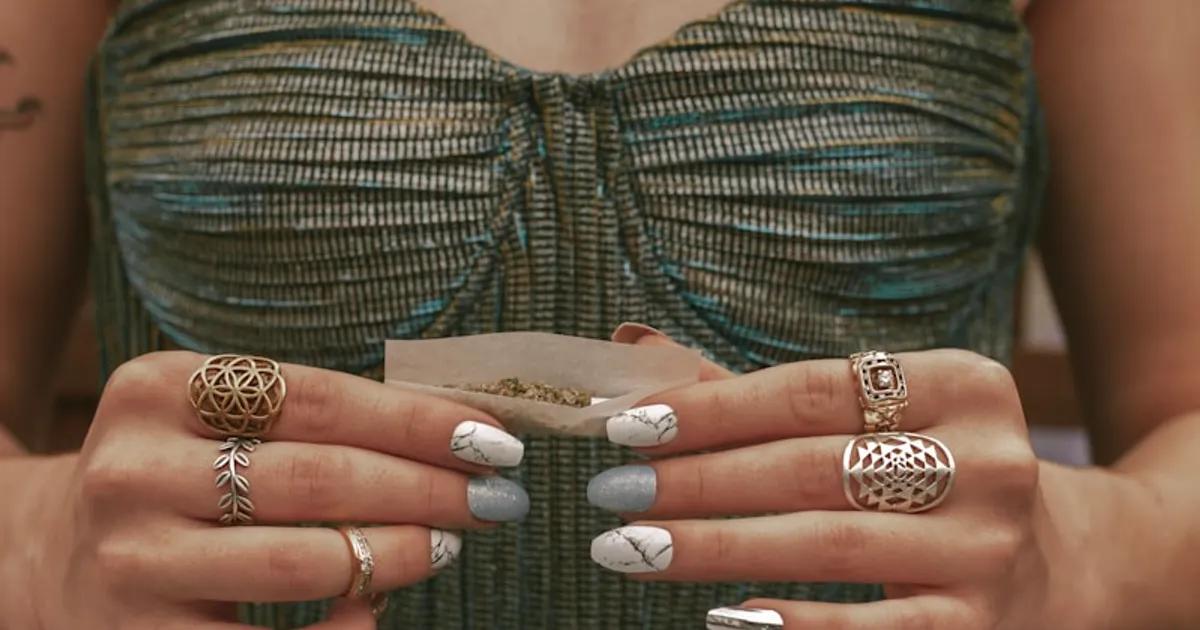
Removing gel or acrylic nails without damaging the natural nail takes technique, the right tools and patience. Here is how a professional removal works and how to look after your nails afterwards.
Removing gel or acrylic nails without damaging the natural nail takes technique, the right tools and patience. A badly done removal — whether at home with neat acetone or by forcing it off with nippers — can leave nails weak, brittle and marked for months. Here we explain how professional removal works, the risks of doing it yourself and what your nails need afterwards.
What is professional nail removal?
Professional removal means taking off all the artificial product (gel, acrylic, polygel or gel polish) from the natural nail without stripping layers of keratin in the process. We use specific products for each type of material, an e-file with calibrated bits and controlled softening techniques.
Contrary to what many clients think, it isn't simply "taking the nails off". It's a process that combines mechanical filing with chemical dissolving to separate the product without harming the nail bed.
Gel vs acrylic
Gel (including polygel) hardens under a UV/LED lamp and forms a flexible but tough layer. Removing it means filing down the top layer and then wrapping with acetone and foil, or carefully e-filing it off.
Acrylic nails are made from acrylic powder and liquid monomer, which creates a more rigid layer. Removal takes a little longer because acrylic is denser and needs more soaking time in acetone. In both cases, the key is never to force it: if the product doesn't come away on its own, it needs more time to soften. If you'd like to know in detail how they're applied and maintained, read our complete guide to acrylic nails.
Why not do it at home
Online tutorials make it look easy: acetone, cotton wool, foil and you're done. In reality, without experience it's very easy to over-file, rip off layers of natural nail along with the product or irritate the skin from long contact with unprotected acetone.
In a professional salon the e-file is adjusted to the thickness of the remaining product — something you simply can't judge by eye. We also protect the skin around the nail with cuticle oil before we start, a step almost nobody does at home.
The risks of removing false nails at home
Taking gel nails off at home is one of the questions we hear most from clients who want to save time or money. But the risks far outweigh the savings.
Damage to the natural nail
The most common mistake is using one nail as a lever to prise the product off. This literally tears away the top layers of keratin, leaving the nail thin, rough and visibly ridged. Signs of damage include:
- Soft, bendy nails that flex at the slightest touch
- White patches or discolouration on the surface
- Frequent breaks, even with gentle use
- An uneven surface with horizontal ridges
- Pain or sensitivity when you touch things
These damaged nails can take 3 to 6 months to grow back fully, depending on how bad the damage is.
Infections and skin problems
An aggressive removal can cause tiny injuries to the nail bed that let in fungus (onychomycosis) or bacteria. Moisture trapped under bits of badly removed product is the perfect setting for fungal infections.
If after a DIY removal you notice a greenish or yellowish colour or unusual thickening of the nail, see a dermatologist. Don't put new product on nails in poor condition: it would make the problem worse.
Step-by-step removal at Adrian Beauty Studio
At our salons in Gandia and Ontinyent, full removal follows a protocol that puts the health of your natural nail ahead of speed. It takes around 25 minutes and includes a finishing manicure. It costs €15 if you're wearing gel polish and €18 if it's acrylic or gel/polygel.
Step 1: Initial assessment
Before touching anything, your technician checks the product: what it is (gel, acrylic, gel polish), how thick it is, the state of the natural nail visible at the sides and any signs of fungus or lifting.
If your set was done at another salon, tell us so the technician can adapt the process to the product used. Not all gels react to acetone in the same way; some must be filed first.
Step 2: Softening and removal
The top layer of product is filed with a medium-grit bit to break the seal and let the acetone in. Then each nail is wrapped with cotton soaked in professional remover and covered with foil (or reusable silicone clips).
Soaking takes between 10 and 15 minutes depending on the product. During that time nothing is forced: if the product doesn't come away easily with a cuticle pusher when the wrap comes off, the process is repeated. That patience is exactly what makes the difference between a safe removal and a damaging one.
Step 3: Cleaning and strengthening
Once all the product is off, the nails are buffed with a fine-grit file to remove any residue without wearing down the natural keratin. A strengthening treatment is applied (usually a hardening base with calcium or keratin) to protect the nail while it recovers.
The cuticles are hydrated with nourishing oil and the skin around the nail is massaged. This step isn't just cosmetic: a well-hydrated cuticle helps the nail grow healthily.
Step 4: Professional finish
Our full removal service includes shaping and finishing your natural nails. If you like, you can have regular or gel polish afterwards, or simply leave them natural with a protective coat.
Many clients who've worn gel for months are surprised when they see their natural nails: they're usually thinner than normal, but with the right care they're back to normal within a few weeks. If you'd rather give your nails a complete break, our manicure without polish is a great way to keep them cared for without any product.
Aftercare: looking after your nails after removal
Professional removal is only half the job. What you do in the following days decides how quickly your nails recover.
First 24-48 hours
- Don't soak your hands in hot water for long (no washing-up without gloves)
- Apply cuticle oil twice a day — morning and night — massaging each nail for 30 seconds
- Don't file your nails for the first 48 hours; the keratin is softer and wears down easily
- Avoid harsh products: acetone nail polish remover, too much hand sanitiser or cleaning chemicals without gloves
Recommended products
For the first few weeks, focus on:
- Cuticle oil with vitamin E or jojoba oil (apply daily)
- Hand cream with 5-10% urea for deep hydration
- A keratin hardening base as a protective layer if your nails feel very thin
- Cotton gloves at night after applying cream (an intensive treatment)
Avoid hardeners with formaldehyde: they harden in the short term but dry out and weaken the nail in the long run.
How long natural nails take to recover
Fingernails grow roughly 3 mm a month. If the damage is only on the surface (roughness, white patches), you'll see a visible improvement in 4-6 weeks. If it goes deeper (severe thinning, pain), full recovery can take 3 to 6 months.
During that time, keep your nails short to avoid breaks and use a strengthening treatment consistently. If you see no improvement after two months, see a professional in case there's an underlying problem.
For more tips on caring for hands and feet after salon treatments, see our guide to pedicure aftercare, which follows similar principles of hydration and protection.
Nail removal FAQ
How long does professional gel nail removal take?
Professional gel nail removal takes around 25 minutes, including the finishing manicure. The exact time depends on the type of product, how thick it is and how many nails need treating. A conventional hard gel needs more soaking time than gel polish. If you're wearing acrylics, it can take a few minutes longer because the material is denser. Either way, it's better to take a few extra minutes than to force the product off and damage the nail.
Does gel nail removal hurt?
A well-done professional removal shouldn't hurt. You may feel some warmth while the e-file is working (that's normal, from the controlled friction) and a little tightness as the softened product comes off, but never sharp pain. If it hurts, it means the file is getting too close to the natural nail or the product hasn't softened enough. At Adrian Beauty Studio, your technician adjusts the pressure and speed of the e-file to your sensitivity. If at any point you feel discomfort, just say so and she'll stop and adjust.
Can false nails be reused after removal?
No. Gel and acrylic nails are sculpted directly onto your natural nail, so when they're removed they dissolve or break up. They're not ready-made pieces you can unstick and glue back on. Tips (the plastic ends sometimes used as a base) aren't reused either, for hygiene reasons: every application needs new, sterilised material. What you can do is have a new set put on straight after removal, although ideally you'd let your nails rest for at least 1-2 weeks if they've had product on for a long time.
How often should I have my acrylic or gel nails fully removed?
We recommend a full removal every 3-4 months if you wear gel or acrylic nails continuously. In between, infills every 3-4 weeks keep the set in good condition without taking everything off. However, if you notice a lot of lifting, edges coming away at the sides or moisture building up under the product, bring the removal forward. Wearing lifted nails for weeks is one of the main causes of fungal infections. If you'd like to know more about maintenance between appointments, see our complete guide to acrylic nails.
What's the difference between removal at home and in a salon?
The main difference is control. At home, most people file without any calibration (it's easy to reach the natural nail without noticing), use industrial acetone with no cuticle protection and force the product off when it won't budge. In a professional salon we use an e-file with different grit bits for each stage, a remover formulated for each type of product and wrapping techniques that keep acetone contact with the skin to a minimum. On top of that, the finish includes a strengthening treatment and hydration that prepare the nail for recovery. A professional removal costs very little compared with repairing damaged nails for months.
What are the signs that my natural nails are damaged?
The clearest signs are: nails that bend when pressed gently (loss of rigidity), scattered white patches on the surface (keratin granulation), marked horizontal ridges, constant breaks even when the nails are short, and sensitivity or pain on contact with hot water or cleaning products. If you also notice a greenish or yellowish colour, it could be a fungal infection: in that case, avoid any cosmetic product and see a dermatologist before having your nails done again.
If you've had gel or acrylic nails for a while and want them removed safely, at Adrian Beauty Studio in Gandia and Adrian Beauty Studio in Ontinyent we do full removal while protecting the health of your natural nail. You can check the details of our full removal service and book whenever you need.
Quick reference: types of manicure
| Type | Lasts | Appointment | Adds length? |
|---|---|---|---|
| Gel polish | 2-4 wks | 35-45 min | No |
| Gel overlay, no extension (formerly "semigel") | 3-4 wks | 55 min | No |
| Gel/Polygel with extension | 3-4 wks | 70-90 min | Yes |
| Acrylic | 3-5 wks | 80-100 min | Yes |
| OPI | 5-7 days | 30 min | No |