After a Relaxing Massage: What to Do to Maximise the Benefits
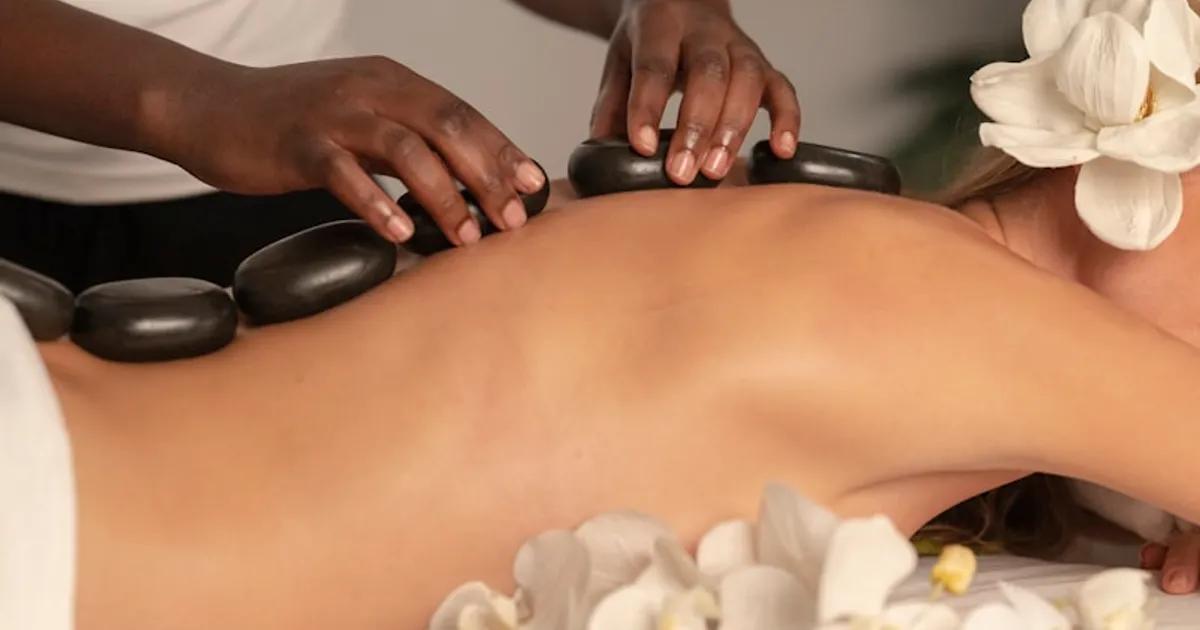
Post-massage care refers to the actions you take in the hours following a session to sustain and amplify the effects achieved during the treatment.
Post-massage care refers to the actions you take in the hours following a session to sustain and amplify the effects achieved during the treatment. Following a proper aftercare protocol can extend the feeling of muscular relaxation by 2 to 3 additional days compared with taking no measures at all. This guide details exactly what to do — and what to avoid — after a 60-minute relaxing massage to get the most from every session.
What happens in your body after a 60-minute relaxing massage
A relaxing massage is a manual manipulation technique for muscle and connective tissue that activates the parasympathetic nervous system, helps lower cortisol levels and stimulates the production of serotonin and dopamine. The localised vasodilation generated during the session improves blood flow to the muscles worked and facilitates the removal of metabolites such as lactic acid accumulated in the tissue. Afterwards, the body enters an active recovery state lasting between 24 and 48 hours.
During this interval, some muscle groups may feel mildly tender to the touch — similar to very light DOMS — which is completely normal and resolves on its own. This is the period when post-session care has the greatest impact on the final result. For more detail on the physiological effects, the guide on relaxing massage benefits offers in-depth information on how massage works at a bodily level.
7 essential steps after a relaxing massage
Post-massage care consists of the actions that enhance and prolong the effects of the session. In-salon experience indicates that people who follow a structured aftercare protocol tend to find the relaxation lasts longer than those who take no measures. Below are the 7 key steps, organised by timing.
Immediate hydration: how much water to drink and when
After a relaxing massage session, the body needs to replenish fluids to facilitate the renal elimination of metabolites mobilised during the muscular manipulation. The standard guidance in manual therapy settings is to drink between 1.5 and 2 litres of water on the day of the session, starting with at least one glass within the first 30 minutes after leaving the centre. Caffeine-free infusions — chamomile, lime flower, valerian — are a valid alternative and complement the relaxing effect. Avoid alcohol and caffeine for the first 6 hours, as both substances activate the sympathetic nervous system and counteract the vasodilation achieved during the session.
Light, anti-inflammatory eating after a massage
The first hours after a massage are a good time to opt for a light meal. The digestive system benefits from the active parasympathetic state and processes gentle foods more efficiently: steamed vegetables, lean protein, fresh fruit or a vegetable broth. Foods rich in omega-3 — salmon, walnuts, flaxseed — have an anti-inflammatory effect on muscle tissue and complement the work carried out in-salon. Very fatty, ultra-processed meals or large portions hinder rest and can cause heaviness incompatible with the relaxation achieved during the session.
Active rest and gentle movement in the first hours
Active rest after a massage means maintaining gentle physical activity during the first hours: 15- to 20-minute walks or light stretches of the muscle groups worked. Prolonged immobility after a session can cause a feeling of stiffness, particularly in the lower back, shoulders and neck. Gentle stretches — 3 to 5 repetitions of 20 seconds per muscle group — help to consolidate the changes achieved in muscle tone and to prevent the rebound tension that appears when the body abruptly resumes its habitual posture.
Skin care after massage oils
Professional massage oils — typically plant-based oils such as sweet almond or jojoba — leave a moisturising film on the skin that should be left for at least 2 hours before showering. If you prefer to shower sooner, the recommendation is to use warm water and a mild soap, avoiding aggressive rubbing. A very hot shower in the first hours can cause mild hypotension and fatigue. If oils with photosensitising essences such as bergamot or lemon were used, avoid direct sun exposure for the first 12 hours to prevent skin discolouration.
Reducing stimuli: noise, screens and stress
Screens, loud noise and high-demand cognitive situations activate the sympathetic nervous system and undo part of the parasympathetic effect achieved during the massage. The most vulnerable period is the first 2 hours post-session. Reducing exposure to digital devices during that interval — or enabling silent mode — allows the nervous system to consolidate the state of calm reached during the session. Where possible, it is preferable not to schedule demanding work commitments or emotionally stressful situations immediately after the appointment.
Restorative sleep on the night of the massage
The night following a 60-minute relaxing massage is usually an excellent opportunity for deep rest. The reduced cortisol levels and increased natural melatonin that follow the manipulation promote more complete and restorative sleep cycles. To make the most of this window, keep the bedroom at a cool temperature — between 18 and 20°C — limit screens for at least 30 minutes before bed and avoid heavy dinners. Many clients who follow these guidelines find they sleep better that same night.
Recording your sensations to optimise the next session
Noting how the body responds in the 24 to 48 hours after the massage — which areas feel most tender, how long the tension takes to dissipate, when muscular stress returns — allows the therapist to adjust technique and pressure at the next session. This record can be as simple as a brief note on your phone or a comment upon arriving at the next appointment. At Adrian Beauty Studio this feedback is taken into account to personalise each session and achieve progressively better results over time.
Activities and habits to avoid after a relaxing massage
The activities and habits to avoid after a relaxing massage session are those that activate the sympathetic nervous system or subject freshly worked muscle tissue to excessive load. Ignoring these guidelines not only reduces the session's effects but, in some cases, can cause physical discomfort. The most frequent error is resuming intense exercise before 24 hours, followed by alcohol consumption in the immediate post-session period.
- Intense exercise in the first 24 hours: Freshly worked muscle tissue is in active recovery. A high-intensity workout before that point can cause atypical soreness or micro-injuries in muscles already fatigued from the manipulation.
- Alcohol in the first 6-8 hours: Interferes with the necessary hydration, raises heart rate and counteracts the relaxation state achieved during the session.
- Excessive caffeine: One or two cups of coffee are not problematic, but high consumption activates the sympathetic system and can produce a rebound effect in muscle tension.
- Very hot showers immediately after: Extreme heat can cause transient hypotension, dizziness or fatigue. A warm shower is always preferable in the first 2 hours.
- Very heavy or processed meals: Hinder rest and can cause digestive discomfort in a body that has just released muscular metabolites.
- Direct sun exposure with photosensitive oils: If the therapist used blends with bergamot or citrus essences, sun exposure in the first 12 hours can cause hyperpigmentation on the treated skin.
Timeline of results: when you will notice the benefits
The results timeline of a relaxing massage follows a predictable pattern that helps manage expectations realistically. Knowing when each effect appears allows you to correctly interpret post-session sensations and distinguish a normal physiological response from a negative outcome.
First 2 hours: Noticeable reduction in superficial muscle tension and a general sense of calm. Mild drowsiness is common due to parasympathetic activation.
Hours 2-6: Some muscle groups may feel mildly tender to the touch. This response is normal and disappears within 48 hours in most cases.
Hours 6-24: The body completes the process of eliminating metabolites mobilised during the session. The feeling of lightness and wellbeing is typically at its peak.
Days 2-3: Effects on muscle tension begin to diminish naturally. With the full aftercare protocol, benefits can be sustained for up to 5 days in individuals without high physical or emotional load.
To understand in detail what happens during the session itself, the guide on what to expect during a relaxing massage session and the article on 60-minute relaxing massage in depth offer complementary information.
Optimal frequency of relaxing massages based on your goal
The optimal frequency is the interval between sessions that maximises cumulative results according to each person's goal. In general, the clearest benefits appear from the third or fourth consecutive session onwards, regardless of the interval chosen between appointments.
- Chronic stress or high emotional load: A session every 2-3 weeks. At this cadence, cortisol levels remain systematically lower between appointments and the muscular response to tension improves progressively.
- General maintenance and wellbeing: A monthly session maintains optimal muscle tone and a sustained state of relaxation throughout the year.
- Occasional use (high-demand periods, exams, travel): A single session produces immediate results and is perfectly valid, although cumulative effects do not apply.
- Combination with circulatory massage: Alternating relaxing massage sessions with circulatory massage enhances results at a vascular and lymphatic level, especially for those with a sensation of heavy legs or fluid retention.
If you are unsure between the 30- or 60-minute session, the guide 30 vs 60-minute massage details when each duration is more appropriate. And to understand when a deep tissue massage is preferable to a relaxing one, the article on the differences between relaxing and deep tissue massage clarifies the selection criteria.
Recommended combinations: relaxing massage with other treatments in Gandía and Ontinyent
A relaxing massage becomes more effective when integrated within a broader care routine. The most popular combinations at a beauty centre in Gandía such as Adrian Beauty Studio pair bodywork with facial treatments or with other types of massage, always respecting each technique's recovery times.
Relaxing massage + facial cleanse in Gandía: Carrying out the deep facial cleanse before the body massage ensures the facial skin is not exposed to heat or oils during the session. It is one of the most requested combinations during the colder months, when stress and skin dryness intensify simultaneously. Also available with facial cleanse in Ontinyent.
Relaxing massage + circulatory massage: For people with fluid retention or poor circulation in the extremities, alternating weeks of relaxing massage with circulatory massage sessions produces results superior to either treatment on its own.
Incorporating a relaxing massage into a structured weekly beauty routine allows treatments to be planned coherently. If you visit Adrian Beauty Studio in Ontinyent or the Gandía centre regularly, the team can advise on the combination best suited to your goals and lifestyle.
Frequently asked questions about post-massage care
Is it normal to feel muscle soreness after a relaxing massage?
Yes, it is completely normal to feel mild muscle tenderness in the 12 to 24 hours following a 60-minute relaxing massage. This happens because the manipulation of muscle tissue mobilises accumulated metabolites and activates blood flow in areas that had reduced circulation. The tenderness is similar to very light DOMS and resolves on its own within 48 hours in the vast majority of people. This response does not indicate that the massage was too intense; it is a normal part of the recovery process. If the pain is sharp, worsens over time or is accompanied by visible swelling, contact the centre or a healthcare professional for an individual assessment.
Can I exercise after a relaxing massage?
Low-intensity exercise — walks, gentle yoga, stretching — is perfectly compatible with a relaxing massage and can even enhance the elimination of metabolites mobilised during the session. High-intensity exercise, however, is not recommended in the first 24 hours. Freshly worked muscle tissue is in active recovery and subjecting it to heavy exertion can cause atypical soreness or greater-than-usual fatigue. Resuming your normal training the following day is the approach that works best for most active individuals who incorporate relaxing massage into their wellness routine.
How much water should I drink after a relaxing massage?
The standard guidance in manual therapy settings is to drink between 1.5 and 2 litres of water on the day of the massage, beginning with at least a large glass in the first 30 minutes post-session. This quantity facilitates the renal elimination of metabolites mobilised by the muscular manipulation and prevents the headache or mild malaise that some people experience after intense sessions. Caffeine-free infusions are a valid alternative to supplement hydration. Avoiding alcohol for the first 6 to 8 hours is equally important so as not to interfere with cellular hydration and the vasodilatory effects of the massage.
Can I take a hot shower after the massage?
A very hot shower immediately after a massage is not the best idea. Very hot water dilates capillaries further in a body that already has activated peripheral circulation, which can cause a temporary blood pressure drop, dizziness or fatigue. The professional recommendation is to wait at least 1 to 2 hours before showering and to use warm water with a mild soap, without rubbing the skin aggressively. A warm shower in the first hours has an additional relaxing effect without interfering with the massage oils or the vascular state achieved during the session.
How often should I have a relaxing massage for stress?
To manage chronic stress effectively through relaxing massage, professionals recommend a session every 2 to 3 weeks as a maintenance frequency. At this cadence, the effects on cortisol are sustained cumulatively between appointments. To observe visible long-term results in stress management, a minimum of 3 to 4 consecutive sessions is needed before evaluating the real impact on perceived tension levels. A monthly session is sufficient for general wellbeing but may not be enough for those with chronically elevated stress levels.
Is a relaxing massage safe during pregnancy?
Massage during pregnancy requires specific adaptations to technique, positioning and working zones, so a standard relaxing massage cannot be applied directly without prior assessment. Adapted prenatal massage protocols exist that are safe from the second trimester, always with the authorisation of the doctor or midwife overseeing the pregnancy. Pregnant individuals wishing to receive a massage should inform the centre of their condition when booking so that the team can advise on the necessary adaptations. At Adrian Beauty Studio, any special health condition — including pregnancy — is assessed individually before confirming the session.
Booking a 60-minute relaxing massage is the first step. Post-session care is what turns an hour of wellbeing into a sustained improvement in muscle tone, sleep quality and perceived stress levels. To plan your next session at our Gandía centre or at Adrian Beauty Studio in Ontinyent, the team will be happy to advise on the frequency and combinations best suited to your goals.
Quick reference: massages
| Type | Pressure | Ideal for | 30 min | 60 min |
|---|---|---|---|---|
| Relaxing | Light-medium | Stress, insomnia | €40 | €50 |
| Circulatory | Medium rhythmic | Heavy legs | €45 | €55 |