Classic lash extensions: the complete guide
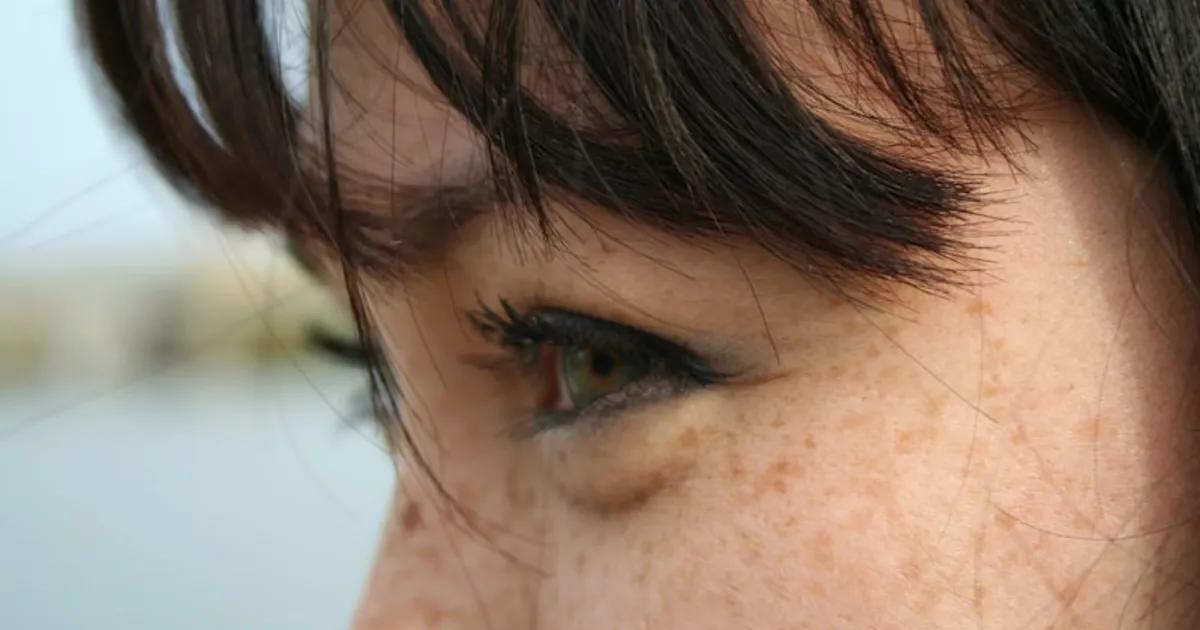
Classic lash extensions involve bonding a single synthetic lash to each of your natural lashes, adding length and volume without strip lashes or daily make-up.
Classic lash extensions (also known as one-to-one or individual lashes) involve bonding a single synthetic lash to each of your natural lashes, adding length and volume without strip lashes or daily make-up. With the right aftercare the result lasts three to five weeks, and you keep it looking full with regular infills every three to four weeks.
If you're thinking about trying them, this guide covers everything you need to know: how a professional application works, the aftercare, the materials available, how often you'll need infills and the real differences from a lash lift.
What are classic lash extensions?
Classic extensions, also called individual or one-to-one lashes, are synthetic fibres bonded one at a time to your natural lashes with a cosmetic-grade adhesive (cyanoacrylate). Unlike fans or Russian volume, where several fine filaments go onto a single lash, this technique places just one extension on each natural lash.
The result looks natural and defined: every lash stays separate, with a controlled curl and length. It's the go-to technique if you want an "enhanced but believable" look, without the very dense effect of volume sets.
Your eyes stay closed throughout the application, and protective pads are placed over your lower lid to keep the bottom lashes out of the way and stop them sticking to the top ones.
Classic lashes compared with other techniques
Professional lash extensions fall into three main families:
- Classic (one-to-one): one extension per natural lash. A clean, defined finish that's ideal for everyday wear.
- Russian volume (2D–6D): fans of two to six ultra-fine fibres bonded to each lash. More density and drama.
- Hybrid: a mix of both techniques along the same lash line, alternating single extensions with light fans.
Classic extensions are the best choice when you want a natural result, or when your own lashes aren't thick enough to hold volume fans. And because each lash carries less weight, the individual technique is also kinder to the follicle.
How lash extensions are applied
A professional classic lash application follows a set routine, and it's worth knowing what to expect before your appointment.
- Cleansing and prep. Any make-up or oil around the eyes is removed with a dedicated oil-free cleanser. The lashes need to be completely clean for the adhesive to grip properly.
- Under-eye pads. Hydrogel or micro-foam pads are placed on your lower lid to separate the top lashes from the bottom ones.
- Choosing the fibres. Your lash technician picks the length, curl (J, B, C, D or L) and thickness of the extensions to suit your natural lashes and the look you want. For classic sets, thicknesses of 0.10 to 0.15 mm are usual.
- Bonding each lash. Using precision tweezers, she isolates one natural lash and attaches an extension that has been dipped in adhesive, holding it for a few seconds while the cyanoacrylate sets.
- Final check and sealing. Once all the extensions are on (between 60 and 100 per eye, depending on the density you want), she checks that no lashes are stuck together and applies a sealant to reinforce the bond.
You'll be lying back comfortably with your eyes closed the whole time. Plenty of clients actually fall asleep.
Materials: mink, silk and synthetic
"Mink", "silk" and "synthetic" describe the finish and feel of the fibre, not necessarily what it's made of. Most professional extensions today are made from PBT (polybutylene terephthalate), a hypoallergenic polymer that can mimic different textures:
- Mink: matte, very lightweight and natural-looking. It's the most popular choice for classic extensions because it copies the texture of a real lash.
- Silk: a soft sheen and slightly thicker. It gives a more defined effect, a bit like wearing mascara.
- Classic synthetic: stiffer and glossier. A more dramatic look, less common for classic sets because of its weight.
In a professional salon, your technician will assess which one suits your natural lashes best. If your lashes are fine, she'll usually recommend a mink-style fibre at 0.10 mm so they aren't weighed down.
How long the application takes
A full set of classic extensions takes around 90 to 120 minutes the first time. Infills usually take 45 to 75 minutes, depending on how many extensions need replacing.
Timing varies with how many natural lashes you have (not everyone has the same density), the look you're after and the technician's experience. If you still have old extensions that need removing first, let us know when you book so we can allow extra time.
How long lash extensions last and how to maintain them
How long do classic lash extensions last?
Individual extensions last as long as the natural growth cycle of the lash they're attached to: between three and five weeks. Your natural lash grows, reaches the end of its cycle and falls out, taking the extension with it. This is completely normal and doesn't mean anything went wrong with the application.
From the second or third week you'll start noticing a few gaps, especially in the middle of the eye, where lashes tend to shed faster. That's the time to book an infill.
Things that make them fall out sooner:
- Oily skin on the eyelids (sebum weakens the adhesive).
- Frequent contact with very hot water or direct steam.
- Rubbing or touching your lashes a lot.
- Using oil-based products near your eyes.
- Sleeping face down with your lashes pressed into the pillow.
Infills and professional touch-ups
Lash extensions are maintained with regular infills. Most clients come back to the salon every three to four weeks to replace the extensions they've lost.
During an infill, your technician removes any extensions that have grown out too far (you can see them lifting away from the base) and replaces them, then fills the gaps where natural lashes have completed their cycle.
If you leave it more than five weeks, there may be so few extensions left that you'll need a full new set rather than an infill. That's why keeping to regular appointments is easier and better value in the long run.
You can see the options for infills and first applications on our lash extensions service page.
Essential aftercare
How you look after your extensions makes a big difference to how long they last. It isn't complicated, but it does take a little consistency in the first few days.
The first 24 hours: what to avoid
The first 24 hours after your appointment are the most delicate, because the adhesive is still curing:
- Keep your lashes dry. Avoid hot showers aimed at your face, saunas, swimming pools and steam rooms.
- No eye make-up. No mascara, eyeshadow or eyeliner.
- Don't rub or touch your lashes. A slight itch is normal and usually settles within a few hours.
- Avoid sleeping face down. Try to sleep on your back or your side so the extensions aren't squashed against the pillow.
Daily cleansing and hygiene
One of the most common mistakes is thinking you shouldn't wash your extensions. In fact, cleansing them every day is essential to stop oil, dust and dead skin building up along the lash line, which can cause irritation or even blepharitis.
- Use a dedicated lash extension cleanser (an oil-free foam) or, failing that, an oil-free micellar water.
- Apply it with a spoolie brush or your fingertips, using gentle downward strokes.
- Rinse with lukewarm water and pat dry with a microfibre towel (never rub).
- Brush your lashes every morning with a clean spoolie to keep them neat and separated.
Products to avoid with extensions
Some ingredients weaken the adhesive and make extensions fall out early:
- Oils of any kind: coconut, argan, jojoba, castor. This includes bi-phase make-up removers.
- Glycols: propylene glycol, butylene glycol. Found in lots of serums and eye creams.
- Petroleum jelly and paraffin: common in lip balms and rich creams.
- Waterproof mascara: removing it calls for harsh solvents that don't mix with extensions.
If you use a moisturiser or eye cream, apply it only along the orbital bone and keep it away from the lash line.
Lash lift vs extensions: what's the difference?
We get asked this all the time in the treatment room, and the answer depends on exactly what you're after. The two treatments are completely different in concept, process and result.
A lash lift is a chemical treatment that curls and lifts your natural lashes from the root, using a thioglycolate solution similar to a hair perm. It doesn't add anything: it works with what you already have. Combined with a tint (the lash lift and tint is our most popular option), you get natural lashes that are visibly curlier, lifted and darker.
Classic extensions, on the other hand, add real length and volume with individually bonded fibres. The effect is more transformative: longer, fuller lashes with exactly the curl you choose.
Look and longevity
| Feature | Lash lift | Classic extensions |
|---|---|---|
| What it does | Curls your natural lashes | Adds fibres to your natural lashes |
| How long it lasts | 6–8 weeks | 3–5 weeks (without infills) |
| Maintenance | None until your next session | Infills every 3–4 weeks |
| Time in the chair | Around 45–60 minutes | Around 90–120 minutes |
| Look | Natural, nothing added | Fuller and longer |
Versatility and the look you want
If your lashes are long but straight, a lift may be all you need to open up your eyes, with no extensions required. It's also the easiest option if you want minimal upkeep.
If you want a more noticeable effect (lashes longer than nature gave you, more density or a particular look such as cat-eye or doll-eye), classic extensions give you that versatility. Your technician can tailor the length, curl and placement to create exactly the effect you want.
For a more detailed comparison of the two options, read our article Lash tint or lash lift: which to choose.
Lash extension FAQs
Are classic lash extensions safe?
Yes, as long as they're applied by a qualified professional using proven, quality products. The adhesive used in professional salons is cosmetic grade and formulated specifically for the eye area. Problems arise when industrial glues are used, when the extensions are too heavy for the natural lash, or when hygiene isn't up to standard. At our salons in Gandia and Ontinyent, we use formaldehyde-free adhesives and certified fibres, and always match the thickness and length to what each natural lash can comfortably hold.
Can I have extensions if my lashes are weak or damaged?
It depends on how weak they are. If your lashes are temporarily damaged from overusing a lash curler, a rough removal of previous extensions or compulsive rubbing (mild trichotillomania), it's best to give them a four- to six-week break and then reassess. If your lashes are fine but healthy, ultra-fine extensions (0.07–0.10 mm) can be applied without overloading the follicle. Always check with your technician before the appointment so she can assess the real condition of your lashes and advise you on the best option.
Which material is best for my lashes?
There's no single best material; it depends on your natural lashes and the look you want. Mink-style fibre is the most versatile: light, matte and very natural, which is why it's usually the first choice for classic extensions. If you prefer a more defined finish (similar to wearing mascara), silk fibre adds an attractive soft sheen. Classic synthetic fibre is best kept for special occasions when you want maximum drama. Your technician will guide you at your first appointment after assessing your lashes.
How many infills will I need a year?
With infills every three to four weeks, you'll need between 10 and 14 infill appointments a year, plus the initial full set. If you'd like a break (for example in summer, to enjoy the pool and the beach more freely), you can have the extensions removed, give your lashes a few weeks' rest and then start again with a new full set. Many clients wear extensions in autumn and winter and switch to a lash lift in spring and summer to cut down on maintenance during the hot months.
Could I be allergic to the lash adhesive?
The most reactive part of the process is the cyanoacrylate in the adhesive. Allergic reactions are uncommon, but they can happen, especially if you have very sensitive skin or a history of reacting to adhesives. Typical signs are persistent redness of the eyelid, swelling and itching that doesn't settle after the first few hours. If you've never had extensions before, it's a good idea to have a patch test at least 48 hours before your first full set. If you do react, the extensions are removed with a professional remover without harming your natural lashes. If you have a history of skin allergies, please tell us before your appointment.
Lash extensions in Gandia and Ontinyent
At Adrian Beauty Studio Gandia and our Ontinyent salon, we apply classic lash extensions after a personalised assessment. Before we start, we look at the density, thickness and condition of your natural lashes to choose the material, curl and length that best suit your features and the look you want.
Choosing us for classic lash extensions in Gandia or Ontinyent means being in the hands of technicians trained in individual isolation, using the latest adhesives, and having your infills properly followed up so your lashes always look their best.
If you're not sure whether extensions are right for you, or whether a lash lift would fit your lifestyle better, just ask us, with no obligation. You can book through our lash extensions page and sort out any questions before your appointment.
You might also like our article on lash lift with or without tint, to compare the options depending on how much upkeep you'd like.
Quick reference: lash treatments
| Treatment | Effect | Lasts | Maintenance |
|---|---|---|---|
| Lash lift + tint | Curl + colour | 6-8 wks | None |
| Classic extensions | Natural volume | 5-7 days | None |
| Tint only | Colour | 3-4 wks | None |