Do lashes fall out after a lash lift? Causes and when to worry
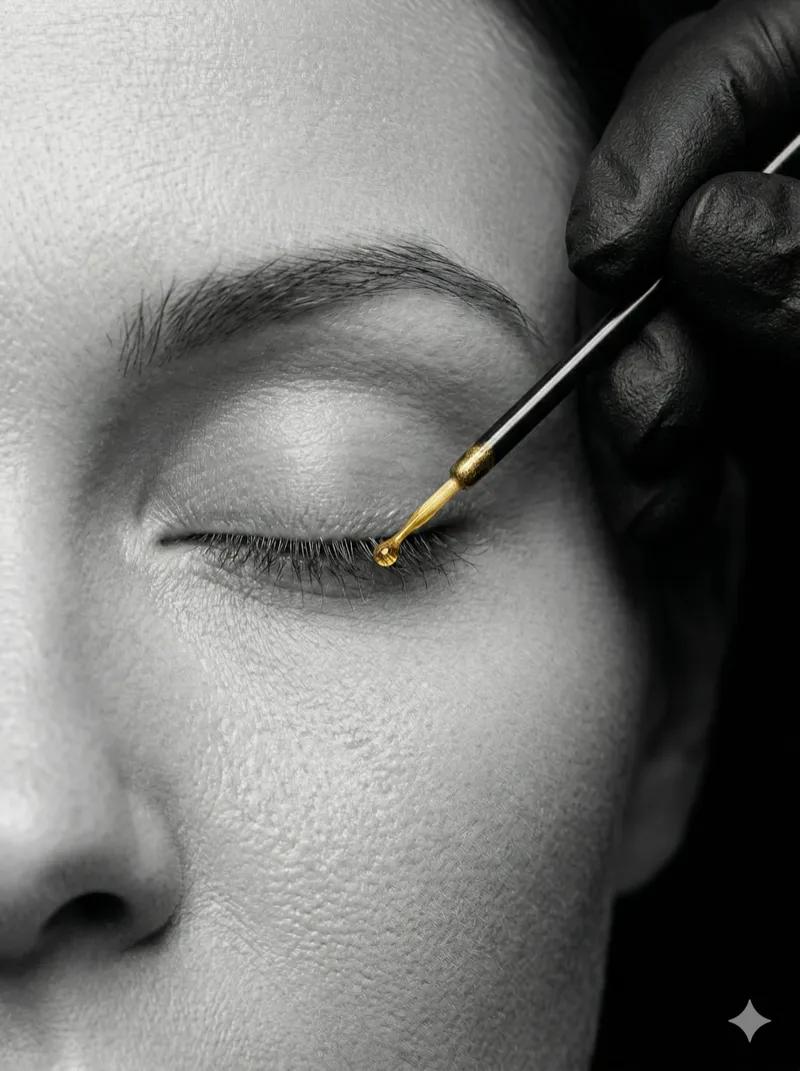
Losing the odd lash in the days after a lash lift is one of the most common worries for anyone new to the treatment.
Losing the odd lash in the days after a lash lift is one of the most common worries for anyone new to the treatment. The short answer: a little shedding during the first 7 days is completely normal and is down to the natural lash cycle, not a mistake in the treatment. That said, there's a clear difference between expected shedding and the kind that points to a genuine technical problem. This guide breaks down both scenarios with concrete figures so you can tell them apart with confidence.
What happens to your lashes during a lash lift
A lash lift in Gandia is a cosmetic treatment that curls and sets your natural lashes over a silicone shield using an active chemical solution. The active ingredient is ammonium thioglycolate at 3–7%, a reducing agent that temporarily breaks the disulphide bonds in the keratin of the lash shaft, allowing the lash to be moulded into its new curl. An oxidising solution then sets that shape semi-permanently. A lash lift is also available at our salon in Ontinyent (lash lift in Ontinyent), and while you're with us you can add a manicure with gel polish in Gandia or gel polish in Ontinyent.
During the treatment, which takes around 60 minutes, your lashes are stuck to the shield under slight mechanical tension. The process works on the lash shaft, not on the hair follicle, so it doesn't interrupt the growth cycle. When processing times and product strength are right, the follicle stays intact and your lashes keep their usual strength after the session. The result of a lash lift + tint depends largely on that technical precision.
Is it normal to lose lashes after a lash lift?
Losing 1 to 5 lashes a day in the days after a lash lift is, in most cases, completely normal. Your body renews its lashes continuously, regardless of any treatment. What usually happens is that the lift coincides with the end of the natural cycle of several lashes, which then fall out over the following days as part of that biological process, not as a direct result of the treatment.
The natural lash growth cycle
Each lash goes through three distinct phases. The anagen, or active growth, phase lasts 30 to 45 days, during which the lash grows at roughly 0.12 mm a day. The catagen, or transition, phase lasts 2 to 3 weeks: growth stops and the follicle begins to shrink. The telogen, or resting, phase lasts 3 to 4 months, at the end of which the lash falls out naturally so the follicle can produce a new one.
A lash's full cycle ranges from 4 to 11 months depending on the individual. The upper lid holds between 90 and 160 lashes; the lower lid, between 70 and 80. Since a significant share of those lashes are in late telogen at any given time, it's only to be expected that a few will fall out in the days after a lift without this indicating any kind of damage.
Normal shedding vs excessive shedding
Excessive shedding after a lash lift is shedding that goes beyond normal biological limits in quantity, pattern, duration or associated symptoms. This table lets you compare the two scenarios at a glance:
| Criterion | Normal shedding after a lift | Shedding that needs attention |
|---|---|---|
| Amount per day | 1–5 lashes per eyelid | More than 5–8 lashes per eyelid |
| Pattern | Scattered across the eyelid | Concentrated: patches or bald spots |
| Timing | Days 1–7 after the treatment | Continues beyond 10–12 days |
| What the fallen lash looks like | Whole, with a bulb at the root | Snapped along the shaft, no bulb |
| Other symptoms | None | Itching, burning, redness, crusting |
| Visible regrowth | Within 4–6 weeks | None after a month |
If what you're seeing matches the left-hand column, the cause is biological, not technical.
Main causes of lash loss after a lash lift
When shedding goes beyond what's expected, experience in the treatment room points to four technical causes as the most common. Knowing them helps you understand what happened and avoid it next time.
Leaving the product on too long
Thioglycolate works by breaking the disulphide bonds in the lash keratin. If the reducing solution stays on the shield longer than it should (usually 8 to 12 minutes for the first stage, depending on the thickness and condition of the lash), the keratin is overprocessed and the lash becomes brittle. The result isn't a lash that falls out from the follicle but one that snaps somewhere along the shaft. This slows regrowth, because the remaining fragment has to complete its cycle before it's replaced, adding 6 to 10 weeks to the recovery compared with natural shedding.
The wrong strength of solution
Not all lashes can take the same strength of ammonium thioglycolate. Fine, fair or recently treated lashes (tint, keratin or another recent lift) need a weaker solution or shorter processing times. Using a standard formula on delicate lashes can lead to widespread breakage along the shaft. In professional practice, roughly 20–25% of cases of excessive shedding after a lift come down to not assessing the lash type properly beforehand, which shows just how important the initial consultation is.
Rough handling during the treatment
Placing the separators, sticking the lashes to the silicone shield and removing the adhesive at the end are all steps where careless handling can pull out lashes that were already in late telogen, in other words about to fall out anyway. This kind of loss is mechanical, not chemical, and in most cases it doesn't affect the follicle or later regrowth. Fewer lashes tend to be lost in this scenario, and they grow back more quickly.
Lashes that were already weakened
Lashes with built-up structural damage (from recent extensions, from lifts less than 6 weeks apart or from regular use of a heated lash curler at high temperatures) already have damaged keratin before the lift even begins. In those conditions, even with the right processing times, the chemical solution can trigger more shedding than expected. Professional practice sets a minimum gap of 6–8 weeks between lash lifts to significantly reduce this risk.
Warning signs: when lash loss is NOT normal
Lash loss after a lift is a reason to seek professional advice if you notice at least one of these signs:
- More than 5–8 lashes per eyelid a day for more than three days in a row
- Lashes snapping along the shaft: they don't fall from the follicle but come away in pieces with no bulb at the base
- Visible bald spots: patches with no lashes where density used to be even
- No visible regrowth after 4–6 weeks since the initial shedding
- Persistent irritation: itching, redness, stinging or a burning sensation on the eyelid or along the lash line
- Flaking or crusting at the lash roots
These signs may point to a reaction to the product, follicle damage or, less commonly, an underlying condition such as localised alopecia areata, which should be assessed by a doctor. The beauty therapists at our Gandia salon and Ontinyent salon are happy to see you in person to check how the shedding is progressing and advise you on the best next steps.
How to prevent lash loss after a lash lift
Most cases of excessive shedding after a lift can be prevented with the right preparation before your appointment and proper aftercare. These are the factors that have the biggest impact on the final result:
Before your appointment:
- Tell your therapist your full lash history: previous extensions, how often you've had lifts, use of a heated curler, recent keratin treatments or tints
- Come to your appointment without make-up or mascara residue
- If your lashes are noticeably weak or dry, ask whether it's worth postponing the treatment for 2–3 weeks or having a nourishing treatment first
- Leave at least 6–8 weeks between lifts
After your appointment:
- Avoid water, steam, swimming pools and saunas for the first 24–48 hours
- Don't rub your eyes or touch your lashes for the first two days
- From day three, add a nourishing lash serum (with biotin, argan oil or keratin peptides), applying it at the root with a clean cotton bud
- Use make-up removers without mineral oil around the eyes so you don't weaken the lash shaft
For the complete aftercare routine, our guide to lash lift aftercare covers everything in detail. If your treatment includes a tint, lash lift and tint aftercare adds a few extra points specific to that finish.
What to do if you're losing too many lashes
If your shedding goes beyond normal limits, this is the most effective course of action:
- Don't rub or pull at your remaining lashes. Handling them can pull out lashes in the telogen phase that wouldn't have fallen out naturally yet.
- Get in touch with the salon where you had the treatment. A professional can tell whether the shedding is part of the normal cycle or the result of a technical error, and adjust the protocol for your next session accordingly.
- Start a nourishing routine. Serums with keratin peptides, castor oil or biotin, applied at the root every night, can support regrowth and strengthen active follicles.
- Put any further intensive treatments on hold (another lift, extensions, tint) until your lashes have recovered enough density and strength.
- See a doctor if there's no regrowth after 6–8 weeks or if the irritation on your eyelid persists.
Under normal conditions, regrowth starts to show between weeks 4 and 6 after shedding. At around 0.12 mm a day, it takes 2 to 4 months for a lash to reach its usual length. Before booking another session, you might find it useful to read our article on a lash lift that didn't curl to see whether your treatment history is affecting the overall result.
If you're unsure which option suits fragile lashes best, our comparison of lash lift vs lash extensions will help you make a well-informed decision.
Frequently asked questions
How many lashes is it normal to lose after a lash lift?
Losing 1 to 5 lashes a day during the first 7 days after a lift is considered normal, as long as the loss is scattered across the eyelid, the lashes come out whole with the bulb at the base and there's no itching or redness. The upper lid holds between 90 and 160 lashes, so losing 3–4 a day for a week is less than 5% of the total and is down to the natural renewal cycle, regardless of the lift. You have reason to be concerned if you lose more than 5–8 lashes per eyelid a day for more than three days in a row, or if visible bald patches appear. In that case, get in touch with the therapist who did your treatment so she can rule out a technical cause or a reaction to the product before more days go by.
How long do lashes take to grow back after falling out following a lift?
After a lash falls out naturally, regrowth becomes visible within 4 to 6 weeks. Lashes grow at roughly 0.12 mm a day, which is about 3.6 mm a month. Getting back to full length takes 2 to 4 months, depending on your individual cycle. If the lash snapped along the shaft rather than falling from the follicle (which happens when the product is left on too long), recovery takes longer: the fragment left in the follicle has to complete its cycle before it's shed and replaced, which can delay regrowth by an extra 6 to 10 weeks. Applying a nourishing serum at the root every night during that time can support the follicle and improve the quality of the new lash as it grows.
Does a lash lift weaken your lashes in the long term?
A properly performed lash lift doesn't weaken your lashes in the long term. The treatment temporarily alters the disulphide bonds in the keratin of the lash shaft, but the hair follicle isn't affected when processing times and thioglycolate strength suit your lash type. However, lifts done more often than recommended (less than 6 weeks apart) or on lashes that are already damaged can gradually wear down the protein structure of the shaft. Industry data gathered in 2025–2026 indicates that 90% of cases of progressive weakening are caused by skipping the minimum interval between treatments or by lifting lashes already compromised by extensions or intensive heat treatments. Our article on lash lift myths looks at this and other common beliefs about the treatment in more detail.
Can I have another lash lift if I've lost lashes?
It depends on the type and amount of shedding. If the loss was slight and part of the natural renewal cycle, you can usually repeat the lift after 6–8 weeks, once your lashes have recovered enough density and strength. If the shedding was significant (with broken lashes or visible bald spots), it's best to wait 10 to 12 weeks and have your therapist assess the current condition of the lash shaft before confirming a new session, adjusting the product strength and processing time to suit. A lash lift + tint at Adrian Beauty Studio includes that initial assessment as part of the appointment, so we can adapt the protocol to each client's lashes and keep the risk of problems to a minimum.
Is a lash lift or extensions better if my lashes are fragile?
For fragile lashes, a lift is usually the gentler option, for two specific reasons. First, a lift doesn't add any extra weight to the natural lash; it works only with the lash you already have. Extensions, on the other hand, add an extra fibre that constantly pulls on the follicle, which can speed up shedding in lashes that are already weak. Second, the regular maintenance extensions need involves removals that can take natural lashes in late telogen with them, reducing overall density over time. That said, if your lashes are very damaged, no chemical treatment (a lift included) is advisable until they've regained their strength. You'll find a full comparison of both options, with clear guidance on which to choose for your lash type, in our article on lash lift vs lash extensions.
Noticed unusual shedding after your last treatment? The beauty therapists at our Gandia salon and Ontinyent salon can take a look at a consultation and advise you on the best next steps for the current condition of your lashes.
Quick reference: lash treatments
| Treatment | Effect | Lasts | Maintenance |
|---|---|---|---|
| Lash lift + tint | Curl + colour | 6-8 wks | None |
| Classic extensions | Natural volume | 5-7 days | None |
| Tint only | Colour | 3-4 wks | None |