Lash lift didn't curl? Why it happens and what to do
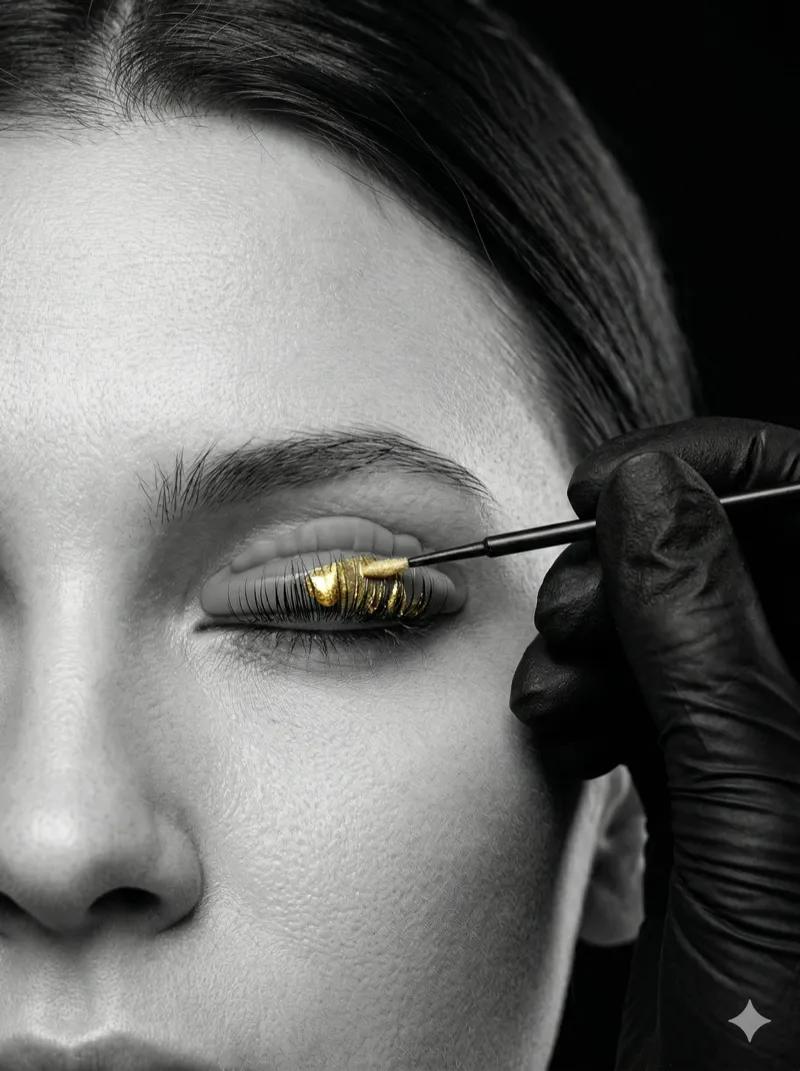
A lash lift with no curl comes down to one or more things going wrong in the semi-permanent curling process: the wrong silicone rod, incorrect processing time, poorly prepared lashes or a product past its best.
When a lash lift in Gandia leaves you with no curl, it's down to one or more things going wrong in the semi-permanent curling process: the wrong silicone rod, incorrect processing time, poorly prepared lashes or a product past its best. Pinning down the exact cause is what decides whether the treatment can be redone soon or whether you need to wait for a full recovery cycle. A lash lift is also available at our salon in Ontinyent (lash lift in Ontinyent), and both salons offer manicures with gel polish in Gandia and gel polish in Ontinyent.
What a lash lift is and how the curling process works
A lash lift is a semi-permanent cosmetic curling treatment that changes the inner structure of the hair through a controlled chemical reaction. It works in three stages: a thioglycolate solution breaks the disulphide bonds that keep the lash rigid; a silicone rod holds the lash in the desired curl while the product works; and a neutraliser rebuilds the protein bonds, setting the new shape. Active processing time ranges from 8 to 14 minutes depending on the thickness, length and history of the lash. When all three stages are carried out correctly, the curl lasts 6 to 8 weeks. If any stage fails (whether through a technical error, the wrong materials or the nature of the lash itself), the result can be a weak, uneven or barely visible curl.
For a full overview of the treatment, see what a lash lift is and how long it lasts.
7 reasons a lash lift doesn't curl properly
From our experience in the treatment room, around 40% of disappointing lash lifts are caused by choosing the wrong silicone rod. Next come processing-time errors, behind roughly 25% of failures, and poor lash preparation, a factor in 20% of cases. The remaining 15% covers things like out-of-date products, incorrect technique or the nature of the lash itself. Here's each cause and how to spot it.
A silicone rod that's the wrong size for your lash length
The silicone rod is the mould that sets the curl of the lift. There are three main sizes (S, M and L) for different lengths: S for 4–6 mm lashes and a pronounced curl, M for 7–10 mm and a medium curl, and L for lashes over 10 mm with a soft, natural curl. Using a large rod on short lashes stops them wrapping around the mould properly, leaving a flat or barely noticeable curl. On the other hand, a rod that's too small can create an excessive or unnatural curl. Choosing the right size is the first technical decision that makes or breaks the result, and in our experience it's the most common mistake of all.
Processing time too short or too long
The perming solution needs a precise amount of time: 8 to 10 minutes on fine or fair lashes, 10 to 12 minutes on lashes of normal thickness and up to 14 minutes on thick, dark lashes. Too little time means the disulphide bonds haven't fully broken, and the lash springs back to its natural shape when neutralised. Too much time can overprocess the lash, leaving it straight or brittle. Room temperature also affects how fast the reaction happens: it slows down in the cold and can speed up in summer. A professional therapist adjusts the timing based on her assessment in the treatment room rather than using a fixed time for every client.
Lashes coated in oil, cream or make-up residue
Any layer of eye cream, oil-based serum, make-up or leftover make-up remover acts as a physical barrier, stopping the chemical solution from penetrating the lash evenly. The result is an uneven lift: some lashes curl and others don't absorb the product. Before your appointment, cleanse the area with an oil-free gel make-up remover and avoid putting any products around your eyes for at least 24 hours beforehand. Your therapist will do a thorough cleanse in the treatment room, but if your lashes arrive heavily coated in product, the result may be compromised from the start.
Out-of-date or deteriorated products
Lash lift solutions contain active ingredients that lose their strength over time or if they're stored badly. A bottle opened more than six months ago and kept somewhere humid or warm may have lost 30 to 40% of its potency. The result is a minimal curl or none at all, even when the protocol was followed perfectly. Busy salons replace their stock regularly, which reduces this risk. Signs that a product has gone off include a change in texture, a different smell when you open it or visible separation in the liquid.
Lashes not stuck properly to the silicone rod
Every lash has to lie completely flat against the rod, with no kinks, folds or gaps. If they're not stuck down perfectly, the parts that aren't touching the rod don't take the curl, leaving lashes that only curl at the root or patches of the lash line with a lift and patches without. Done properly, this stage can take 10 to 15 minutes, because it needs skill, good lighting and enough time. Rushing it is a direct cause of many uneven or incomplete results.
Natural lashes that are too short, fine or damaged
A lash lift needs lashes at least 4–5 mm long so they have enough contact with the rod for the curl to show. On shorter lashes, the result tends to be minimal. Very fine lashes, or lashes damaged by frequent extensions or by lifts without enough of a break in between, also respond less well, because the weakened protein fibre doesn't hold its new shape as well. In these cases, the answer isn't to repeat the lift straight away but to wait for the natural renewal cycle: lashes take 60 to 90 days to renew completely. To compare a lash lift with other enhancement options, see lash lift vs lash extensions.
Incorrect technique or lack of professional experience
Even with the best products and the right rod, it's the therapist's skill that brings all of the above together. Placing the rod too far from the root, applying too little solution or not neutralising fully all lead to poor results, whatever materials are used. A lash lift is a technically demanding treatment that calls for specific training, ongoing practice and a protocol kept up to date with current formulas. You can see the difference between a genuinely experienced salon and an inexperienced one in the curl itself.
What to do if your lash lift hasn't curled as you hoped
Before you decide anything, give it time: freshly treated lashes can take up to 48–72 hours to show their final curl. In the first few hours the lash is still settling, and the result may look less dramatic than expected. If after 72 hours the curl is still weak or non-existent, these are the recommended steps:
- Get in touch with the salon where you had the treatment. A competent professional will want to see the result in person and, if the lift failed because of a technical error, should offer you a solution.
- Don't rush to have it redone at another salon without an assessment. Without knowing whether the product actually penetrated the lash, acting too soon can lead to chemical overexposure.
- Review your preparation for next time. Working out whether you arrived with cream, oil or make-up on your lashes means you can put that right at your next visit.
For aftercare, whether or not you were happy with the result, see lash lift aftercare.
How long to wait before redoing a failed lash lift
The minimum safe gap between lifts is 6 weeks, and 6 to 8 weeks is recommended. This isn't an arbitrary figure: the protein structure of the lash needs to recover from its exposure to the thioglycolate solution, even if the visible result was poor. Repeating the treatment sooner can cause cumulative damage: loss of elasticity, excessive dryness or lashes falling out early.
Where the failure was solely because the product didn't penetrate (because of oil on the lashes or a faulty product) and there was no real chemical reaction on the lash, some professionals may consider shortening the gap slightly. But only after a hands-on check in the treatment room, never as your own decision.
The natural lash renewal cycle takes 60 to 90 days: in that time a significant share of your lashes will have been completely replaced, and your next session will be working with new, healthy lashes. For specific aftercare following a lash lift and tint, see lash lift and tint aftercare.
How to choose a professional salon and avoid a lash lift with no curl
A good salon for a lash lift in Gandia or Ontinyent should tick several quality boxes that go beyond price or décor. Industry standards point to these key factors:
- A lash assessment beforehand: the therapist checks the length, thickness and condition of your lashes before choosing the rod and timings. Without this step, there's no real personalisation.
- A thorough cleansing routine: the lash line is degreased with dedicated products before the application.
- Rods in several sizes: a salon that only uses one size of mould can't adapt the result to each client's lashes.
- Fresh product stock: formulas in active use, not old bottles that have been open to the air for months.
- Enough time booked: a proper lash lift can't be done in less than 45–50 minutes. A shorter appointment means the protocol is being cut short.
At our Gandia salon and Adrian Beauty Studio in Ontinyent, our lash lift + tint service includes a lash assessment beforehand and a personalised choice of rod at every session. To find out what else sets a good professional apart, read how to choose a beauty salon you can trust.
FAQs about a lash lift that didn't curl
Can a lash lift that didn't curl be fixed?
It depends on why it failed. If the product didn't penetrate the lash because of oil or a faulty product, your lashes may be in good condition and, after an assessment in the treatment room, some professionals will consider redoing it more cautiously and with more thorough preparation. If the treatment did work chemically but the result wasn't enough (because of the wrong rod or too short a processing time), your lashes have already taken the chemical load and need the standard 6- to 8-week recovery period before any new treatment. A hands-on assessment by a professional therapist is the only reliable way to decide what to do next. Acting without it can leave your lashes in worse condition and make it harder to get a good result at the next session.
How long do I need to wait before having another lash lift?
The minimum safe gap between lifts is 6 weeks, and 6 to 8 weeks is recommended. This gives the protein structure of the lash time to recover from its exposure to thioglycolate, whatever the visible result. Where the failure was purely down to outside factors (leftover oil or a faulty product) and there was no real chemical penetration into the lash, some professionals may consider shortening this slightly, but always after checking in person first. Repeating a lift straight away increases the risk of overprocessing the lash, causing dryness, loss of elasticity and possibly early shedding. The natural lash renewal cycle takes 60 to 90 days, so waiting the full interval means working with lashes in good condition.
Does a lash lift work on very short or fine lashes?
A lash lift needs lashes at least 4–5 mm long for the curl to be visible. On shorter lashes there isn't enough contact with the rod, and the result tends to be minimal or barely noticeable. Very fine lashes also respond less well: there's less protein to work on, which limits how well the new shape holds. That doesn't mean the treatment is impossible; the professional needs to use a size S rod, reduce the processing time and be honest about what to expect before starting. For some clients, adding a tint in the same appointment makes the curl look more defined, even if it's moderate. Find out more about the combination in lash lift + tint.
Can a lash lift damage your lashes if it's repeated too soon?
Yes. Repeating a lift before 6 weeks exposes the lash to a second dose of thioglycolate before the disulphide bonds have fully stabilised. The result can be overprocessed lashes: dry, brittle, lacking elasticity or prone to bending rather than curling. In extreme cases, overprocessing can make lashes fall out early. The risk is higher for lashes already weakened by frequent previous treatments or recent extensions. If you're unsure about the condition of your lashes, the safest option is to wait for the full renewal cycle (60 to 90 days) and arrive at your next session with healthy lashes. For more on aftercare, see lash lift aftercare.
What's the difference between a failed lash lift and one with too little curl?
A failed lash lift is one where the lashes show no noticeable change from their natural state, usually because the product didn't penetrate the lash or the protocol wasn't completed properly. A lift with too little curl, on the other hand, did trigger a chemical reaction, but the result is less than expected: this is usually down to a rod that was too big, too short a processing time or particularly resistant lashes. The distinction matters because each scenario affects what you do next: in the first, the lashes may not have taken any real chemical load and there's more room to act sooner; in the second, the lashes have already been processed and need the full recovery period. To clear up other common questions about the treatment, see lash lift myths and facts.
A lash lift that didn't curl is frustrating, but with the right diagnosis it can be put right. At Adrian Beauty Studio, with salons in Gandia and Ontinyent, every lash lift + tint session starts with a lash assessment to make sure the treatment suits each client. If you have questions about your own lashes, book ahead and tell us your history: that information makes all the difference to the result.
Quick reference: lash treatments
| Treatment | Effect | Lasts | Maintenance |
|---|---|---|---|
| Lash lift + tint | Curl + colour | 6-8 wks | None |
| Classic extensions | Natural volume | 5-7 days | None |
| Tint only | Colour | 3-4 wks | None |