Lash lift myths and facts: what is true and what is not
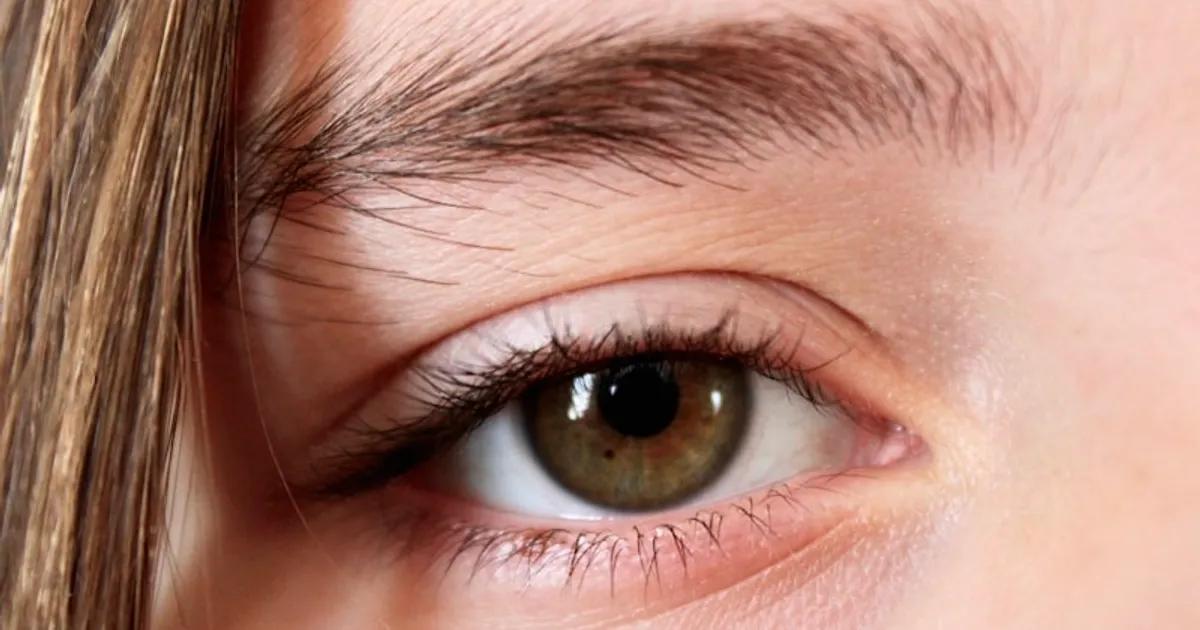
Does a lash lift damage your lashes, hurt or only last a week? We clear up the most common myths with real salon experience, plus what to expect before, during and after.
A lash lift in Gandia raises more questions than almost any other eye treatment. Does it damage your own lashes? Does it really last, or is it gone in days? Does it hurt? Does it only work on certain lashes? Below we clear up the most common myths with real experience from the salon, and explain what to expect before, during and after. Also available: lash lift in Ontinyent.
What is a lash lift?
What it is and how it works
A lash lift is a semi-permanent treatment that curls and lifts your natural lashes from the root using a perm formula made specifically for lashes. The result is more open, expressive eyes, without adding a single false lash or changing the colour.
The treatment starts by cleansing the area and placing a silicone pad on the eyelid. The lashes are stuck to the pad in the chosen curl and two solutions are applied one after the other: first a lifting lotion that changes the inner structure of the lash, then a setting lotion that fixes the new shape. The full appointment takes about 45 minutes without tint (€29) or 60 minutes with tint (€38).
How it differs from lash extensions and lash tint
It is worth being clear about what each technique does, because they are often confused:
- Lash lift: works on your own lashes, curling and lifting them. It adds no artificial hair and does not change the colour.
- Lash extensions (not offered at our salons): a synthetic extension is glued to each natural lash. Volume and length are greater, but they need maintenance every 2-3 weeks. You can see the differences in detail in our guide to lash lift vs lash extensions.
- Lash tint: changes the colour of your natural lashes (from brown to black, for example). It does not change the curl or the direction they grow in.
A lift can be combined with tint in the same session to boost the result. If you are not sure whether to have it with or without colour, our article on lash lift with or without tint will help you decide.
Myth 1: "A lash lift damages your natural lashes"
There is an idea that any chemical put on your lashes ruins them for good. Is there any truth in it?
The truth behind the myth
The lash lift solutions act on the disulphide bonds in the keratin of the lash to change its shape, exactly the same mechanism as a hair perm. When it is done with the right timings and professional-quality products, the lashes suffer no noticeable damage.
Damage does happen in specific situations: leaving the lotion on too long, treating lashes that are already badly damaged without assessing them first, or repeating it too often. It is the difference between a trained professional who adapts the process to each client and a DIY kit with no control over timing.
How to protect your lashes
- If you have been wearing waterproof mascara every day for a while, your lashes may be a little dry. Mention it at your appointment so the technician can adjust the processing times.
- Between treatments, condition your lashes with a lash serum or castor oil at night.
- Do not repeat the lift until at least 6-8 weeks have passed. Lashes need time to renew normally.
Myth 2: "It only lasts a week"
This myth usually comes from a badly handled experience or unrealistic expectations. The real duration is much longer.
How long a lash lift really lasts
Under normal conditions, the curl from a lash lift lasts 6 to 8 weeks. The result does not "drop" as such: the treated lashes simply follow their natural growth cycle. As they are replaced, the new lashes grow in straight. That is why how long it lasts varies with each person's renewal rate.
If someone says their lift lasted less than two weeks, the most likely reason is that the aftercare for the first 48 hours was not followed: contact with water, shower steam, rubbing the eyes or using an oily make-up remover too soon after the treatment.
What affects how long it lasts
- Your own renewal cycle: some people's lashes renew faster than others.
- Aftercare straight after: the first 24-48 hours decide whether the setting takes properly.
- Type of lash: fine lashes respond differently from thicker, stronger ones.
- Environment: pool chlorine and strong sun speed up the loss of curl over time.
- Products you use: oil-based or harsh bi-phase removers gradually loosen the setting.
Myth 3: "It really hurts"
Being nervous about anything "chemical" near your eyes is understandable. But the reality of the treatment is very different from what most people imagine.
What you actually feel
A lash lift does not hurt. The most common sensation is slight pressure when the silicone pad is placed on the eyelid, and people with very sensitive skin may feel a very mild, brief tingling when the solutions go on. The rest of the time your eyes stay closed and the main sensation is simply of something stuck to your eyelid; many clients take the chance to rest.
If at any point you feel strong burning or discomfort that does not go away, say so straight away. A good technician will always adapt the process or stop if needed.
How to keep discomfort to a minimum
- Come without contact lenses or eye make-up on the day.
- If your eyes are particularly sensitive or there is any irritation in the area, say so before starting.
- Do not rub your eyes in the hours before; arriving with the area calm makes the process more comfortable from the start.
Myth 4: "It's not for everyone"
Some people believe a lash lift only works on long, thick lashes, or only on certain eye shapes. It is a common misunderstanding that rules out many people who would be ideal candidates.
Who can have a lash lift
A lash lift works on most lash types: short, medium or long, as long as there is enough length to stick them to the pad (around 4 mm as a minimum). It is especially useful if your lashes grow downwards or very straight, because the visual change is striking: from heavy, tired-looking eyes to open, expressive ones.
The technician chooses the size of the pad (small, medium or large) according to the length of your lashes and the curl you want. That choice allows for a natural or a more dramatic result, depending on your preference.
Real contraindications
These are the situations where it is best to wait or not have a lash lift:
- Recent eye surgery (LASIK, cataracts or other): check with your ophthalmologist; the usual advice is to wait at least 6 months.
- Active infections in the area (stye, conjunctivitis, blepharitis): wait until they have fully cleared.
- Known allergy to the ingredients (thioglycolate, silicone adhesives): do a patch test on the forearm at least 48 hours beforehand.
- Very short or badly damaged lashes, from previous harsh treatments or from hair loss due to illness.
- Medical treatments that weaken hair (chemotherapy, some hormonal medication): check with your doctor first.
If you have any doubts about your own situation, the Adrian Beauty Studio team can advise you before you book, both at our salon in Gandia and at our salon in Ontinyent.
Key facts about lash lifts
Realistic results and expectations
A lash lift lifts, curls and visually lengthens the lashes you already have. It does not add volume or density: if your lashes are very sparse, a lift will not change that. It enhances what is there, but it cannot create what is not. If you want more density or dramatic length, extensions are the option for that (a service we do not offer).
Straight after the treatment, the result can look very strong. Over the first 2-3 days the curl settles and the final look stabilises. It is completely normal for the curl to look "too much" in the first few hours: relaxing a little the next day is part of the natural settling process.
If you want to add more definition and colour, a tint in the same session is an excellent option. Read more in our article on the lash lift and tint.
Essential before your appointment
- Come with a clean eye area: no make-up or traces of mascara.
- If you usually wear waterproof mascara, stop at least 48 hours before. It is hard to remove and can interfere with how the pad and solutions adhere.
- Do not use an eyelash curler in the days before your appointment.
- If your lashes are dry or brittle, apply a nourishing oil at night in the days before so they arrive in better condition.
Aftercare after a lash lift
The first 24-48 hours are crucial for the setting to take properly and for the result to last as expected:
- Keep your lashes completely dry for the first 24-48 hours: do not put your face directly under the shower, and avoid saunas, steam and very humid places.
- Do not rub your eyes, with your fingers, cotton pads or towels.
- No eye make-up for the first 24 hours.
- From the second day you can wear normal mascara (preferably not waterproof), applying it from the middle to the tips without loading the roots.
- Always remove make-up with gentle, vertical strokes (from root to tip), without rubbing or circular movements.
For a full maintenance guide, see our article on lash care after a lash lift.
Is a lash lift right for you?
If you want more open eyes without spending a few minutes every morning on the curler and mascara, and your own lashes are in good condition, a lash lift is probably the most efficient option in terms of maintenance and visible result.
It suits these profiles particularly well:
- Lashes that grow downwards or very straight and flatten your look.
- An active lifestyle (sport, beach, pool) that makes extensions hard to keep up.
- A preference for a natural-looking result rather than an artificial one.
- Wanting a simpler morning routine without giving up defined eyes.
On the other hand, if what you want is density and dramatic length, extensions will be closer to your expectations. Our guide to lash lift vs lash extensions can help you compare both calmly.
You can see all the details of the service, including the options available, on our professional lash lift page.
Lash lift: frequently asked questions
Does a lash lift hurt?
No. For the vast majority of people it is practically painless. The main sensation is light pressure from the silicone pad on the eyelid and, occasionally, a very brief tingle when the solutions are applied on particularly sensitive skin. Your eyes stay closed for almost the whole treatment. If at any point you feel strong burning or discomfort that does not ease, say so straight away so the technician can adjust or stop; the eye area is delicate and any unusual sign deserves immediate attention.
How long does a lash lift last?
6 to 8 weeks in most cases. The variation comes from the natural renewal cycle of the lashes: when the curled lashes are replaced by new ones, these grow in without a curl. What shortens it most is getting your lashes wet in the first 24-48 hours, regularly using very oily make-up removers, and ongoing exposure to chlorine or strong sun. Following the aftercare is what makes the biggest difference to how long the result lasts.
Can I have a lash lift if my lashes are fragile?
In many cases yes, but it needs assessing first and adapting the process. Fragile lashes are not an automatic contraindication, but the technician should shorten the processing time and may apply a nourishing treatment at the end. If they are badly damaged (for example after wearing extensions for a long time without a break, or daily waterproof mascara for months), it may be wiser to wait a few weeks, nourish your lashes and come back when they are in better condition. The aim is always to protect the health of your natural lashes.
How do I look after a lash lift afterwards?
The essentials are: no water or steam for the first 24-48 hours, no rubbing your eyes when removing make-up, an eye make-up remover used with gentle downward strokes, non-waterproof mascara (easier to remove without pressure), and a lash serum or castor oil every night between appointments. Giving up the eyelash curler also helps to keep the treated shape. All these steps are explained in detail in our guide to lash care after a lash lift.
Who should not have a lash lift?
The main contraindications are: recent eye surgery (check with your ophthalmologist and wait the recommended time, usually at least 6 months), active eye or eyelid infections such as conjunctivitis or a stye, a known allergy to thioglycolate or other ingredients in the product, and extremely short or badly damaged lashes that cannot be stuck to the pad properly. Caution is also advised if you are on medical treatment that affects hair strength. If in doubt, ask before booking: going ahead in less than ideal conditions is never worth the risk.
How often can I repeat a lash lift?
Every 6-8 weeks is recommended, in line with the natural renewal cycle of your lashes. Repeating it sooner does not speed up or improve the result; it just puts your lashes through an unnecessary chemical treatment that can weaken their structure. If the curl has almost completely gone at 6 weeks, that is the right time to repeat. If there is still a visible effect, wait until it is more subtle before booking the next appointment.
If you still have questions about whether a lash lift is right for you after reading all this, we are happy to advise you before you book at Adrian Beauty Studio. Just ask, with no obligation, at our salon in Gandia or our salon in Ontinyent.
Quick reference: lash treatments
| Treatment | Effect | Lasts | Maintenance |
|---|---|---|---|
| Lash lift + tint | Curl + colour | 6-8 wks | None |
| Lash lift without tint | Curl | 6-8 wks | None |
| Tint only | Colour | 3-4 wks | None |