Semigel pros and cons: what it is and when to choose it (now gel overlay without extension)
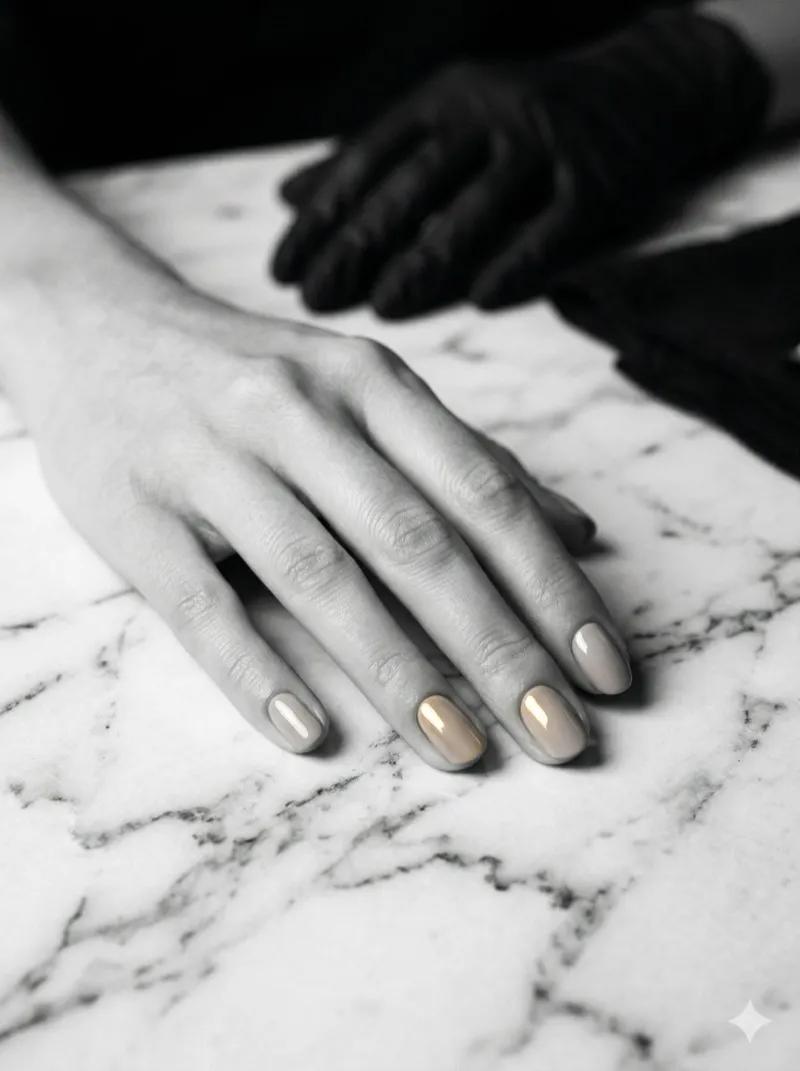
Semigel gives real staying power without sacrificing the health of your natural nail. Today you book it as short gel nails with no extension: €30 and 55 minutes.
A note on the name (October 2026). What this guide calls "semigel" now appears on our menu as maintenance gel on the natural nail: the same product and the same technique as always, booked as gel nails, short length, maintenance (no extension) — €30 and 55 minutes. It isn't a separate service, and we've kept the name "semigel" here because it's what our clients have always asked for.
Semigel — now our maintenance gel on the natural nail, similar to what you may know as a gel overlay or BIAB — is the manicure in Gandia that has grown most in recent years among people who want real staying power without sacrificing the health of their natural nail. It combines the ease of gel polish in Gandia with the strength of a soft gel, giving 3 to 4 weeks of flawless finish and a removal that doesn't damage the nail. In this guide we explain exactly what it is, when to choose it over other options and how to look after it to get the most out of it. Also available: gel polish in Ontinyent and manicures in Ontinyent.
What Is Semigel? Technique and Composition
Semigel is a hybrid system made with low-molecular-weight oligomers — light-curing resins — that harden under LED or UV light. Unlike a hard builder gel, it's designed to be applied in very thin layers directly onto the natural nail, with no forms, tips or extensions.
The secret of how well it performs is the balance between rigidity and flexibility. Semigel creates a solid but elastic film that absorbs everyday knocks (typing, cooking, opening packets) without cracking or coming away. That middle ground is what sets it apart from regular polish — too soft — and from hard gel — too rigid for nails that don't need structure.
Curing under an LED lamp takes around 30-60 seconds per coat (or about 2 minutes under a conventional UV lamp). The result is a glossy, even finish bonded to the nail that stays stable for weeks without yellowing or losing colour.
Semigel, Gel and Acrylic: the Differences
Before you decide, it helps to be clear about where each technique fits:
- Semigel: a thin layer on the natural nail. It doesn't build structure or add length. Lasts around 3-4 weeks. Removed by soaking in acetone. Almost weightless.
- Traditional (hard) gel: lets you build extensions, rebuild tips and add thickness. It doesn't dissolve in acetone; it's removed by e-filing. Heavier and more rigid. If you're interested in this technique, we have a complete guide to gel nails.
- Acrylic: a mix of powder and liquid monomer that hardens in the air. Maximum building power and strength. Ideal for extreme lengths and sculpted shapes (coffin, stiletto, almond). All the details are in our guide to acrylic nails.
The key difference is the purpose: semigel strengthens and beautifies without changing the structure, while gel and acrylic are designed to build and lengthen. For a more detailed comparison of the three techniques, see our technique comparison.
How Semigel Is Applied, Step by Step
Knowing what happens during the appointment takes away the uncertainty. This is the usual process:
- Nail prep: any old polish is removed and a basic manicure is done: cuticles gently pushed back with an orange stick, nails filed to the shape you want and the surface shine removed with a fine buffer (180-240).
- Dehydrator and primer: a dehydrator removes the natural oils from the nail plate, followed by a primer (if the formula needs it) for maximum grip. This step is the difference between a semigel that lasts 2 weeks and one that lasts 4.
- Base coat: a thin layer of semigel-specific base, cured under the LED lamp for about 30-60 seconds.
- Colour (two thin coats): your chosen shade goes on in two passes, each cured separately. For more elaborate designs (ombré, stamping, freehand nail art), this is where the nail art happens.
- Top coat: seals everything with a high shine and extra protection. Final cure.
- Wiping the inhibition layer: the sticky residue is removed with a cleanser, leaving a smooth, glossy, completely dry finish.
The whole process takes around 55 minutes. If you're coming in with old polish or need a removal first, mention it when you book so the extra time can be allowed for.
The Pros of Semigel: Why It's Such a Good Option
Longer-Lasting and Tougher
A well-applied semigel stays intact for 3 to 4 weeks with no chips, lifting or loss of shine. The polymer network formed during LED curing is considerably denser than that of standard gel polish, which usually lasts 2-3 weeks.
That extra week may not sound like much, but for many clients it's the difference between a relaxed monthly visit and squeezing in an appointment every fortnight. It's a long-lasting manicure that fits a busy life.
It Protects Your Natural Nails
Semigel acts as a protective shield over the nail plate. As it doesn't need deep filing of the surface or building with monomers, the nail suffers minimal wear compared with extension techniques.
People with thin nails that peel or break easily find semigel a practical ally: it strengthens enough to prevent breaks without the maintenance commitment that acrylics demand. If your nails are particularly weak, a repair manicure beforehand can improve the results even further.
Easy Removal Without Damage
Unlike hard gel — which has to be filed off almost entirely with an e-file — semigel is removed by soaking in acetone for about 10-15 minutes. The product softens and lifts off with a metal pusher, with no aggressive filing.
This safe removal process is one of the things that does most to keep the nail healthy in the long term. Every aggressive removal causes tiny cumulative injuries to the nail surface; with semigel, that damage is kept to a minimum.
Plenty of Designs and Colours
Semigel takes the same range of finishes as any professional system: solid colours, classic French and babyboomer, ombré, mirror effect, glitter, stamping and stickers or freehand designs. The range of shades is huge, and because it's lamp-cured, colours stay true for the whole time you wear it without yellowing.
If you're after inspiration for your next appointment, have a look at our article on nail art trends.
Semigel vs Other Manicure Techniques
The right technique depends on what you want from your manicure: how long it lasts, length, strength, a natural look or easy upkeep. Here's a straight comparison.
Semigel vs Traditional Gel
Traditional gel stands out for building: lengthening the nail, rebuilding broken tips and creating defined shapes with controlled thickness. Semigel doesn't offer any of that; its job is to protect and beautify the nail at its natural length.
Both last around 3-4 weeks, but removal is completely different. Hard gel is filed off with an e-file (a process that needs expert hands so the nail isn't touched), while semigel is soaked in acetone and eased off gently. Semigel maintenance is quicker and less invasive.
Choose traditional gel if you need extensions, want long nails or have a broken nail that needs rebuilding.
Choose semigel if you'd rather have a natural finish on your own nail, without extensions, and a gentler removal.
Semigel vs Acrylic
Acrylic nails are the option for maximum strength and customisation. The mix of acrylic powder and liquid monomer allows extreme lengths and sculpted shapes no other system can match.
Semigel doesn't compete on that ground. Its advantage is lightness, quicker application and less cumulative impact on the natural nail. While acrylics need infills every 3-4 weeks and more involved removals, semigel offers a simpler cycle: application, 3-4 weeks of wear, a gentle removal and a fresh set straight away if you like.
Choose acrylic if you want very long nails, creative shapes (coffin, stiletto) or maximum strength for heavy manual work.
Choose semigel if you value a natural look, want easy upkeep and would rather not add artificial length.
Semigel vs OPI Regular Polish
OPI regular polish air-dries (no lamp) and lasts 5 to 7 days under normal conditions. It's perfect if you change colour every week or want a quick polish with no commitment.
The fundamental difference is how it sets: semigel cures under LED light into a bonded, stable layer, while OPI polish simply hardens as it evaporates, which makes it more vulnerable to knocks, hot water and cleaning products.
Choose OPI if you like to change colour very often or want a quick service with no lamp curing.
Choose semigel if you want 3 to 4 weeks of wear, constant shine and zero chips.
And if what you want is to look after your nails without any colour at all, you may like our manicure without polish: prep, hydration and strengthening with no polish.
Looking After Semigel
Semigel is tough, but a few basic habits make it last longer and keep the nail healthy between appointments:
- Avoid long contact with water for the first 2-4 hours after application. LED curing seals the product, but the bond fully stabilises after that time.
- Wear gloves for housework. Bleach, ammonia and solvents weaken the top coat and cause early lifting. Nitrile or latex gloves are enough.
- Use cuticle oil every day. An oil with vitamin E, jojoba or argan keeps the skin around the nail hydrated and stops dry skin from pulling at the edges.
- Don't use your nails as tools. Opening cans, scratching off labels or peeling stickers are the main causes of lifting and breaks, whatever the technique.
- Moisturise your hands often, especially in winter or if you work with air conditioning. Dry skin in general also affects how well the product grips.
- Come in for a professional removal. Peeling semigel off at home takes layers of nail with it and can leave the surface uneven for weeks. A controlled soak-off in the salon is quick and protects the nail plate.
To round off this care with a fuller daily routine, we recommend our guide to natural nail care.
Semigel FAQ
How Long Does Semigel Really Last?
Under normal conditions, a well-applied semigel lasts 3 to 4 weeks without losing shine or chipping. The exact time depends on how fast your nails grow, your daily activity (manual work vs office) and your aftercare. Clients who wear gloves for cleaning and use cuticle oil every day usually reach the fourth week comfortably. The usual limit isn't wear on the polish but visible regrowth at the cuticle, which leaves a bare strip.
Will Everyday Life Damage Semigel?
Semigel is designed to handle everyday activity without any problem: typing, cooking, showering, sport. Its flexibility lets it absorb small knocks that would chip regular polish in a few days. Where you do need to be careful is with hard direct knocks on the tip of the nail and long exposure to harsh chemicals without gloves. Occasional swims in a chlorinated pool are fine, but hours of contact every day could shorten wear by about a week.
Can I Remove Semigel at Home?
Technically yes, but from our experience in the salon, we don't recommend it. You need pure acetone, foil, cotton pads cut to size and a metal pusher. Without the right technique and patience, it's easy to end up scraping the nail surface and weakening it for weeks. In a professional salon, removal is done in a controlled way, protecting the cuticle and finishing with a hydrating treatment. The cost is small compared with the risk of damaging your nails yourself.
Is It More Expensive Than Gel or Acrylic?
It sits between gel polish and techniques with extensions: semigel (now gel without extension) costs €30, compared with €20 for gel polish and €36 for short acrylic nails. The reason is that it doesn't involve building structure, which cuts both appointment time and the amount of product used. A full removal costs the same as for gel or acrylic: €18. For up-to-date prices, visit our gel nails page (formerly semigel).
When Should I Choose Semigel?
Semigel is the best choice when you want a long-lasting manicure (3-4 weeks) without changing the length or natural shape of your nails. It's ideal if your nails are fragile and you want strength without weight, if you'd rather have a gentle removal with no aggressive filing, or if you want a flawless finish that keeps up with your daily routine. It's not the best option if you want very long nails, sculpted shapes or maximum strength for heavy manual work; in those cases, acrylic nails or gel with extensions will suit you better.
Does Semigel Work on Very Short Nails?
Yes — in fact it's one of the techniques that works best on short nails. Because it adds no bulk or length, the result on a short nail is a polished, reinforced finish that protects the free edge without looking artificial. Many clients who bite their nails or keep them very short for work find that semigel helps them grow: the protective layer prevents breaks during those first critical weeks of growth when the nail is most vulnerable.
Can I Have Semigel if I'm Allergic to Gel Ingredients?
Allergies to methacrylates — found in both gels and acrylics — are uncommon but real. Semigel contains oligomers from the methacrylate family, so if you have a diagnosed allergy to these compounds, check with your dermatologist before having any UV/LED-cured system. If your sensitivity is specifically to the liquid monomer used in acrylics, you might tolerate semigel, but this varies from person to person. If in doubt, always ask a health professional before your appointment.
Where to Get Semigel in Gandia and Ontinyent
If you're looking for semigel in Gandia or a semigel manicure in Ontinyent, at Adrian Beauty Studio our nail specialists work with top-brand products and controlled curing times to make every set last as long as possible.
At our Ontinyent salon, in the Vall d'Albaida district, and our Gandia salon, in La Safor, we give you personal advice so you can choose the technique, shade and finish that best suit your lifestyle and your nails.
If you've never had semigel and want to try it, or you're coming from another technique and thinking of switching, you can book directly on our gel nails page (formerly semigel). And if you're still not sure which technique is right for you, see our comparison of acrylic, gel and semigel or come and see us for advice in person, with no obligation.
Quick reference: types of manicure
| Type | Lasts | Appointment | Adds length? |
|---|---|---|---|
| Gel polish | 2-4 wks | 35-45 min | No |
| Gel overlay, no extension (formerly "semigel") | 3-4 wks | 55 min | No |
| Gel/Polygel with extension | 3-4 wks | 70-90 min | Yes |
| Acrylic | 3-5 wks | 80-100 min | Yes |
| OPI | 5-7 days | 30 min | No |