Common Gel Polish Problems and How to Fix Them
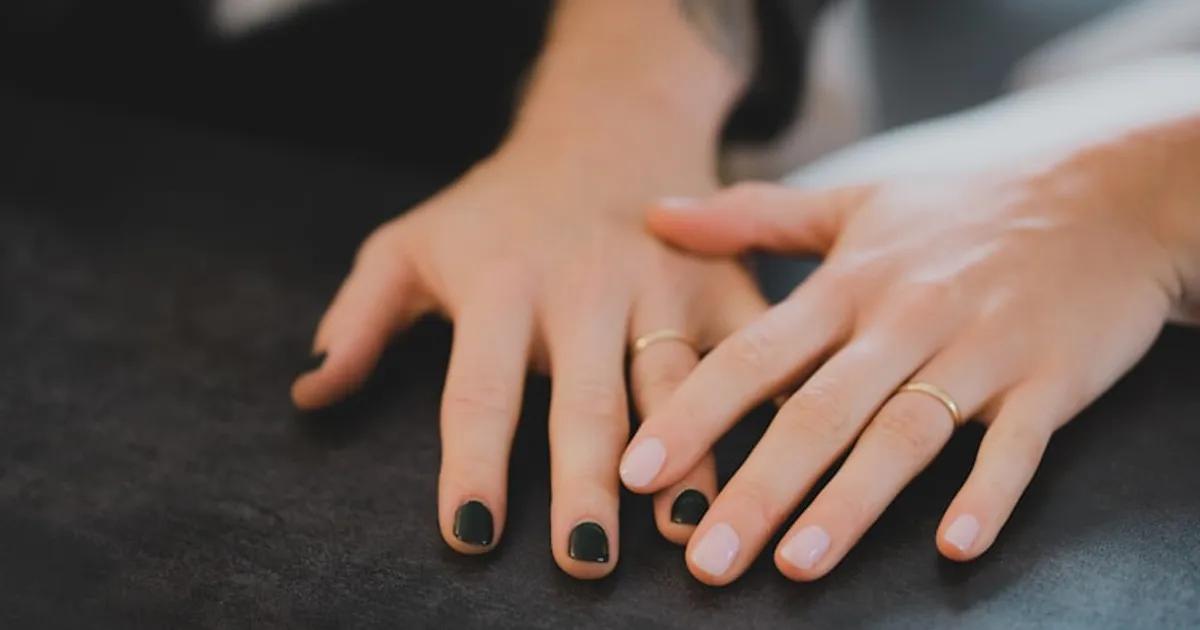
Barely a week into your gel polish and there's already a tiny flap lifting at the edge of your thumb? Lifting, bubbles and chipping almost always have a clear cause — and a clear fix.
You've had your gel polish on for barely a week and there's already a tiny flap lifting at the edge of your thumb. It's annoying, especially when you were expecting at least three weeks out of it. The good news: in most cases, early lifting, bubbles and chipping have clear causes — and equally clear fixes.
A well-applied, well-looked-after gel polish manicure should last 3 to 4 weeks without coming away. If yours doesn't make it to two weeks, it almost always comes down to prep, curing or everyday habits. Below we go through the most common problems and what to do about each one.
Why Does Gel Polish Lift?
The main causes of lifting
Lifting usually starts at the cuticle or the side walls and spreads towards the centre of the nail. The most common reasons are:
- Not enough prep on the nail plate. If the excess cuticle isn't properly removed, or the surface isn't buffed with a fine file (180-240 grit), the product has nothing to grip on to.
- Traces of oil or moisture. Putting hand cream on just before your appointment, or skipping the dehydrator (prep) before the base coat, leaves an invisible film that stops it bonding.
- Coats that are too thick. Each colour coat should be thin and even. A thick coat doesn't cure properly in the middle, which creates a weak spot.
- The free edge not sealed. If the product doesn't wrap the tip of the nail ("capping the free edge"), water seeps underneath and gradually lifts the polish.
How to prevent it at the prep stage
Before any product goes on, the nail needs to be clean, dry and lightly buffed. In the salon we use a dedicated cleanser followed by a dehydrator and, on oilier nails, an acid-free primer that improves the bond between the natural nail and the base.
If you're coming in with old polish on, mention it when you book so we can allow time to take it off. A proper full removal and repair manicure beforehand makes a real difference to how long the new set lasts.
Chipping and Breaks: Causes and Fixes
Why chipping happens
Chipping is different from lifting: the polish comes off in flakes or pieces, usually after a knock or heavy use of your hands. Typical causes include:
- Repeated knocks against hard surfaces (keyboards, metal objects).
- Poor removal at your last appointment: peeling gel polish off by hand damages the top layers of the nail, so the next set doesn't stick as well.
- Dehydrated or weakened nails, which bend more and make the rigid product crack.
Day-to-day care to avoid it
- Apply cuticle oil (jojoba, argan or vitamin E) at least once a day, massaging it in around each nail.
- Wear gloves for washing up, cleaning with bleach or handling household chemicals.
- Don't use your nails as tools: no opening cans, scraping off stickers or forcing clasps with your nail tips.
Bubbles in Gel Polish: Diagnosis and Prevention
How to spot bubbles
Bubbles show up as tiny raised dots under the surface of the polish, usually visible against the light. They're sometimes mistaken for lumps of product, but they feel smooth and rounded to the touch.
What you can do if they're already there
Once cured under the lamp, bubbles can't be removed without taking off the affected layer. If you notice them straight after your appointment, the best thing is to say so there and then so the nail technician can fix it on the spot.
Bubbles usually come from shaking the bottle instead of rolling it between your palms, or from coats so thick they trap air as they cure. In a professional salon the bottle is rolled gently and thin coats are applied with controlled strokes to keep this risk to a minimum.
Early Discolouration: Causes and Protection
What speeds up discolouration
Pale shades (white, pastel pink, nude) are the most prone to yellowing. The main causes:
- Long sun exposure without protection, especially in summer or on sunbeds.
- Frequent contact with cleaning products, hair dye or self-tan.
- Nicotine, which stains the top layer of the polish yellow.
UV protection and antioxidants
If you go for pale shades and spend time in the sun, put sun cream on the backs of your hands too (SPF 30 minimum). For jobs involving chemicals, nitrile gloves work better than latex ones because they don't transfer colour.
Prep Beforehand: The Key to Avoiding Problems
The state of your nails before the appointment
How well gel polish adheres depends directly on the condition of the natural nail. Nails with damaged layers, too much moisture or leftover product are unstable ground for any manicure.
If your nails have been weakened by harsh removals or long spells wearing acrylics, it may be worth having a recovery session before getting them done again. At Adrian Beauty Studio in Ontinyent and Adrian Beauty Studio in Gandia we check the state of the nail plate before every service so we can recommend the best option.
How to remove your old manicure properly
Never peel gel polish off by pulling at the edges. The right method is to gently file away the shiny top layer, apply acetone on cotton wrapped in foil for 10-15 minutes, and lift the softened product with an orange-wood stick without pressing. This protects the natural layers of the nail and helps the next set bond better. If you'd like a professional removal, have a look at our gel polish service, where removal is one of the options.
Shellac vs Rubber Base: The Key Differences
What each system is like and how long it lasts
Shellac (a CND trademark) is a hybrid between regular nail polish and gel. It goes on in very thin coats, cures in 60 seconds under an LED lamp and comes off easily with acetone. It usually lasts 2 to 3 weeks.
Rubber base is a gel base with a thick, elastic texture. It adds more thickness and flexibility, which helps it absorb small knocks. It typically lasts 3-4 weeks, although removal takes a little longer.
Which is better for your nails
- Thin or bendy nails: rubber base gives better support and flexes without cracking.
- Thick, strong nails: Shellac is more than enough and gives a lighter, more natural finish.
- If you want maximum wear: rubber base. If you'd rather have a quick application and easy removal: Shellac.
If you're after something with more structure, our guide to the differences between acrylic, gel and polygel compares these options in detail.
Special Care by Activity and Situation
If you work a lot with water or chemicals
Long contact with water is gel polish's number one enemy. The natural nail absorbs moisture, swells slightly and the rigid polish comes away. Wear gloves whenever you wash up or clean. If you work in hospitality or cleaning, mention it when you book: the technician can add an extra reinforcing top coat.
If you play sport or swim a lot
Pool chlorine speeds up discolouration and weakens adhesion. After swimming, rinse your hands in fresh water and apply cuticle oil. For contact sports or weight training, rubber base usually copes with knocks better than Shellac.
Travelling: keeping your gel polish looking good
Pack a mini bottle of cuticle oil in your wash bag. Cabin pressure dries nails out, and changes of climate (especially heat plus humidity) can affect the product. Apply oil before your flight, and sun cream on your hands if you're heading somewhere sunny.
FAQs About Gel Polish Problems
How long should it last without lifting?
Correctly applied gel polish, with basic care, lasts 3 to 4 weeks. If it lifts before 2 weeks without an obvious external cause (knocks, chemicals), that usually points to a problem with prep or curing. In that case, the most practical thing is to pop into the salon so the technician can see what happened and adjust the routine next time.
Can I have gel polish on damaged nails?
It depends how damaged they are. If the nails are splitting into layers (onychoschizia) or have become very thin, the responsible thing is to let them recover for 4-6 weeks with strengthening treatments before having them done again. Putting gel polish on damaged nails makes adhesion worse and can aggravate the problem. If you're unsure about the state of your nails, ask the technician before booking.
What's the difference between lifting and chipping?
Lifting is the product gradually separating from the edges or the cuticle: the polish comes away in one piece, like a sheet. Chipping means the polish breaks and flies off in bits or flakes, usually after knocks or because the nail is dehydrated. Lifting usually points to a prep issue; chipping points more to mechanical causes or the condition of the nail.
What should I do if it lifts before 2 weeks?
Don't pull at the lifted edge, because you'll take layers of natural nail with it. You can use a drop of nail glue as a temporary patch and come into the salon as soon as possible for a check. At our salons in Ontinyent and Gandia we look at these cases free of charge to find the cause and stop it happening again.
What's the best way to look after it at work?
If your job involves using your hands a lot (kitchens, hairdressing, cleaning, healthcare), the most effective habit is wearing protective gloves and applying cuticle oil at the end of the day. It also helps to avoid household cleaning products containing acetone, as they weaken the top coat even if they don't take the polish off completely.
Does my skin type affect gel polish problems?
Yes. People with naturally oilier skin and nails tend to get more lifting, because the oil interferes with how the product bonds. In these cases, a dedicated primer and an extra dehydrator before the base make a noticeable difference to how long it lasts. Mention it when you book your professional manicure in Gandia or at our Ontinyent salon so the technician can adapt the routine.
If you'd like to go further into general gel polish care, our complete gel polish guide covers everything from choosing a colour to weekly upkeep.
Noticing lifting, bubbles or chipping and not sure why? Book a check-up at either of our salons — Ontinyent or Gandia — and we'll look at your nails and recommend the system and care that best suit your daily life.
Quick reference: manicure types
| Type | Lasts | Appointment | Adds length? |
|---|---|---|---|
| Gel polish | 2-4 wks | 35-45 min | No |
| Gel overlay, no extension (formerly “semigel”) | 3-4 wks | 55 min | No |
| Gel/Polygel with extension | 3-4 wks | 70-90 min | Yes |
| Acrylic nails | 3-5 wks | 80-100 min | Yes |
| OPI nail polish | 5-7 days | 30 min | No |