Arm waxing technique: smooth skin without irritation or ingrown hairs
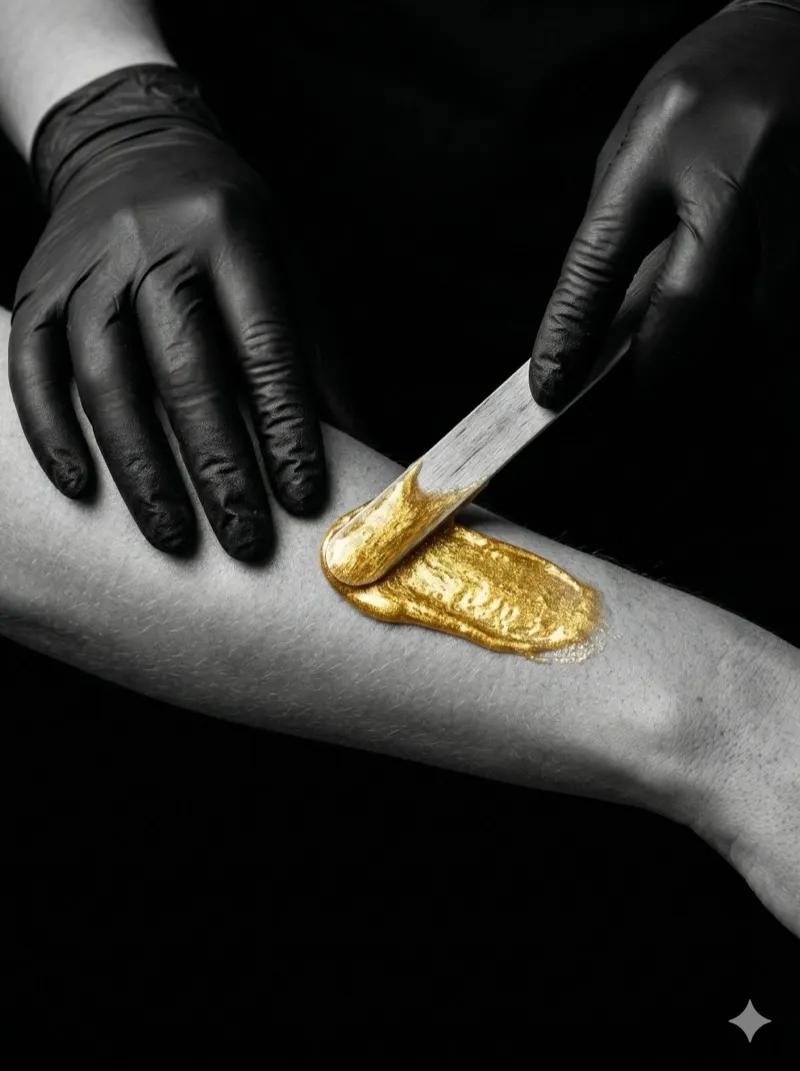
Wax removes arm hair from the root and keeps skin smooth for 3 to 4 weeks on average. Here’s how to prepare, what it really feels like and the aftercare that prevents irritation and ingrown hairs.
Waxing your arms removes hair right from the root, leaving the skin smooth for an average of 3 to 4 weeks, depending on your own hair growth cycle. Unlike shaving – which cuts the hair at skin level – or an epilator, wax pulls out the whole hair from the follicle, which slows regrowth and, with regular appointments, gradually makes the hair finer.
Your arms are always on show: they're exposed to the sun, rub against clothing and are in contact with everything all day. That makes aftercare especially important to avoid visible irritation, spots or ingrown hairs. This article goes deeper into the wax technique itself – preparation, how much it really hurts, aftercare and the best frequency – as a companion to our general guide to arm waxing, which compares all the available methods.
Why wax beats other hair removal methods on the arms
In our experience in the treatment room, waxing in Gandia is the method that gives arms the best balance between how long results last, how comfortable the appointment is and how the skin looks in the days after. Shaving leaves arms smooth for barely 2-3 days before the hair comes back feeling rough because of the blunt cut. An epilator lasts about as long as wax, but it tends to irritate sensitive skin more because it doesn't use heat to open the follicle first. Wax sticks to the hair rather than the skin, so it removes it cleanly from the root without scraping the surface. Also available: waxing in Ontinyent.
With regular appointments, arm hair usually becomes finer, so each session gets quicker and less intense. That cumulative effect is why many clients who start waxing stick with it for the long term.
To explore alternatives and compare long-term results, our guide to waxing vs laser gives a detailed comparison of how permanent each method is and what each session costs.
Hot wax vs warm wax: which is used in a professional salon
Salons use two main types of wax, depending on the hair and the part of the arm. Warm (soft) wax is applied at 37-40 °C, spread with a spatula and removed with a paper or non-woven strip. It's the usual choice for the forearm, where hair tends to be fine and long. Hot (stripless) wax is applied at a higher temperature, sets on the skin and is lifted off on its own; it works better on coarser hair or areas where warm wax doesn't grip well. The therapist chooses between them after a quick look at the start of the appointment. There's no one-size-fits-all formula: what works on an arm with sparse hair may not be the best choice for one with dense, dark hair.
How to prepare the skin on your arms before waxing
Preparing properly before waxing reduces how much it hurts, helps the wax grip and keeps irritation afterwards to a minimum. The most important factor is hair length: it should be between 0.5 and 1 cm for the wax to grip properly. Under 0.5 cm, the wax can't hold the hair firmly and has to go over the same area again, which irritates the skin for no reason. Over 1 cm, removal hurts more because the follicle resists more, and the hair can snap as it's pulled.
Other key steps before your appointment:
- 24 hours before: avoid oily creams, self-tan or products with retinol on the area. They leave a film on the skin that stops the wax from sticking.
- 48 hours before: avoid strong sun or sunbeds on your arms. Burnt or very freshly tanned skin is more reactive.
- On the day: arrive with clean, dry skin. The therapist applies talc or absorbent powder before the wax to remove moisture and improve grip.
Common mistakes that make irritation worse
The most common mistake at first appointments is putting on moisturiser on the day. The cream stops the wax from gripping properly, so more product and more pressure are needed, which leads to longer-lasting redness and patchy removal. Another frequent mistake is not mentioning allergies to common wax ingredients (colophony, natural resins, fragrances), which can cause skin reactions that a simple change of formula would avoid.
Anyone taking oral isotretinoin or using topical retinoids on their arms should stop at least 7 days before waxing: skin under these treatments is more fragile and can lift when the wax is pulled. If in doubt, ask the therapist before you book to avoid any awkward surprises during the appointment.
How much arm waxing really hurts
Arm waxing is usually felt as low discomfort, around 3 out of 10. It's one of the most bearable areas of the body, especially the forearm, where the skin has fewer surface nerve endings and the hair tends to be finer. The discomfort is concentrated in the moment of removal – under a second per strip – and fades quickly. Compared with high-sensitivity areas like the bikini line, arms are a much easier place to start for anyone new to waxing.
The first appointment usually feels a little more intense because the follicle hasn't started to weaken yet. From the third or fourth appointment, most clients notice the discomfort drops clearly, thanks to the gradual weakening of the follicle.
Sensitivity scale: arms compared with bikini, underarms and legs
To give you an idea before your first appointment:
| Area | Estimated pain level (0-10) |
|---|---|
| Forearm | 2-3/10 |
| Upper arm | 3-4/10 |
| Half legs | 3-4/10 |
| Underarms | 5-6/10 |
| Upper lip | 4-5/10 |
| Bikini line / Brazilian | 6-8/10 |
Arms are among the least sensitive areas of the body, comparable to half legs and well below the bikini line or underarms. That's especially useful to know if you have a low pain threshold and comfort is what matters most when choosing a method.
Visible results: how long arms stay hair-free
After a professional wax, arms stay hair-free for an average of 3 to 4 weeks, depending on your hair and your waxing history. If you're used to shaving, the follicle tends to be stronger, so regrowth is quicker in the first few appointments. If you've had more than three waxes in a row, regrowth comes later and finer, and in some areas of the forearm the gap can stretch to 5 weeks.
In summer, heat and higher hormonal activity speed up the hair growth cycle, which can shorten the ideal gap by 3-5 days compared with winter.
What speeds up or slows down regrowth
- Dark, coarse hair: shorter cycles, around 3 weeks between appointments.
- Fine, light hair: longer cycles, 4 to 5 weeks.
- Regular appointments: after 6-8 regular waxes, many clients stretch the gap to 5-6 weeks without visible hair.
- Hormonal changes: your menstrual cycle, pregnancy or menopause can temporarily change how fast hair grows.
- Regular exfoliation between appointments: keeps follicles clear and makes results look longer-lasting by stopping hairs getting trapped under the skin.
To plan several areas in one visit, our guide to full-body waxing for women gives advice area by area, with recommended frequencies.
If you live in La Safor, our Gandia salon is well placed for regular arm waxing all year round, with high demand in the months before summer.
The ideal frequency for your type of hair
The recommended frequency for arm waxing is every 3 to 5 weeks, depending on your hair:
- Fine, light hair (common on women's forearms): every 4-5 weeks.
- Coarse, dark hair (upper arm, or people with higher androgen levels): every 3-4 weeks.
- Beach season: many clients switch to every 3 weeks in summer to keep their arms hair-free without a break from June to September.
In a professional salon, it's usual to book your next appointment as you finish the current one. This habit means we can wax in the anagen phase – when the hair is actively growing – which is when wax removes it most cleanly. Sticking to the ideal length described in the preparation section (0.5 to 1 cm) means cleaner results and less discomfort; coming in earlier or later than that window makes each appointment less effective.
Our general guide to arm waxing compares methods and frequencies for different types of hair in more detail.
Arm aftercare: the first 48 hours
Aftercare is the set of steps you follow in the hours and days after waxing to calm the skin, prevent blocked follicles and reduce spots or ingrown hairs. Arms are constantly exposed – to the sun, to clothing and to everyday rubbing – so following the routine properly matters more than on less exposed areas.
First 2 hours after waxing:
- Apply an alcohol-free soothing lotion or aloe vera gel to reduce temporary redness.
- Avoid hot water: showers, pools or saunas are best avoided during this time.
First 24 hours:
- Avoid direct sun on your arms without SPF 50.
- Don't wear very tight clothes or synthetic fabrics that rub freshly waxed skin.
- Avoid perfume or fragranced lotions on the area.
Between 48 and 72 hours:
- Start gentle exfoliation with an exfoliating mitt or fine-grain scrub, 2-3 times a week. This is the most effective step for preventing ingrown hairs.
- Go back to your usual unscented body lotion.
Our full guide to aftercare after waxing goes through this routine with tips for each skin type.
How to avoid spots and ingrown hairs on such an exposed area
Ingrown hairs on the arms happen when the follicle gets blocked by dead skin cells or by constant pressure from clothing, forcing the growing hair to curl inwards instead of coming out. Regular exfoliation starting 48 to 72 hours after waxing is the most effective way to prevent it: done consistently, it greatly reduces ingrown hairs in high-friction areas like the arms.
Heavy body oils (coconut, unrefined almond) applied straight after waxing aren't recommended because they can clog freshly opened follicles. Water-based lotions with soothing ingredients such as aloe, panthenol or chamomile extract are a better choice. People who are prone to ingrown hairs can benefit from occasional use of products with low-strength glycolic or salicylic acid between appointments, as long as their skin tolerates them. Our guide to ingrown hairs after waxing covers this problem in more depth.
Moisturising and sun protection after waxing
Arms are the part of the body most exposed to the sun day to day. After waxing, the skin barrier is temporarily more permeable, making it more vulnerable to UV damage for the first 24-48 hours. Unprotected sun exposure during that time can cause dark marks that are hard to fade, especially on olive or darker skin or skin that pigments easily. A broad-spectrum SPF 50 sunscreen is a must if you're going outside on the day of your wax or the next day. Sunbeds should be avoided for at least 48 hours after waxing. After 24-48 hours, you can go back to your usual moisturising routine without restrictions.
Arm waxing at Adrian Beauty Studio in Gandia and Ontinyent
Adrian Beauty Studio offers arm waxing at its salons in Gandia and Ontinyent, with therapists who adapt the type of wax and the routine to each client's hair and skin. The appointment includes a quick assessment of the area, preparation with absorbent powder, warm or hot wax as needed and a soothing lotion to finish. It takes about 15 minutes for full arms (about 20 for men) and costs €13 (men, €22), making it one of the quickest appointments on our body waxing menu.
At our Gandia salon, arm waxing is one of the most seasonal treatments, with clients from La Safor keeping their arms hair-free for the beach and summer plans. At our Ontinyent salon, demand is steady all year, with clients from the Vall d'Albaida combining it with other regular appointments such as leg or underarm waxing or our brow services in Ontinyent. If you come in often for your brows, the Unlimited Brows membership (€10/month) includes unlimited brow tidy-ups with wax (brow shaping is charged separately).
If you'd like to have several areas done in one visit, our guide to full-body waxing for women explains how to organise them by priority and appointment time.
FAQs about arm waxing
Does the first arm wax hurt more than the next ones?
Yes, the first appointment usually feels more intense than later ones. The follicle hasn't started to weaken yet and the hair – especially if you've been shaving – has a thicker shaft and a more firmly anchored root. That means it needs more pull to remove. From the second and third appointments, the follicle gradually weakens and the hair comes out with less resistance. Between the first and the fourth appointment, the difference is usually very noticeable. On top of that, the hair that grows back after waxing is finer and more even, which makes later waxes easier. For most clients, by the fourth appointment arm waxing is clearly bearable and quick.
Can I sunbathe after waxing my arms?
Direct sun isn't recommended for the first 24-48 hours after waxing. Wax removes the top layer of skin cells along with the hair, leaving the follicles open and the skin temporarily more sensitive to UV. Sun exposure without protection during that time can cause post-inflammatory hyperpigmentation, especially on skin types III-VI (Mediterranean or darker skin). If you can't avoid going out, a broad-spectrum SPF 50 is a must. Sunbeds should be avoided for at least 48 hours after waxing. After that, sun and tanning are fine on waxed skin with no further restrictions.
Does waxing weaken arm hair over time?
Yes, with regular, ongoing appointments the follicle gradually weakens from being pulled out at the root again and again. After several waxes in a row, it's common for much of the hair to come back finer, lighter and slower. This isn't the same as laser or IPL, which destroy the follicle permanently, but it does bring a clear, noticeable improvement in how the hair looks and how often you need to wax. Some people even find that, after many years of regular waxing, the hair stops growing back in some areas of the forearm, although this varies a lot from person to person and can't be guaranteed.
Is waxing suitable for arms with sensitive skin or dermatitis?
Wax can be suitable for sensitive skin as long as specific formulas are used – free from colophony and fragrance, with soothing ingredients such as azulene or chamomile – and the condition of your skin on the day is respected. During an active flare-up of atopic dermatitis, psoriasis or eczema on the arm, waxing isn't suitable until the skin has settled and has no lesions. Skin being treated with topical corticosteroids also needs extra care: the steroid thins the skin and increases the risk of it lifting when the wax is pulled. Anyone with a diagnosed skin condition should tell the therapist before the appointment and, if there's any doubt about compatibility, check with a dermatologist first. The therapist's advice and medical advice complement each other.
How many weeks should I leave between arm waxes?
The ideal gap for arm waxing is every 3 to 5 weeks, depending on the type and thickness of your hair. Fine, light hair, common on women's forearms, allows 4-5 weeks between appointments. Coarser or darker hair, on the upper arm or in people with higher androgen activity, needs a return visit every 3-4 weeks to keep results looking good. The key is to come in when the hair is 0.5 to 1 cm long: waxing before then gives a patchy result, and waxing much longer hair makes removal more uncomfortable. Over time, regular appointments naturally stretch the gap as the follicle weakens, without you having to change anything.
How long should arm hair be for waxing?
Hair should be between 0.5 and 1 cm long for an effective, trouble-free wax. Under 0.5 cm, the wax can't grip the hair properly and removal is incomplete, so the same area has to be gone over several times and irritation increases. Over 1 cm, the follicle resists more and the pull hurts more; the hair can also snap, leaving bits inside the follicle. If you usually shave, it's best to wait at least 2-3 weeks without shaving before your first wax, so the hair reaches the minimum length and the shaft regains its natural shape.
How can I avoid spots and irritation after waxing my arms?
The most effective combination is preventive exfoliation and the right moisturising in the days afterwards. Start gentle exfoliation with a mitt or fine-grain scrub 48 to 72 hours after waxing and keep it up 2-3 times a week to keep follicles clear. Applying heavy body creams or oils before the follicles have closed – in the first 24 hours – isn't recommended, as they can block the follicle opening and trap the growing hair. Products with 5-8% glycolic acid or 1-2% salicylic acid can be used between appointments as a preventive treatment if you're prone to ingrown hairs, introducing them gradually. For a full routine for this problem, our guide to ingrown hairs after waxing gives detailed information and solutions for each skin type.
To book or see the service details, visit our arm waxing page or go straight to your nearest salon: Gandia or Ontinyent.
Quick reference: waxing
| Area | Session | Lasts | Pain (1-5) |
|---|---|---|---|
| Classic bikini line | 10-15 min | 3-5 wks | 3-4 |
| Underarms | 10 min | 3-4 wks | 3 |
| Half legs | 15 min | 3-5 wks | 2-3 |
| Upper lip | 5 min | 2-3 wks | 3 |
| Eyebrows | 10 min | 3-4 wks | 2-3 |
| Back | 25 min | 4-5 wks | 3 |