Spots After Facial Waxing: Why They Appear and How to Treat Them
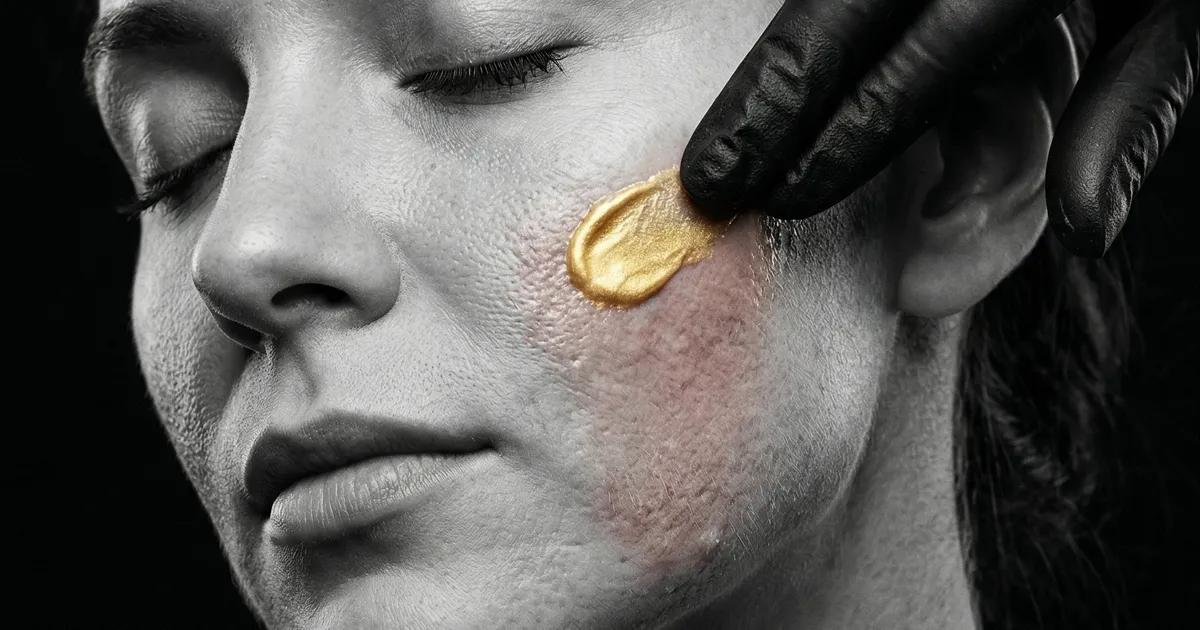
Spots after waxing your face are a very common skin reaction, especially on sensitive or reactive skin. Most clear up on their own within 24 to 72 hours, with no medical treatment.
Spots after waxing your face are a very common skin reaction, especially on sensitive or reactive skin. Most clear up on their own within 24 to 72 hours, with no medical treatment. This guide explains exactly why they appear, how to treat them day by day and what to do so they show up less at your next appointment.
What Post-Wax Spots Are and Why They Appear
Spots after facial waxing are small red bumps or pustules that appear on the waxed area as an inflammatory response to the hair being pulled out at the root. Facial skin has a lot of hair follicles and is thinner and more sensitive than skin elsewhere on the body, which is why the reaction is more intense and more visible on the face. When wax pulls a hair from the follicle, the opening is briefly left exposed to bacteria, sebum and dead skin cells, which triggers the inflammation. The result is small reddish spots, sometimes with a white head, that usually appear 1 to 6 hours after the treatment and, in most cases, disappear without leaving a mark.
Folliculitis: The Most Common Cause
Post-wax folliculitis is inflammation of one or more hair follicles caused by the mechanical irritation of waxing. In our experience, it is by far the most common cause of spots after facial waxing. It happens when skin bacteria — mainly Staphylococcus epidermidis, naturally present on the skin — get into the open follicle in the 20-30 minutes after the treatment. People with finer or curly hairs, or a tendency to acne, are more prone to it. Superficial folliculitis does not usually need antibiotics, but it does need careful hygiene and the right soothing products.
Allergic Reaction or Sensitivity to Wax
Less common than folliculitis, a sensitivity to wax ingredients — colophony (rosin), fragrances, preservatives — can cause localised hives, widespread redness and flat spots without a head. This reaction appears faster, usually within the first 10-15 minutes, and affects the whole waxed area evenly, not just individual follicles. If you suspect an allergy, tell your therapist before your next appointment so she can use a rosin-free or hypoallergenic wax. If you get swelling or intense itching, or the reaction spreads beyond the waxed area, see a dermatologist.
Aggravating Factors: Heat, Sweat and Heavy Products
Several external factors make spots after facial waxing much more likely. Heat — direct sun, hot environments, intense exercise — in the first 24 hours opens the pores and encourages bacteria to multiply. Sweat irritates freshly opened follicles. Make-up or oily creams applied before the follicles close — which takes 12 to 24 hours — block the openings and bring on pustules. Anything tight over the area (face masks, chin straps) does the same by trapping heat and moisture. Spotting and controlling these factors noticeably reduces the reaction in most cases.
Normal Spots or Skin Infection? How to Tell
Normal post-wax spots are small — under 2-3 mm across — scattered over the waxed follicles, and they visibly improve within 24-72 hours without doing anything. The surrounding skin may be slightly pink but not generally inflamed or hot to the touch. A secondary skin infection looks different: the spots get bigger instead of smaller, the pain is throbbing or intense, and yellow-green pus may appear. Other warning signs are weeping crusts or the affected area spreading beyond where you were waxed. If the spots last more than 5-7 days, multiply, or you get general symptoms such as a fever, see a doctor or dermatologist: it could be deep bacterial folliculitis that needs topical or oral antibiotics.
Treating Spots After Facial Waxing, Step by Step
Treatment has two phases: calming the skin in the first hours, then helping it recover over the following days. Following the right routine clears things up in under 48 hours in most cases and lowers the risk of post-inflammatory pigmentation, which matters especially on darker skin or skin prone to marks. For aftercare after waxing that applies to every part of the body, that guide complements the face-specific advice here.
First 24 Hours: Calm the Skin
- Cleanse gently with cool water and an alcohol-free, fragrance-free cleanser as soon as you can after the treatment.
- Apply thermal spring water or aloe vera gel to the spots. Aloe vera contains acemannan, a polysaccharide with anti-inflammatory properties that soothes the reaction without clogging the follicles.
- Skip make-up for at least 12 hours; on very reactive skin, wait 24 hours before putting anything on the area.
- Do not touch or squeeze the spots: touching open follicles brings in bacteria, makes the inflammation worse and can leave marks.
- Use a soothing cream free from parabens and mineral oils, with ingredients such as allantoin, niacinamide or bisabolol.
- Protect from the sun: inflamed follicles are more likely to pigment if exposed to UV in the first 48 hours.
Days 2 to 5: Speed Up Recovery Without Marks
From day two, if the inflammation is not going down, you can add a toner with 0.5-1% salicylic acid to unclog the follicles without being harsh on facial skin. That percentage is gentle enough even for sensitive skin. If red marks remain (post-inflammatory erythema), 5-10% niacinamide twice a day helps even out the tone in 7-10 days. Keep using SPF 30 or higher throughout. If the spots crust over, do not pick the crusts: a panthenol healing cream twice a day helps them resolve naturally between day 3 and day 7.
How to Prevent Spots Next Time You Wax
Preventing spots after facial waxing is possible and it works: with good preparation and careful aftercare, the reaction drops noticeably compared with doing nothing before or after. The key is to act both before and after the treatment. At our Gandia salon and our Ontinyent salon, your therapist checks your skin before every appointment to adapt the type of wax and the preparation to you.
Preparing Your Skin Before the Appointment
- 48 hours before: gently exfoliate the area (upper lip, between the brows, chin) with a microfibre cloth to remove dead skin and free any hairs that could get trapped under the skin.
- On the day: come with clean skin, with no make-up, cream or sunscreen on the area to be waxed. Residue stops the wax gripping properly and can contaminate the follicles.
- Hair length: hair should be 3 to 5 mm long. Any shorter and the wax grips the skin more, increasing irritation and the risk of the hair snapping.
- Tell your therapist if your skin has had a lot of sun in the days before, or if you are using retinoids, acids or prescription topical treatments, as they thin the skin barrier.
Professional Aftercare
Careful aftercare is what makes the biggest difference between one client and another. The key steps in the 24-48 hours after are: avoid hot water, keep make-up off the area, moisturise with alcohol-free products and use sunscreen. Our complete waxing guide covers aftercare by area, including the face, with product advice for each skin type.
Salon vs Home Facial Waxing: Which Irritates Less?
Professional facial waxing causes far fewer spots and less irritation than waxing at home, for clear technical reasons. In a salon the wax temperature is precisely controlled between 37 and 45 °C, so it grips the hair well without harming the skin. Professional waxes include formulas for sensitive skin, often rosin-free — rosin being the ingredient that triggers allergic reactions in people prone to them. Technique in the treatment room also matters: the right removal angle (180° to the direction of hair growth), how the skin is held taut and the speed of the pull decide whether the follicle comes out clean or the hair snaps under the surface, raising the risk of folliculitis and of ingrown hairs after waxing. Home waxes do not always heat evenly to the right temperature, so you end up going over the same area again and doubling the irritation. An upper lip wax in the salon takes about 5 minutes with the right technique and wax, with no need to go over it twice.
When to See a Dermatologist
See a dermatologist if post-wax spots have not cleared within 5-7 days, spread to areas that were not waxed, come with intense pain or fever, or appear after every appointment even though you follow good aftercare. Recurring folliculitis can point to increased colonisation by Staphylococcus aureus, which needs a prescribed topical antibiotic (mupirocin or fusidic acid). If you have active acne, rosacea or seborrhoeic dermatitis, check with your dermatologist before facial waxing, as these conditions considerably increase the risk of a reaction. In these cases, treatments such as a chin wax or upper lip wax can be done with a specifically adapted routine. Never reach for over-the-counter cortisone cream as your first option for post-wax spots without medical advice.
Spots and Facial Waxing: FAQ
Is it normal to get spots after waxing my face?
Yes, it is a very common reaction, especially on sensitive or reactive skin: many people get some degree of superficial folliculitis after facial waxing. The main reasons are the high density of hair follicles on the face and how much more sensitive facial skin is than skin elsewhere on the body. Two to five small spots on the waxed area are within what you would expect and nothing to worry about. If the reaction is very strong, lasts or is painful, mention it to your therapist so she can adapt the wax or the preparation next time.
How long do spots from facial waxing last?
Normal post-wax spots clear within 24 to 72 hours in most cases, as long as you leave them alone and follow basic aftercare: gentle cleansing, a soothing product and no make-up for the first few hours. On more reactive skin, or when aggravating factors are involved — heat, sweat, make-up too soon — it can take up to 5 days. If the spots are not improving or get worse after 7 days, there may be a secondary infection or an allergic reaction that needs a professional opinion. Residual redness (flat, no bump) can last a few more days, especially on fair skin prone to pigmentation.
Can I wear make-up after a facial wax?
It is best not to put make-up on the waxed area for the first 12 hours, and on sensitive skin to wait up to 24 hours. The follicles are left open after the hair comes out, and any heavy product — foundation, pressed powder, concealer — can block them and cause or worsen spots. If you really need make-up, use a very light oil-free product, with clean hands and without rubbing. Removing it that same evening with a gentle cleanser and lukewarm water is essential so the follicles do not stay blocked.
Does salon waxing reduce spots?
Yes, significantly. Salon waxing causes fewer spots than home waxing for three main reasons: precise control of the wax temperature between 37 and 45 °C, formulas made for sensitive skin, and correct removal technique that keeps hairs from snapping. On top of that, your therapist applies soothing and antiseptic products straight after the treatment, completing the routine. Our upper lip waxing guide explains how the treatment is done in the salon and how it differs technically from waxing at home.
What cream should I use for spots after waxing my face?
Start with pure aloe vera gel as a natural, fast-acting anti-inflammatory. If the spots are still there after 48 hours, a 5-10% niacinamide cream calms the inflammation and helps prevent pigmentation. A toner with 0.5-1% salicylic acid helps unclog the follicles from day two. Avoid creams with mineral oils, lanolin or fragrance. Never put neat alcohol, toothpaste or lemon on the area: these home remedies can cause chemical burns or permanent marks. If the spots do not respond within 5-7 days, see a dermatologist.
Why do I get more spots on my upper lip than elsewhere?
The upper lip has a high density of fine, sensitive follicles that inflame more easily after waxing. It is also an oily area and moves constantly — talking, eating, drinking — which creates friction in the hours after the treatment. Being close to the lips also means more local moisture. On top of that, we tend to touch or lick the upper lip without realising, bringing bacteria into the open follicles. Strict aftercare (do not touch the area, avoid very hot food for the first few hours, apply a soothing gel) and our upper lip waxing guide will noticeably reduce this reaction.
If spots after facial waxing keep coming back, the first step is to look at the type of wax and the routine being used. At Adrian Beauty Studio — both at our Gandia salon and our Ontinyent salon — your therapist adapts the wax and the preparation to your skin type before every appointment. To book or see the details, visit the upper lip wax page or the waxing section of your nearest salon.
Quick reference: waxing
| Area | Session | Results last | Pain (1-5) |
|---|---|---|---|
| Bikini line | 10-15 min | 3-5 weeks | 3-4 |
| Underarms | 10 min | 3-4 weeks | 3 |
| Half leg | 15 min | 3-5 weeks | 2-3 |
| Upper lip | 5 min | 2-3 weeks | 3 |
| Brows | 10 min | 3-4 weeks | 2-3 |
| Back | 25 min | 4-5 weeks | 3 |