Chin hair: causes, when to worry and removal methods compared
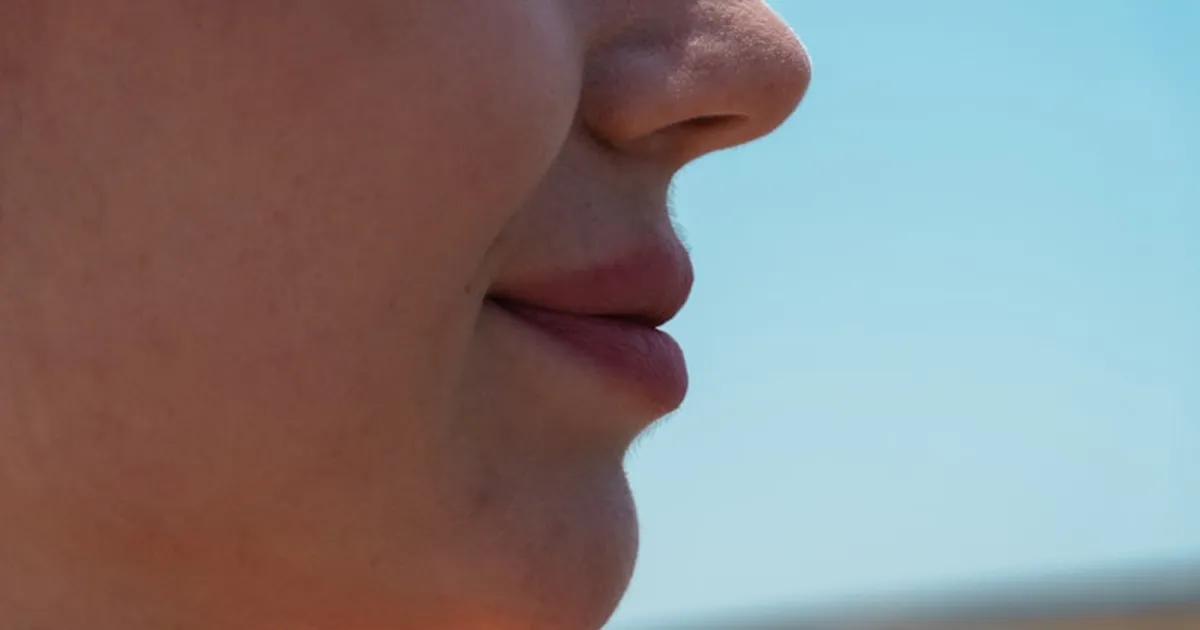
Chin hair is more common than people admit. Most cases have a hormonal or genetic explanation; here is when to see a doctor and how wax, tweezers, threading and laser compare.
Chin hair is more common than people openly admit: many women find it appearing at some point in their lives. In most cases there's a straightforward hormonal or genetic explanation; in others, it can be the first sign of something worth getting checked by a doctor. This guide compares the hair removal methods available — wax, tweezers, threading and laser — in a table, explains when it's worth seeing a specialist, and also covers what's different about chin hair in men.
With our Unlimited Brows membership for €10 a month, you can have a brow tidy with wax as often as you need (brow shaping is charged separately).
Why does hair grow on the chin?
Facial hair in women is mainly caused by changes in the body's androgen balance. Androgens — testosterone and its derivatives — stimulate the hair follicles on the chin and around the face, turning fine, light hair into darker, coarser hairs. It usually happens gradually and, in many cases, starts without you noticing.
Hormonal causes — PCOS, menopause and endocrine changes
Polycystic ovary syndrome (PCOS) is the most common cause of facial hair in women of reproductive age. It's a common condition and usually comes with irregular periods, adult acne and, in some cases, insulin resistance.
Menopause also has a noticeable effect. As oestrogen falls, the relative proportion of androgens rises, which can wake up follicles that were previously inactive — especially on the chin, upper lip and sideburns.
Idiopathic hirsutism is a third scenario: hormone levels within the normal range, but hair follicles that are especially sensitive to androgens. It isn't rare and tends to stay stable over the years.
Genetic and ethnic factors
Family history plays a big part. If your mother or grandmother had noticeable facial hair, you probably share that follicle sensitivity. Women of Mediterranean, Middle Eastern or South Asian origin statistically have denser body and facial hair, without it meaning any hormonal imbalance.
Medication and other lesser-known causes
Some medicines stimulate hair growth as a documented side effect. The most common are:
- Corticosteroids, taken orally long term or applied to the face
- Minoxidil, used to treat hair loss
- Ciclosporin, an immunosuppressant often used after transplants
- Valproic acid, an anti-epileptic
- Anabolic steroids
If chin hair appeared or got worse around the time you started one of these treatments, talk to the prescribing doctor before making any decision — and don't stop the medication on your own.
When is chin hair normal, and when should you see a doctor?
Most cases of chin hair are harmless and perfectly manageable with regular hair removal. But some signs are worth checking with an endocrinologist or a gynaecologist with an endocrine focus.
See a health professional if chin hair comes with:
- Sudden appearance or very fast progression over a few weeks
- Marked menstrual irregularities (very short, very long or absent cycles)
- Cystic acne in adulthood with no previous history
- Hair loss at the front and crown following a male pattern
- Changes in the voice (deepening)
- Weight gain concentrated around the abdomen that's hard to shift
Together, these symptoms can point to PCOS, hyperprolactinaemia, thyroid problems or, more rarely, an androgen-secreting tumour. The point isn't to panic — most have effective treatment — but none of these should be dismissed before a basic blood test. The health professional will tell you whether further investigation is needed.
If the hair is stable, has appeared gradually over the years and there are no other symptoms, it's most likely genetic or linked to your stage of life. In that case, managing it cosmetically with the right method is the usual route.
Chin hair removal methods compared
The chin has its own particularities: uneven bony contours, constant movement from chewing and facial expressions, and more visibility than other areas of the body. Not every method works equally well here.
Hot or warm wax
Wax is the most widely used method in beauty salons for facial hair removal (see waxing in Gandia and in Ontinyent). It works on the whole area in one go, pulling the hair out from the root. Hot wax grips even short hair well — from about 3-4 mm — which makes it particularly useful on the chin, where hairs tend to be sparse but coarse.
At our salons, a chin wax costs €9 and takes about 10 minutes. Results last 3 to 6 weeks depending on your individual growth cycle. You can see the service on the chin waxing in Gandia page.
Tweezing
Tweezers give maximum precision hair by hair, ideal for touch-ups between waxes or when there are very few hairs. The main drawbacks are the time it takes and the risk of cumulative irritation with frequent use. Pulling repeatedly at the same spot can encourage ingrown hairs, especially if the hair is coarse and curly.
On the chin, tweezers work well for occasional maintenance, not as the main method if there's a lot of hair.
Threading
Threading is a technique from the Middle East and South Asia that uses a twisted cotton thread to catch and remove hairs in a row. It uses no heat or chemicals, which makes it appealing for skin with rosacea or high reactivity.
On the chin, threading works well on fine to medium hair. On very coarse, deep-rooted hair it can be less effective than hot wax. Results last about as long as tweezing (2-4 weeks) and depend a lot on the practitioner's skill. To compare the two methods in depth, see our threading vs waxing guide.
Laser and intense pulsed light (IPL)
Laser and IPL are the only methods that offer semi-permanent or permanent results. A typical course needs 6 to 8 sessions spaced 4-6 weeks apart, because they only work on hair in the active growth phase (anagen). After a full course, a significant share of the hair stops growing.
They work best on dark hair on fair skin. On very dark skin, or with fair or grey hair, results vary and specific equipment is needed. The total cost of a course is considerably higher than waxing, although it can pay off in the long run for persistent, fast-growing hair. For a full comparison of the two approaches, see our guide to waxing vs laser.
Comparison table: pain, how long it lasts and skin type
| Method | Pain (1–5) | How long it lasts | Relative cost | Suitable for sensitive skin |
|---|---|---|---|---|
| Hot/warm wax | 3 | 3–6 weeks | Low | With care |
| Tweezers | 2 | 2–4 weeks | Very low | Yes |
| Threading | 3 | 2–4 weeks | Low | Yes |
| Laser / IPL | 3–4 | Semi-permanent | High | Depends on the equipment |
Pain levels are a guide and vary with individual tolerance, hair thickness and the practitioner's technique.
How often should you remove chin hair?
The ideal frequency depends on the method you choose and how fast your hair grows, which varies with your hormonal stage and from person to person.
- Wax: every 3-6 weeks. The hair needs to be at least 3-4 mm long for the wax to grip it; waxing before then is less effective and more irritating.
- Tweezers: weekly touch-ups are possible, but avoid overworking the area continuously.
- Threading: every 2-4 weeks, a similar or slightly longer interval than tweezing.
- Laser/IPL: every 4-6 weeks during the active course; afterwards, yearly maintenance sessions or as your skin responds.
A common mistake is reaching for the tweezers or thread too often, which can cause chronic irritation, darkening of the skin from repeated friction and more ingrown hairs. If you need very frequent touch-ups, a salon wax is usually more efficient and gentler in the long run.
Aftercare for chin hair removal
The skin on the chin is thin and constantly moving, which can prolong the post-wax reaction if it isn't looked after properly.
First 24-48 hours after hair removal:
- Avoid make-up on the area for the first 12-24 hours.
- Don't apply perfume or alcohol-based products directly to the skin.
- Keep the area out of direct sun for at least 48 hours.
- Apply aloe vera gel or an alcohol-free soothing cream to reduce redness.
- Don't scratch, even if you feel slight itching or temporary stinging.
From day three, gentle exfoliation (1-2 times a week) helps prevent ingrown hairs, especially if your hair is coarse or tends to curl. If you've already had problems with ingrown hairs on the chin, our guide to preventing ingrown hairs explains the practical steps.
For aftercare that applies to any area of the body, see our complete article on waxing aftercare.
Chin hair removal for men: what's different
Grooming around the chin is increasingly popular with men. In the salon we mainly see two types of client:
Men who shave: the beard outline can have stray hairs outside the line they want, on the upper neck or in areas they'd like to keep clean. Wax is an effective way to define that outline between shaves, with results that last weeks rather than the few days of a regular shave.
Men with beards: shaping around the chin can include removing fine hair on the cheekbones or along the jawline so the beard looks sharper. Wax and threading are common professional shaping tools for this.
In men, the skin on the chin tends to be thicker, with more follicles. The first wax can feel a bit more intense; from the second or third, the skin is more used to it and the appointment is noticeably quicker. For more on men's grooming, our guide to full-body waxing for men covers areas, frequency and specific techniques.
Professional chin waxing in Gandia and Ontinyent
A chin wax at a professional salon has real advantages over doing it at home: the wax temperature is adapted to your hair and skin type, the skin is held taut beforehand to reduce micro-trauma, and the therapist identifies the direction of growth to minimise irritation and ingrown hairs.
At our salon in Gandia, a chin wax can be combined with other facial areas — upper lip, brow services in Gandia — in the same appointment, which many clients do to make the most of their visit. If upper lip hair also bothers you, our guide to upper lip waxing can help before you book. Also available: brow services in Ontinyent.
At our salon in Ontinyent we follow the same routine: we check your hair type first, adjust the wax temperature and apply a soothing product afterwards. You can check availability and up-to-date prices on the chin waxing service page, where the information is always current.
FAQs about chin hair
Why are dark, coarse hairs suddenly growing on my chin?
Dark, coarse chin hair that appears suddenly usually points to a change in androgen balance. The most common causes include starting or stopping hormonal treatment — the pill, hormone replacement therapy — a time of change such as perimenopause, or the onset of polycystic ovary syndrome. Some medicines, such as corticosteroids or minoxidil, can also trigger it as a documented side effect. If the change is very sudden and comes with other symptoms — irregular periods, adult acne, hair loss at the front of the scalp — it's worth seeing your GP or gynaecologist rather than just dealing with it cosmetically. There's no need to panic, but a basic check-up is a good idea.
Does waxing the chin make more hair grow?
No. It's a very widespread belief, but there's no scientific basis for it. Wax pulls the hair out from the root but doesn't act on the follicle or on the hormones that control growth. The impression mostly comes from shaving or trimming: the hair grows back with a blunt, evenly cut end instead of its natural tapered tip, so it feels coarser. With wax, the new hair comes through with its natural tip. Neither the frequency nor the method of hair removal changes the real growth rate or the thickness of new hairs.
Which chin hair removal method lasts longest?
Laser and IPL are the only methods that offer semi-permanent or permanent results after a full course — usually 6 to 8 sessions, several weeks apart. Among salon methods without permanent reduction, wax offers the best balance between how long it lasts (3-6 weeks) and how accessible it is. Tweezers and threading give 2-4 weeks. If you want to reduce or remove hair long term, laser is the option to consider, although it's a bigger investment and doesn't work equally well on every skin type or on fair or grey hair.
Tweezers or wax for chin hair?
It depends on how much hair there is and what you want. For a few scattered hairs or quick touch-ups between salon appointments, tweezers are handy and cheap. If the hair is plentiful, coarse or covers a wider area of the chin, wax is much more efficient: it works the whole surface in one go for a more even, longer-lasting result. It also lowers the risk of the chronic irritation that very frequent tweezing can cause. In the salon, the usual combination is wax as the main method and tweezers to tidy up any stray hairs at the end.
Can I wax my chin if I have sensitive skin?
Yes, with a few things to bear in mind. If you have active rosacea, eczema or psoriasis on the chin, wait until your skin has settled. For sensitive skin without an active condition, threading is the gentlest method because it uses no heat or products. Warm wax with a soothing formula is also a common salon option for reactive skin. Always tell your therapist about your skin history before the appointment; a good salon will check your skin first without you having to ask. For nearby facial areas with similar needs, see our guide to eyebrow waxing.
Where can I get my chin waxed professionally in Gandia?
At our salon in Gandia we wax chins every day, for both women and men. It costs €9, takes about 10 minutes and can be combined with other facial or body areas in the same visit, with no need to book separate appointments. You can check availability and up-to-date prices on the chin waxing service page and book online.
Got chin hair you'd like to get rid of or manage better? At Adrian Beauty Studio we'll help you choose the method that best suits your hair, skin and lifestyle. No judgement, professional advice and visible results from the first appointment.
Quick reference: waxing
| Area | Session | Lasts | Pain (1-5) |
|---|---|---|---|
| Classic bikini line | 10-15 min | 3-5 wks | 3-4 |
| Underarms | 10 min | 3-4 wks | 3 |
| Half legs | 15 min | 3-5 wks | 2-3 |
| Upper lip | 5 min | 2-3 wks | 3 |
| Eyebrows | 10 min | 3-4 wks | 2-3 |
| Back | 25 min | 4-5 wks | 3 |