Nose waxing: safe professional technique and complete aftercare
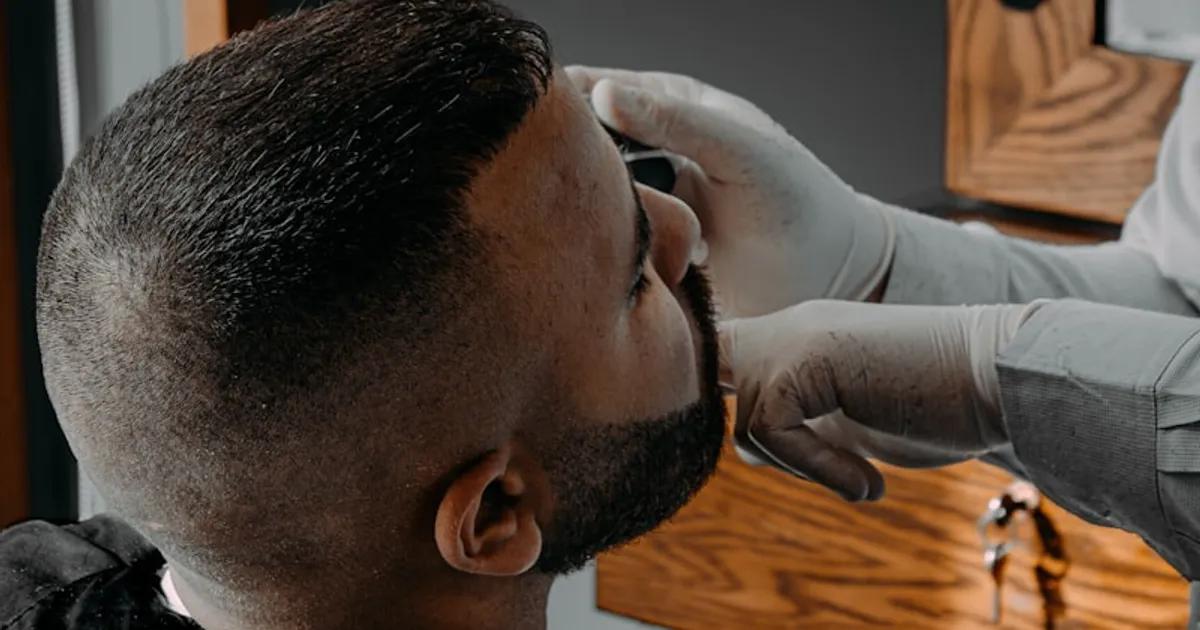
Nose waxing removes only the visible hair at the edge of the nostrils — never the protective hair inside — and lasts 3 to 5 weeks. It takes about five minutes.
Nose waxing removes only the visible hair at the outer edge of the nostrils — never the protective hair inside — and gives a clean result that lasts 3 to 5 weeks. It takes no more than five minutes in the treatment room. If you're wondering whether it hurts, what to expect at your appointment or when it's best avoided, here's everything you need to know.
What is nose waxing and why has it become so popular?
Nose waxing has become one of the fastest-growing treatments in salons in recent years. The reason is simple: hair poking out of the nostrils is very noticeable, especially if it's dark or grows quickly, and it's hard to remove neatly at home. Hot wax removes several hairs at once from the root, leaving the area perfectly tidy for weeks.
It's a quick service with no complicated preparation, increasingly popular with both men and women, and usually combined with other facial waxing in the same visit.
Protective nose hair vs visible hair
This point is essential before any nose wax. Inside the nostrils there's hair with a protective job, known as vibrissae: it acts as a filter for particles, traps allergens and regulates the humidity of the air you breathe in. That inner hair should never be removed, whatever the method.
What professional waxing removes is only the hair visible from the outside: the hairs poking out at the edge of the nostrils that you can see at a glance. The treatment area is clear, limited to the outer edge, and a trained professional knows exactly where that line is.
In a professional beauty salon the wax is never pushed deep into the nostril. That's the key difference between the correct technique and a poor one.
What kind of wax is used for nose waxing?
For the nose we use hot moulding wax, also called hard or stripless wax, formulated specifically for delicate areas. It's applied at a controlled temperature, hardens as it cools and comes off in one go without a fabric strip.
Unlike soft strip wax, hard wax sticks to the hair and not the skin, which greatly reduces irritation on areas close to sensitive mucous membranes. It's the same type of wax used for delicate facial waxing such as the upper lip or the brows (brows in Gandia and in Ontinyent).
How nose waxing is done, step by step
Before your appointment
There's no complicated preparation, but a few details matter. The area should be clean and dry. If you have a blocked nose on the day, it's best to postpone: wax doesn't stick properly to a damp area and the treatment is less effective.
The hair needs to be long enough for the wax to catch it — around 2-3 mm is enough — although on the nose that's usually the case without having to let it grow on purpose.
In the treatment room: what to expect
The technique is quick and follows a set routine. A typical appointment goes like this:
- Cleansing around the nostrils: the area is prepared with a cleanser to remove oil and impurities.
- Protective product (depending on the salon's routine): acts as a barrier and helps the wax come off cleanly.
- Inserting the applicator with hot wax: a stick with a rounded tip, designed for the nose, places the wax right at the edge of the nostril without going deep.
- Setting time: the wax takes 20 to 30 seconds to harden and trap the hair.
- Firm, quick removal: the set wax is pulled out in one decisive movement, removing the hair from the root.
- Repeat on the other side: the same process on the other nostril.
- Soothing product: we finish with a soothing oil or gel to reduce immediate redness.
The immediate result and what's normal
When the wax comes off you'll feel a sharp, very brief sting — the nose has lots of nerve endings — and your eyes will often water slightly as an automatic reflex. The discomfort lasts literally less than a second per nostril and doesn't linger.
Straight afterwards there's some mild redness around the nostrils. That's completely normal and usually fades within an hour. The visible result is a clean, neat area with no hair poking out.
Is nose waxing safe? Real risks and how to avoid them
Nose waxing is very safe when it's done by a trained professional. The main risks come from poor technique — mostly going too deep with the applicator — or from waxing when there's an active contraindication.
Contraindications: when not to have your nose waxed
Avoid this service if you have:
- A recent nose piercing: the area needs to be fully healed before hot wax is applied around it.
- An active infection or nasal cold sore: wax can spread the infection to nearby areas.
- Severe rosacea on the nose: the skin is already inflamed and wax can make it noticeably worse.
- Active treatment with isotretinoin or topical retinoids: these medications make the skin much more fragile and very prone to irritation, tearing and burns from wax. If you're on this treatment, always check with your dermatologist before any waxing, in Gandia or Ontinyent.
- Wounds, scabs or active irritation around the nostrils.
- Severe active hay fever with very inflamed nasal lining on the day.
If you're unsure whether a health condition is compatible with the service, mention it to the therapist before the appointment.
Nose hair and its protective role: what the science says
Beyond the technical distinction above, science adds some useful context. Some research suggests that denser vibrissae may be linked to less hay fever, although the data isn't conclusive and it's still being studied. What nasal anatomy does confirm is that the inner hair regulates the humidity and temperature of the air you breathe, as well as filtering particles and allergens.
This backs up the practical point: professional nose waxing works only on the visible outer edge, without ever affecting the protective role of the inner hair. That's the difference between a well-done service and a poor technique.
Wax vs tweezers vs nose trimmer: comparing the methods
There are four main ways to remove visible nose hair. Each differs in how long it lasts, comfort and risk.
Pros and cons of each method
Professional waxing — The longest-lasting result: 3-5 weeks. It removes hair from the root, leaves the area perfectly clean and, with regular use, regrowth becomes softer. The downside is the brief sting at the moment of the pull and the need to see a professional for safety.
Nose tweezers (rounded tip, different from brow tweezers) — Remove hair from the root, with no risk of burns and at no cost at home. It's slower, as you go hair by hair, and the build-up of stings can feel worse than waxing. Results last 1-2 weeks.
Electric nose trimmer — Painless, very safe, instant results. It only cuts at skin level without touching the root, so hair is back in 3-7 days. Ideal for quick upkeep between professional waxes.
Small round-tipped scissors — Similar to the trimmer in how long it lasts and the result. A little less precise without good lighting, although the real risk is minimal with the right technique.
Which method is the safest and longest-lasting?
For quick, hassle-free upkeep at home, an electric nose trimmer is the most practical and accessible option. If you want a visibly clean result for weeks without having to deal with it between appointments, professional nose waxing is clearly the most effective and longest-lasting choice.
The same logic applies to other delicate facial areas: ear waxing follows similar technical principles for an equally discreet area. For an overview of all our waxing services, our complete waxing guide is the most comprehensive resource.
Aftercare after nose waxing
The first 24 hours
The first few hours matter most to avoid irritation or infection. The essentials:
- Don't touch or rub the area: the follicle is open straight after waxing, and your hands easily introduce bacteria.
- Don't blow your nose hard for the first 2-3 hours: the pressure can irritate the freshly waxed follicles.
- No make-up around the nostrils for the first 24 hours.
- Avoid direct sun on the area: freshly waxed skin is more sensitive to UV.
- No pool, sauna or hot tub on the same day: heat and chlorine irritate open follicles.
- Apply a soothing product if the discomfort lingers: pure aloe vera gel is effective and fragrance-free.
Mild redness is normal during the first hour. If it lasts more than 3-4 hours or there's noticeable swelling, contact your therapist.
Medium-term care and warning signs
Between appointments you don't need any special care beyond your usual hygiene. What's worth watching for are ingrown hairs, which are rare on the nose but possible if the follicle gets blocked as the hair grows back.
Signs that you should see a professional: painful bumps that don't go away at the edge of the nose, redness that hasn't settled after 24 hours, or itching that continues for several days after the appointment. These are uncommon, but best dealt with early.
For full details on general aftercare after waxing — by area and timing — our article on waxing aftercare sets it all out clearly.
Nose waxing FAQs
With our Unlimited Brows membership for €10 a month, you get brow tidy-ups with wax (keeping your shape; €6 for a one-off visit) as often as you need; brow shaping is not included.
Does nose waxing hurt?
The nose has lots of nerve endings, so the pull feels like a sharp, intense sting. But it lasts literally less than a second per nostril and the pain doesn't linger. The most common reaction is slightly watery eyes: that's an automatic reflex, not a sign of real pain. Most people who try it for the first time describe it as surprising but completely bearable. Because the whole service takes around five minutes, it's easy to manage for almost everyone.
How often can I have my nose waxed?
The usual professional advice is every 3 to 5 weeks, depending on how fast your hair grows. The skin around the nose needs that time to recover fully between sessions; waxing again before 3 weeks has no benefit and can irritate an already sensitive area. With regular sessions over several months, many people notice the hair grows back finer and sparser, which can naturally space out visits without losing that tidy look.
Is it safe to wax my nose at home, or is it better to see a professional?
Home nose waxing kits are widely available, but they carry risks worth being honest about. The main one is temperature control: wax that's too hot can burn the nasal lining, which is especially sensitive. The second is how deep the wax goes: without training, you could push it beyond the outer edge. In a professional salon, the therapist controls both precisely and uses single-use materials. If you have no previous experience with hot wax, we recommend seeing a professional, especially the first few times.
Does nose waxing weaken the hair over time?
With regular waxing from the root, the follicle can gradually weaken. This usually means the hair grows back finer, lighter and sparser over the months. It isn't guaranteed or the same for everyone — genetics and each follicle's characteristics play a big part — but it's a common trend among people who keep up a regular waxing routine. Waxing never removes hair permanently; for that there are specific methods such as laser or IPL.
Can nose waxing cause infections?
There's a risk of infection if aftercare isn't followed or if the service is done somewhere with poor hygiene. In a professional setting with proper hygiene and single-use materials, the risk is minimal. The key to preventing any problem: don't touch the area after the appointment, don't blow your nose hard for the first few hours and avoid damp places such as pools or saunas that day. If you notice signs of infection afterwards — lasting heat, pus, swelling that doesn't go down or a fever — see a doctor.
Who should avoid nose waxing?
It should be avoided if you're on active treatment with isotretinoin or topical retinoids on the area, have a nasal infection or active cold sore nearby, severe rosacea on the nose, a recent nose piercing that hasn't fully healed, or any wound or active irritation around the nostrils. People whose skin is very sensitised by other active dermatological treatments should also check with their doctor first. Most of these contraindications are temporary: once they've passed, the service can be done as normal.
How long does nose hair take to grow back after waxing?
The growth cycle varies from person to person, but in general hair removed with wax takes 3 to 5 weeks to be visible again at the edge of the nostrils. For the first two weeks the area looks completely clean. From the third week a few hairs start to show, although they're still discreet. With regular sessions, regrowth tends to slow and the hair gets finer, which can gradually space out your appointments without losing the result.
Professional nose waxing in Gandia and Ontinyent
If you're in La Safor or the Vall d'Albaida and want to get rid of visible nose hair with a clean, long-lasting result, Adrian Beauty Studio offers this service at both our salons.
Nose waxing costs €4 and takes about 5 minutes at both salons; it's usually combined with other facial waxing in the same visit. If you come in regularly for between-the-brows waxing, adding your nose to the same session is very practical and barely adds any time. And if you'd like a wider view before booking, our complete waxing guide explains the options available at our salons.
Check availability and book at our Gandia salon or at Adrian Beauty Studio in Ontinyent. If you have any questions about contraindications or whether the service is right for you, message us before booking and we'll help.
Quick reference: waxing
| Area | Session | Lasts | Pain (1-5) |
|---|---|---|---|
| Classic bikini line | 10-15 min | 3-5 wks | 3-4 |
| Underarms | 10 min | 3-4 wks | 3 |
| Half legs | 15 min | 3-5 wks | 2-3 |
| Upper lip | 5 min | 2-3 wks | 3 |
| Eyebrows | 10 min | 3-4 wks | 2-3 |
| Back | 25 min | 4-5 wks | 3 |