Back waxing: preparation, process and aftercare
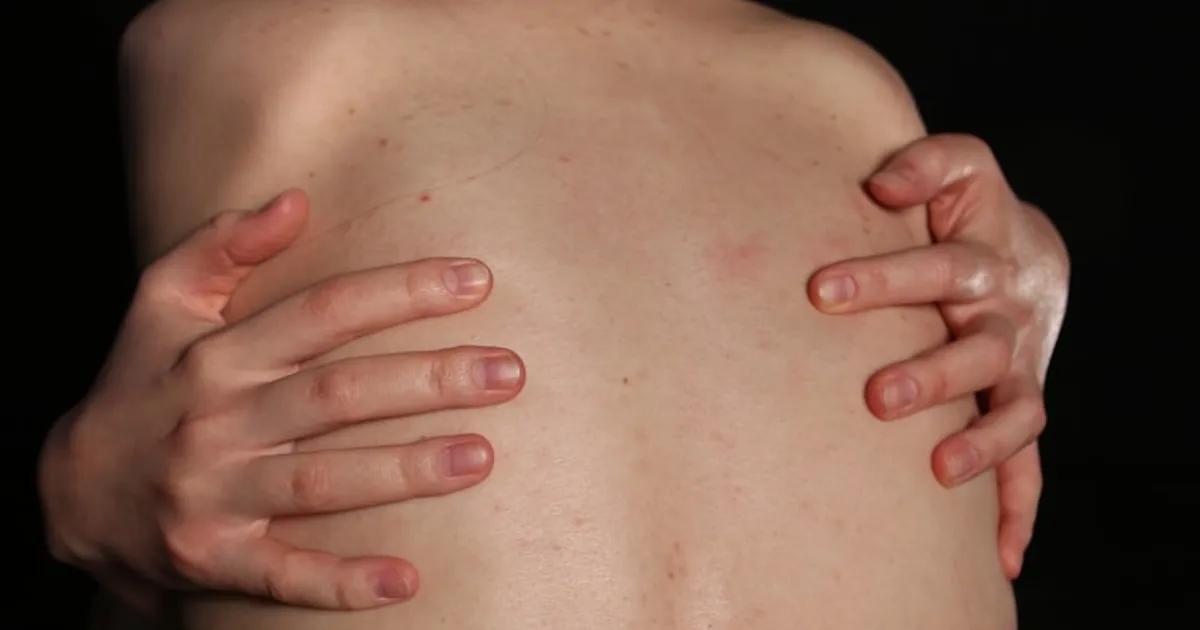
Back waxing removes hair from the root and keeps skin smooth for 3 to 6 weeks, far longer than shaving.
Back waxing removes hair from the root and keeps your skin smooth for 3 to 6 weeks – far longer than shaving. It's one of the most requested body waxing services for both men and women, and having it done in a salon makes a real difference to comfort, how long the result lasts and the health of your skin. Here's everything you need to know before your first appointment (or your next one).
What is back waxing?
Back waxing means applying hot or warm wax to the skin of your back to pull each hair out from the follicle. Unlike shaving – which cuts the hair at the surface and leaves the follicle untouched – wax removes the root, so regrowth is visibly slower.
The back is a large area and sensitivity varies from one part to another: the lower back and the sides near the ribs tend to feel it more, while the middle of the back is quite bearable. A professional adapts the technique, the wax temperature and the size of the strips to each section for an even result.
Benefits of waxing your back
- Long-lasting results: 3 to 6 weeks without visible hair, depending on your own growth cycle.
- Finer hair over time: regular sessions gradually weaken the follicle. After several appointments, regrowth tends to be finer and sparser.
- Natural exfoliation: wax also removes dead cells from the surface, leaving skin more even and smoother to the touch.
- No razor folliculitis: you avoid the spots and irritation that shaving often causes on the back, an area that's particularly prone to them.
If you're weighing up different methods, our wax vs laser guide compares both options in terms of how long they last, cost and maintenance.
Does back waxing hurt?
The honest answer: it depends on the session and on you. The first appointment is usually the most intense because the hair is more firmly rooted. From the second or third, most people describe it as a quick tug followed by a sting that lasts just a few seconds.
Compared with areas like the bikini line or upper lip, the back has moderate-to-low sensitivity. You'll feel it most on the lower back and the sides near the ribs. The middle and upper back are quite tolerable.
A few tips that help reduce discomfort:
- Avoid caffeine for 2 hours beforehand (it makes skin more sensitive).
- Don't come in with irritated skin or recent sunburn.
- Moisturise the area well in the days before: hydrated skin lets the hair come out more cleanly.
Preparing for back waxing
What to avoid before your session
- Strong sun: no sunbathing or sunbeds for 48 hours beforehand. Freshly tanned skin is more prone to irritation after waxing.
- Retinol or exfoliating acid creams: stop using them at least 3–5 days before. These actives thin the skin barrier and can cause excessive redness.
- Recent shaving: the hair needs to be at least 5–7 mm long for the wax to grip properly. If you've shaved recently, wait at least 2 weeks.
- Intense exercise just before: sweat stops the wax sticking properly and makes skin more sensitive.
Skincare before waxing
A gentle exfoliation 2–3 days before your appointment frees ingrown hairs and helps the hair come out more cleanly. An exfoliating mitt or a fine-grain body scrub, without rubbing too hard, is all you need.
On the day, apply a light moisturiser in the morning and let it absorb completely before you leave. Avoid body oils or very rich creams: they stop the wax gripping and may mean extra passes.
If you visit our Ontinyent salon or our Gandia salon, the therapist will check your skin before starting and tell you if any extra step is needed.
Back waxing step by step
During the session
- Initial check: the area is examined for raised moles, open wounds or irritation that need protecting with petroleum jelly or avoiding altogether.
- Pre-wax cleanse: a lotion removes any cream, sweat and oil. This helps the wax grip and reduces the risk of incomplete removal.
- Applying the wax: we work in sections, usually starting at the upper back and moving down towards the lower back. The wax is spread in the natural direction of hair growth.
- Removal: with a firm, quick movement against the direction of growth. The therapist keeps the skin taut with her other hand to minimise discomfort and make sure all the hair comes out.
- Tidying the edges: the shoulders, nape and lower back are checked for an even finish. Any stray hairs are removed with tweezers.
- Post-wax care: a soothing lotion or post-wax oil is applied to reduce redness, hydrate and help close the pores.
The whole process takes around 25 minutes, although it can vary depending on how much hair there is and whether it's a first session or maintenance.
What to expect
It's normal for your skin to be slightly red for the first few hours. In most cases the redness goes within 2 to 6 hours. On very fair or reactive skin it can last up to 12 hours without being anything to worry about.
You may also see small red dots (a bit like goosebumps) that disappear on their own within 24–48 hours. If you notice any reaction beyond what's expected – excessive swelling, intense itching or blisters – see a healthcare professional.
Aftercare for a freshly waxed back
The first 24 hours
This is the most delicate period. The follicles are open and the skin is more prone to irritation and infection.
- No intense exercise: sweat can irritate open follicles and cause spots.
- Lukewarm or cool showers: too much heat increases swelling. Avoid long baths.
- No deodorant, perfume or alcohol on the treated area.
- Avoid swimming pools, hot tubs and the beach: chlorine, salt and sand are harsh on freshly waxed skin.
- Loose cotton clothing: tight synthetic fabrics cause friction and can make redness worse.
- If you notice localised swelling, apply a cold compress wrapped in a clean cloth for 5–10 minutes.
Long-term care and maintenance
- Moisturise daily: from the second day, apply a fragrance- and alcohol-free moisturiser. Well-nourished skin helps new hair grow through without becoming ingrown.
- Weekly exfoliation: from day 4–5 after waxing, exfoliate your back 1–2 times a week with gentle circular movements. The back is especially prone to ingrown hairs because of constant friction from clothing.
- Sun protection: if the area will be exposed, use SPF 30+ for the first week. Freshly waxed skin is more prone to hyperpigmentation.
- Keep to your routine: every 4–6 weeks is the ideal interval. Consistency weakens the follicle and makes each session quicker, less uncomfortable and better in the long run.
If you'd like to go further with aftercare routines for different parts of the body, see our guide to aftercare after waxing.
Back waxing for men and for women
Back waxing for men
Men's back waxing is one of the services where demand has grown most. Men's back hair is usually coarser, darker and denser, especially in the middle of the back and on the shoulders.
Key things to bear in mind:
- The first session may take a little longer because of how dense the hair is.
- It's very common to combine back with chest waxing or shoulders for an even result in one appointment.
- The hair weakens noticeably from the 3rd–4th regular session, and many clients notice a lasting reduction in some areas.
- Although demand for back waxing in Gandia peaks before summer, keeping it up all year round gives much better results.
If you're interested in men's waxing for other areas, our guide to men's groin waxing covers the process and specific aftercare.
Back waxing for women
Although it's talked about less, back waxing for women is more common than you might think. Hair tends to be concentrated on the lower back and sometimes extends along the sides of the torso.
Women's back hair tends to be finer, which makes it easier to remove and less uncomfortable. Sessions are usually shorter and the result lasts longer.
Many clients combine their back with other areas: arms, a Brazilian or Hollywood wax or a full-body session. It saves time and gives an even result.
Important: if you notice a sudden, unusual increase in back hair, see a doctor to rule out hormonal causes before starting a regular waxing routine.
Frequently asked questions about back waxing
How long does back waxing take?
A back waxing session in the salon takes around 25 minutes. The exact time depends on the size of the area, how dense the hair is and whether it's a first appointment or maintenance. Maintenance sessions are usually quicker because the hair grows back finer and sparser. If you'd also like your shoulders or lower back done separately, mention it when you book so the appointment can be adjusted.
How long do the results last?
Results last between 3 and 6 weeks, depending on your own hair growth cycle. For the first 2–3 weeks your skin stays completely smooth. From the third week the first hairs start to show, but finer and sparser than before. With regular sessions, many people find the hair-free period gradually gets longer as the follicle weakens.
Does back waxing hurt?
The first session is the most uncomfortable because the hair is more firmly rooted and coarser. The usual sensation is a quick tug followed by a brief sting that goes within seconds. Compared with the bikini line, underarms or upper lip, the back has moderate-to-low sensitivity. From the second session, most people notice clearly less discomfort. Moisturising in the days before and exfoliating 2–3 days ahead help the hair come out more cleanly and comfortably.
What should I do after back waxing?
The first 24 hours are key: avoid intense exercise, very hot showers, swimming pools and direct sun. Wear loose cotton clothing and don't apply products with alcohol or fragrance to the treated area. From the second day, moisturise daily with a fragrance-free body cream. From the fourth or fifth day, add a gentle exfoliation 1–2 times a week to prevent ingrown hairs, one of the most common problems on the back.
How often should I wax my back?
The recommended interval is every 4–6 weeks. This matches the hair renewal cycle and lets the wax catch as many follicles as possible in the active growth phase (anagen). Consistency gradually weakens the hair and may let you space out appointments a little more over time. Try not to leave more than 8 weeks between sessions if you want to keep the cumulative weakening effect.
Can I wax my back at home?
Technically yes, but the back is one of the hardest areas to do without help. Not being able to see it or get the right angle to apply and remove the wax increases the risk of incomplete removal, broken hairs (which easily become ingrown) and burns from badly controlled temperature. In a salon we use professional-quality wax at a controlled temperature, with a removal technique designed to minimise discomfort and make the result last longer. A therapist can also spot and protect moles or sensitive areas you can't see yourself.
Is back waxing safe for sensitive skin?
Yes, as long as the right precautions are taken. In the salon we assess your skin type before each session and choose the most suitable wax: natural resin waxes and low-temperature waxes are especially gentle on reactive skin. It's important to tell us if you have dermatitis, psoriasis or any other active skin condition in the area. In those cases you may need to check with a dermatologist first. If your skin is sensitive but healthy, waxing is perfectly possible with the right aftercare and a therapist who adapts her technique.
Back waxing at Adrian Beauty Studio
At both our Gandia salon and Ontinyent, we offer back waxing adapted to every skin type and hair density. Each session includes a skin check beforehand, a pre-wax cleanse and post-wax care with soothing products.
If you'd also like your shoulders, chest, arms or other areas done, we can combine several in the same appointment so you make the most of your time. Check availability and current prices on the service page and book the time that suits you best.
Quick reference: waxing
| Area | Session | Lasts | Pain (1-5) |
|---|---|---|---|
| Classic bikini line | 10-15 min | 3-5 wks | 3-4 |
| Underarms | 10 min | 3-4 wks | 3 |
| Half legs | 15 min | 3-5 wks | 2-3 |
| Upper lip | 5 min | 2-3 wks | 3 |
| Eyebrows | 10 min | 3-4 wks | 2-3 |
| Back | 25 min | 4-5 wks | 3 |