How to Make Waxing Hurt Less: 10 Tips That Really Work
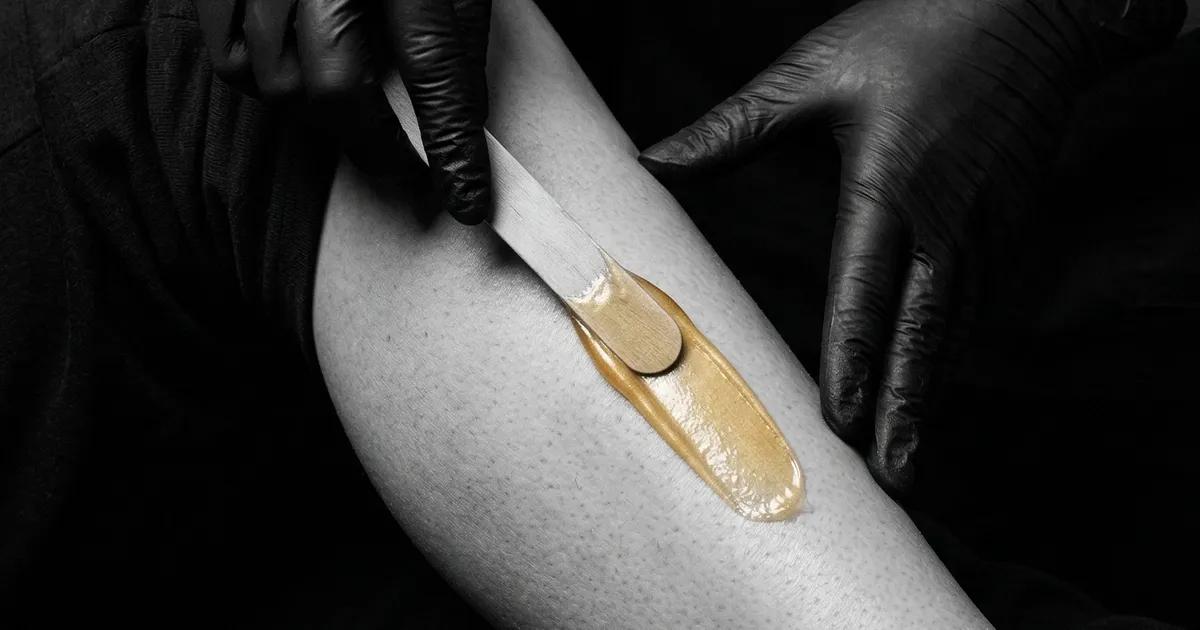
Waxing can hurt a lot less with the right preparation before and during your appointment. Here are 10 practical tips from the treatment room.
Making a wax in Gandia hurt less is entirely possible with the right preparation before and during your appointment. The sting and pull you feel when the hair comes out depend on several things you can control: the state of your skin, where you are in your menstrual cycle, how long the hair is, the type of wax used and the therapist's technique. This guide covers 10 tips, all tried and tested in the treatment room, to make waxing more comfortable, whether it's your first appointment or your tenth. Also available as waxing in Ontinyent.
Why waxing hurts and what affects it
Waxing removes hair from the root: wax is spread over the skin and then pulled off quickly against the direction of growth. It hurts because the root of each hair follicle is connected to nerve endings, and when the wax pulls the hair out, those nerves instantly send a pain signal to the brain.
How much it hurts depends on three main things: how dense the hair is, how sensitive your skin is, and whether the skin is already inflamed on the day. Areas with thinner skin (bikini line, underarms, upper lip) have more nerve endings packed together, so they feel sharper than legs or arms. Knowing this helps you decide where to focus the tips in this guide and how to prepare before your appointment.
Pain threshold and your menstrual cycle
Your pain threshold changes throughout your cycle. For many women, sensitivity goes up in the week before a period (days 22-28 of a standard 28-day cycle) and during the first days of bleeding, as oestrogen and progesterone drop. Days 7-10 (the early follicular phase), on the other hand, tend to be when you tolerate pain best, because oestrogen is starting to rise. Booking in that window can turn a usually tough session into a much easier one.
Hair thickness and body area
Hair on the bikini line and underarms is noticeably thicker and more deeply rooted than on the legs or forearms, which is why these areas are more uncomfortable. Hair that has gone a long time without waxing, or that has been shaved, also has a sturdier root. Experience in professional salons shows that clients who wax regularly end up with finer hair that comes out more easily, so sessions get quicker and more comfortable over time.
Tip 1: Exfoliate 24-48 hours before your appointment
Exfoliating before a wax removes dead skin cells from the surface so the wax grips the hair rather than the dead skin. When the outer layer is clogged with dead cells, wax works less well: it needs more force to come off and leaves residue that makes irritation worse.
The professional rule is a gentle scrub (fine grains or an exfoliating mitt) between 24 and 48 hours before the session, never on the day itself, so your skin doesn't arrive already sensitised. Well-exfoliated skin also helps ingrown hairs come to the surface before they're removed. To learn how to prevent them, read our guide to ingrown hairs after waxing.
Important: avoid harsh exfoliants with acids or very coarse grains in the hours before. The goal is to free the skin, not to sensitise it.
Tip 2: Pick the least sensitive time of the month
The early follicular phase of your cycle, when oestrogen starts to climb (roughly the first week and a half), is when you tolerate pain best. Using that window can make a usually intense session far more comfortable, especially on sensitive areas such as the bikini line or underarms.
In practice, avoid the week before your period and the first days of it. At our salon in Gandia and our beauty salon in Ontinyent, regular clients learn to recognise that window and book accordingly. You don't need a doctor or a special app: a basic note of your cycle is enough to book when your pain tolerance is highest.
If you're preparing for a full intimate wax, our guide to the Brazilian and Hollywood wax explains how to keep discomfort to a minimum in the most sensitive area.
Tip 3: Apply cold just before the session
Holding something cold on the area for 30 to 45 seconds before waxing narrows the blood vessels and briefly dulls the surface nerve endings. It works a bit like a mild anaesthetic: the nerve takes a few moments to get back to full sensitivity after the cold.
The easiest way is to wrap ice cubes in a clean cloth and press gently on the area. Never put ice straight on the skin, as it can cause a cold burn. In the treatment room, some therapists use cold compresses or fast-acting soothing sprays before starting on particularly sensitive areas.
The numbing effect lasts about 2 to 3 minutes after you remove the cold, so apply it right before the wax goes on to make the most of it. This tip works especially well on the underarms and bikini line, where there are more nerve endings.
Tip 4: Breathe properly while the wax comes off
Controlled breathing is a pain-management technique used in physiotherapy and childbirth. For waxing, it means breathing in deeply while the wax is applied and breathing out exactly as it's pulled, releasing muscle tension at the moment the hair comes out.
Involuntary muscle tension makes pain feel worse: when the muscle is tight, the pull meets more resistance and the pain signal is stronger. Your therapist can breathe with you, warning you a second before each pull so your out-breath matches it.
In the treatment room we see that clients who use this from their very first session feel much less pain than they expected, even on the bikini line. No practice needed: just focus on letting the air out at the exact moment of the pull.
Tip 5: Keep the hair at the ideal length (0.5-1 cm)
The ideal hair length for waxing is between 0.5 and 1 cm. Any shorter and the wax can't grip the hair properly, so the therapist has to go over the same area more than once, which adds irritation. Longer than 1.5 cm, the hair tangles in the wax, the pull is stronger and it hurts a lot more.
One of the most common mistakes on a first visit is arriving with hair that's too short because you shaved a few days before. Stop shaving at least three weeks before your first wax so the hair can reach the right length. If it's longer than a centimetre, the therapist can trim it in the room before applying the wax, usually at no extra cost.
Tip 6: Moisturise every day between appointments
Keeping your skin moisturised between waxes directly reduces how much the next one hurts. Well-hydrated skin is more supple, the hair comes out more easily and the wax grips evenly without extra pressure or repeated passes.
Day to day in the salon, clients with a regular moisturising routine get a cleaner result and less redness. Use an unscented body lotion every day, ideally after your shower.
One important exception: for the first few hours after waxing, avoid very rich, occlusive products on the treated area, because the follicles are open and can clog. For aftercare in that first window, our guide to aftercare after waxing has a detailed, up-to-date routine.
Tip 7: Skip caffeine and alcohol for 2 hours before
Caffeine and alcohol dilate blood vessels and stimulate the nervous system, making skin more sensitive and lowering your pain threshold. Coffee, black tea, energy drinks and alcohol in the 2 hours before your appointment can make it noticeably more painful.
Alcohol also affects clotting and can make the skin react more after each pull. Have water or caffeine-free herbal tea (camomile, lime blossom) instead in the hours before.
This matters most for large areas, such as a full-body wax, where lots of pulls over a big surface can add up to a stronger overall reaction. For long sessions, how hydrated and how wound-up you are beforehand makes a real difference.
Tip 8: Trust professional low-temperature wax
Professional hot wax is formulated to grip the hair and not the skin, unlike supermarket cold wax strips, which stick to both. That means a professional wax pulls the hair out without pinching the skin, which usually makes it hurt less than DIY cold wax.
Salon waxes are applied at controlled temperatures (between 37°C and 43°C depending on the formula), which gently opens the follicle and helps the hair come out cleanly from the root. A trained therapist knows the right temperature for each area and skin type, and it makes a real difference to both pain and finish. For a wider comparison of hair removal methods, see waxing vs laser.
Tip 9: Wax regularly to reduce hair density
Regular waxing gradually makes hair thinner and sparser over time. Each time a hair is pulled from the root, the follicle takes a small hit that weakens its ability to regrow.
In the treatment room we see that after 4-6 waxes on a regular 3-5 week cycle, most clients notice both less pain and shorter sessions. The hair that grows back is finer, sparser and sits closer to the surface, so it comes out more easily with less pull.
This cumulative effect is one of the main reasons to choose wax over shaving, which doesn't weaken the follicle and keeps the hair just as thick. Our complete waxing guide covers recommended intervals by body area and hair type.
Tip 10: Apply a soothing product straight after
Applying a soothing product at the end is part of every professional wax. The therapist uses an after-wax gel or oil with anti-inflammatory ingredients (aloe vera, arnica, tea tree oil) on the freshly waxed skin to calm it, reduce inflammation and ease the immediate redness.
This step reduces the lingering sting in the minutes after waxing and gets your skin ready for home care over the next few hours. It doesn't replace your aftercare, but it's the difference between leaving with calm skin or with a strong reaction.
To avoid problems such as bikini-line irritation or dark marks from repeated waxing, read our guides on bikini wax irritation and dark marks after waxing, which cover full aftercare.
Summary table: how well each tip works by area
This table sums up roughly how much each tip helps by body area, based on our experience in the treatment room. Scale: ★ (low impact) to ★★★★★ (very high impact on the pain you feel).
| Tip | Legs | Underarms | Bikini line | Face |
|---|---|---|---|---|
| Exfoliating beforehand | ★★★ | ★★★ | ★★★★ | ★★★★ |
| Hormonal window | ★★ | ★★★ | ★★★★★ | ★★ |
| Cold beforehand | ★★ | ★★★★ | ★★★★ | ★★★★ |
| Controlled breathing | ★★★ | ★★★ | ★★★★ | ★★★ |
| Ideal hair length | ★★★★ | ★★★★ | ★★★★★ | ★★★ |
| Daily moisturising | ★★★★ | ★★★ | ★★★ | ★★★ |
| No caffeine or alcohol | ★★ | ★★★ | ★★★ | ★★ |
| Professional wax | ★★★★ | ★★★★★ | ★★★★★ | ★★★★ |
| Regular appointments | ★★★★★ | ★★★★★ | ★★★★★ | ★★★★ |
| Soothing after-wax product | ★★★ | ★★★★ | ★★★★ | ★★★★ |
Frequently asked questions about waxing pain
How many waxes does it take before it hurts less?
The pain eases gradually and builds up over time. Most clients who wax regularly start to notice a real difference from the fourth or fifth session. By the sixth, the hair is usually finer and sparser, so it takes much less force to remove and hurts far less.
For this to happen, don't break the cycle by shaving in between: the razor brings the hair back to full thickness and undoes your progress. The right interval depends on the area: 3-4 weeks for fast-growing areas (underarms, bikini line) and 4-5 weeks for legs and arms. Consistency is what makes the biggest long-term difference to comfort.
Is hot or cold wax better for less pain?
Professional hot wax hurts less than cold wax strips for two reasons. First, hot wax grips only the hair, not the skin, so the pull doesn't take the surface layer of skin with it. Second, the warmth opens the follicle so the hair slides out with less resistance.
DIY cold wax strips stick to both hair and skin, so the pull hurts more and leaves more inflammation. A professional salon never uses cold strips on sensitive areas. The difference in pain, effectiveness and how long you stay smooth makes a professional wax the better choice over home kits.
Can I use numbing cream before waxing?
Topical anaesthetic creams with lidocaine (4% to 5%) are available over the counter in Spanish pharmacies and can be applied 45 to 60 minutes before the session to dull the area. The catch with waxing is that the cream can stop the wax from gripping properly, so it has to be applied again, which can make irritation worse.
If you do use one, wash the area thoroughly with warm water before the session to remove every trace of cream. Check with a healthcare professional before using topical anaesthetics if you have skin allergies, circulation problems or are on medication. In most cases, the ten tips in this guide are enough to make the session bearable without numbing cream.
Which part of the body hurts most to wax?
The bikini area (especially a full Brazilian or Hollywood) and the underarms are the most uncomfortable places to wax. Thinner skin, more nerve endings and thicker, deeper-rooted hair put them at the top of the scale.
Next come the upper lip and chin, where facial nerve endings sit close to the surface and every pull is felt more. Legs and arms are the least uncomfortable: the skin is thicker, the hair finer and there are fewer nerves. To prepare for the most sensitive area, see our guide to the Brazilian and Hollywood wax.
Does waxing hurt less than laser?
Laser and waxing hurt in different ways. Laser gives a sharp, repeated burst of heat, often described as an elastic band snapping on the skin. Waxing gives a short, sharp pain as the wax is pulled, followed by a surface sting that fades within minutes.
Clients who have tried both usually find laser easier on small areas but potentially more intense on large ones. A full leg wax appointment takes about 20 minutes, compared with the usual 45-60 minutes for laser on the same area. The choice depends on your long-term goal: waxing is regular maintenance (we don't offer laser at our salons). For a detailed comparison of results, see waxing vs laser.
If you're in La Safor or the Vall d'Albaida and want a professional wax, the Adrian Beauty Studio team is at our salon in Gandia and our beauty salon in Ontinyent. Whether it's a full-body wax or a single area, book your appointment and tell your therapist which of these tips you'd like to use from the start.
Quick reference: waxing
| Area | Session | Lasts | Pain (1-5) |
|---|---|---|---|
| Classic bikini line | 10-15 min | 3-5 wks | 3-4 |
| Underarms | 10 min | 3-4 wks | 3 |
| Half legs | 15 min | 3-5 wks | 2-3 |
| Upper lip | 5 min | 2-3 wks | 3 |
| Eyebrows | 10 min | 3-4 wks | 2-3 |
| Back | 25 min | 4-5 wks | 3 |