Upper lip waxing: professional technique, preparation and aftercare
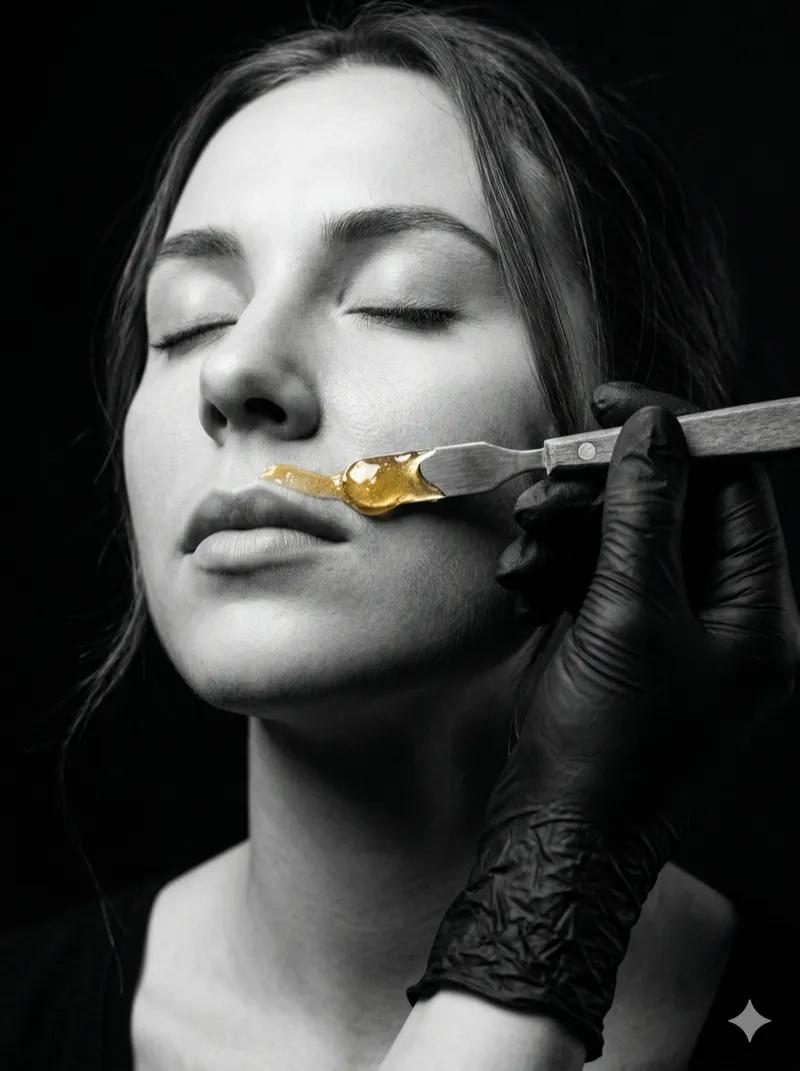
Upper lip waxing removes hair from the root in about 5 minutes, with results that last 3 to 4 weeks.
Upper lip waxing removes hair from the root in an appointment of around 5 minutes, with results that last 3 to 4 weeks. This guide covers the professional technique, the types of wax suited to sensitive facial skin, how to prepare your skin before your appointment and the aftercare that helps you avoid bumps, redness or dark marks.
What is upper lip waxing and why is it the most popular method?
Upper lip waxing means applying wax — hot or warm — to the philtrum (the area between the nose and the edge of the lip) and removing it in one quick movement that pulls out the hair together with the bulb, from the root. Unlike shaving or hair removal cream, removing the hair from the root keeps the area free of visible hair for up to 3-4 weeks.
It's the most requested method in the treatment room for this area for several reasons: the appointment takes about 5 minutes, the results are instant and it's far more affordable than laser. Many clients who try waxing on their upper lip end up making it their go-to method. With regular sessions the hair usually becomes finer and sparser, as repeated removal gradually weakens the follicle.
For an overview of facial hair removal methods, our guide to sensitive skin and facial hair removal offers a practical comparison.
Types of wax for the upper lip
Not all waxes are equal on the face. The skin on the upper lip is thinner and more sensitive than on the legs or body, and needs formulas designed specifically for facial use. At Adrian Beauty Studio we use high-quality waxes formulated to grip the hair without damaging the skin barrier, for a clean result with minimal redness.
Hot wax (hard wax) for sensitive facial areas
Hot wax — also called hard wax — is the preferred professional option for the upper lip. The therapist applies it at 40-45 °C directly to the area with a spatula; as it sets, it forms a thick layer that wraps around the hair without sticking to the surrounding skin. No strip is needed: the set layer comes off in one go against the direction of growth. This greatly reduces irritation, redness and the risk of tiny skin injuries, which makes it the best wax for reactive skin, rosacea or skin prone to sensitivity. It's also the best choice for other facial areas such as eyebrow waxing, between-the-brows waxing or chin hair.
Warm wax with strips for the upper lip
Warm wax with strips — also known as soft wax — is spread in a thin layer and removed with a fabric or paper strip in a quick pull. It's faster and suits more tolerant skin, but because it sticks to both the hair and the skin surface it can cause more redness than hard wax on an area as thin and sensitive as the philtrum. At each appointment the therapist decides which type suits the condition and characteristics of your skin. Neither method is better for everyone: the choice depends on skin type, sensitivity and any past reactions.
Preparing your skin before upper lip waxing
Good preparation keeps irritation to a minimum and helps the wax grip. The hair should be 3-5 mm long — the minimum for the wax to hold it properly. If it's shorter, the wax can't catch it and the result is patchy; if it's over 10 mm, it may snap instead of coming out from the root.
Before applying the wax, in the treatment room we:
- Cleanse the area: remove make-up, cream or serum with micellar water or a gentle cleanser. If you arrive with foundation or concealer on your lip, the therapist removes it before starting.
- Dry it completely: moisture directly affects how well the wax sticks. The skin must be totally dry.
- Apply pre-wax powder: on oily or sweaty skin, talc or an absorbent powder creates a protective barrier between the skin and the wax.
- Hold the skin taut during application and removal: the therapist keeps the skin stretched with her fingers to reduce pain and the risk of irritation during the pull.
Our complete waxing guide goes into preparation for every area of the body.
Step-by-step upper lip waxing in a professional salon
Professional upper lip waxing follows a set sequence of steps that ensures a good result and keeps the skin safe. The appointment takes about 5 minutes; a little longer if the hair is very dense.
- Skin check (1 min): the therapist checks the area for active contraindications — a cold sore flare-up, open cuts, severe irritation or active treatment with retinoids or acids that sensitise the skin.
- Cleansing and preparation (1-2 min): cosmetic residue is removed and pre-wax powder applied if needed.
- Applying the wax (1 min): the wax is applied with a spatula in the direction of hair growth, in controlled, precise layers over the philtrum, avoiding the edge of the lip.
- Setting (30-60 seconds, hot wax only): the wax is left to harden before removal.
- Removal against the direction of growth (seconds): a quick, firm movement parallel to the skin, with the other hand holding the area taut.
- Checking and removing stray hairs (1-2 min): the therapist checks the area under good light and removes any loose hairs with tweezers.
- Soothing product (1 min): a post-wax gel or lotion with calming ingredients — aloe vera, bisabolol, panthenol — to reduce immediate redness.
When you book at Adrian Beauty Studio Gandia or Adrian Beauty Studio Ontinyent, the therapist takes care of the whole routine from your very first visit.
How much does upper lip waxing hurt, and how to make it easier
The upper lip is one of the facial areas where waxing is felt most, because the skin is thin and there are lots of nerve endings. Even so, the sting lasts barely a second each time, and most clients find it perfectly bearable.
Several things directly affect how much you feel it:
- Type of wax: hot wax causes much less irritation than strip wax on sensitive facial skin, because it doesn't stick to the skin surface.
- Temperature: keeping the wax at 40-45 °C is essential; any hotter increases the risk of burns and the pain you feel.
- Holding the skin taut: well-stretched skin at the moment of the pull reduces tugging and discomfort.
- Your menstrual cycle: in the days before and during your period, skin can be more sensitive. Booking in the first half of your cycle is usually more comfortable.
- Regular sessions: with sessions every 3-4 weeks, the hair becomes finer and the follicle weaker, so it gradually hurts less. Clients who have been coming regularly for over 3 months notice a clear difference at each appointment.
Aftercare after upper lip waxing
After waxing, the skin on the upper lip is temporarily more permeable and reactive. The follicles stay open for several hours, which increases the risk of bacteria, make-up or sweat causing bumps or lasting irritation. The first 24 hours matter most for the final result.
Recommended aftercare:
- No make-up on the waxed area for 12-24 hours. Pigments and powder can clog the open follicles and cause blackheads.
- Avoid direct sun for 24 hours. Freshly waxed skin is more prone to pigmentation from UV; if you can't avoid the sun, use SPF 30 or higher.
- Avoid products with alcohol, retinol or acids (AHA or BHA) on the area for the first 48 hours. They increase irritation on skin already sensitised by the wax.
- Apply aloe vera gel or a soothing post-wax cream if there's redness. A cold compress — never ice directly on the skin — also helps reduce swelling.
- Avoid intense heat: sauna, facial steaming or hard exercise in the first few hours can increase blood flow and make the redness last longer.
Our full waxing aftercare guide includes specific advice for each area of the body. If you get ingrown hairs in the following days, our guide to ingrown hairs after waxing explains how to prevent and treat them.
Waxing vs other methods for the upper lip
Waxing vs threading for the upper lip
Waxing and threading both remove hair from the root and both work well on the upper lip, but they suit different people. Waxing finishes the area in about 5 minutes and leaves the skin noticeably smooth, because it also lifts off dead skin cells along with the hair. Threading is more precise for very defined lines and is better for skin on topical retinoids or skin that reacts to wax with strong redness. Many clients prefer waxing when what matters most to them is a quick appointment and smooth skin. Our guide to threading vs waxing looks at the differences, pros and cons of each method in detail, to help you choose what suits you.
Waxing vs laser on the upper lip
Laser is the only method that can permanently reduce upper lip hair, but it needs 6 to 10 sessions and costs considerably more overall than waxing. Waxing is temporary — the hair comes back in 3-4 weeks — but with regular sessions it usually grows back finer and less visible between appointments. Laser isn't suitable for every skin type or for very light, blonde or grey hair. If you're after long-term results, our waxing vs laser comparison helps you decide based on your skin type, hair and goals.
How often to wax your upper lip
The ideal frequency for upper lip waxing is every 3-4 weeks, which matches the average regrowth cycle in this area. Sticking to it matters: it lets the hair reach the 3-5 mm the wax needs to grip properly, and avoids irritating the skin with sessions so close together that they don't give a better result.
Clients who keep a steady rhythm for more than 6 months usually find the hair grows back finer, lighter and sparser each time. Waxing before the recommended time doesn't speed up the weakening of the follicle; if anything, it causes more irritation without better results.
Things that can change the usual 3-4 week cycle:
- Hormonal changes: pregnancy, menopause or starting hormonal contraception can speed up or slow down hair growth.
- Time of year: hair tends to grow a little faster in summer.
- Medication that affects the hair cycle: some dermatological or systemic treatments change how fast hair grows.
In these cases, it's best to adjust the frequency with your therapist at each visit rather than sticking to a fixed interval.
Upper lip waxing in Gandia and Ontinyent
Adrian Beauty Studio offers facial waxing services at both of its salons in the Valencia region. At our Gandia salon, upper lip waxing — like all our facial waxing — is done with high-quality waxes made for the face, chosen to minimise irritation on sensitive skin. The service is open to anyone from La Safor and the surrounding area, whether or not you're a regular. Upper lip waxing costs €6 (about 5 minutes) at both salons; if you prefer threading, upper lip threading is €8.
At our Ontinyent salon, the service follows the same professional routine and the same hygiene standards. Upper lip waxing is one of the most requested facial treatments among clients from the Vall d'Albaida looking for a salon they can trust with their face.
At both salons we do a quick skin check on your first visit to choose the right wax for you. To check availability and book, go to the page of your nearest salon: Gandia or Ontinyent.
Upper lip waxing FAQs
With our Unlimited Brows membership for €10 a month, you get brow tidy-ups with wax (keeping your shape; €6 for a one-off visit) as often as you need; brow shaping is not included.
Does waxing darken the skin on the upper lip?
Done properly, waxing doesn't darken the skin on the upper lip. Post-wax pigmentation appears when the waxed area is exposed to the sun in the 24-48 hours after the appointment: freshly waxed skin produces melanin more easily under UV, which can leave dark marks on skin that's prone to it. To avoid this, the standard advice is to stay out of direct sun for at least 24 hours afterwards and use SPF 30 or higher if you can't avoid it. For skin prone to pigmentation — darker skin tones or a history of melasma — a vitamin C or niacinamide serum in your daily routine helps as prevention. If a mark appears after waxing, talk to your therapist before your next appointment and before using any lightening treatment.
Can I have my upper lip waxed during pregnancy?
Upper lip waxing is generally considered safe during pregnancy: the wax works on the surface of the skin and doesn't enter the bloodstream, so there's no scientific evidence of any risk to the baby from this technique. However, skin often becomes more sensitive during pregnancy — especially in the second and third trimesters — which can make post-wax redness or irritation more likely. Always tell your therapist you're pregnant before the appointment so she can adjust the type of wax and the aftercare. If you have specific concerns about the first trimester, an active skin condition or any medical risk, check with your doctor or midwife first.
How long does an upper lip wax last?
Upper lip waxing lasts 3 to 4 weeks in most cases. Wax removes the hair from the root — unlike shaving, which cuts it at the surface so it's visible again in 2-4 days — so you stay hair-free much longer. In the first few sessions the hair-free period may be a little shorter (2-3 weeks) because the follicles aren't on the same growth cycle. With regular sessions the cycle syncs up and the hair-free periods get longer and more predictable. In our experience, clients who have been coming regularly for more than 6 months stay hair-free for 3 to 5 weeks, with hair that grows back finer and lighter than at the start.
Does waxing weaken upper lip hair over time?
Yes. Repeatedly removing the hair from the root gradually weakens the follicle. With regular sessions over several months, upper lip hair usually becomes less dense. Hair that grows back after months of regular waxing tends to be finer, lighter and slower-growing, which makes each appointment quicker and more comfortable. This effect isn't the same as the permanent reduction you get with laser: if you stop for several months, the follicle can become active again and the hair comes back thicker. Sticking to a 3-4 week rhythm is what matters most to get and keep this gradual weakening.
What should I do if I get bumps after upper lip waxing?
Bumps after waxing on the upper lip are usually superficial folliculitis: inflammation of the follicle that appears when the open pore comes into contact with bacteria, sweat or make-up residue in the hours after the appointment. Don't touch or squeeze them — that increases the risk of infection and dark marks — apply a toner with mild salicylic acid or a niacinamide serum to calm the inflammation, and keep make-up off the area for 24-48 hours. If you get bumps after every appointment, check with your therapist whether the type of wax suits your skin or whether a step in your aftercare is being missed. Our guide to ingrown hairs after waxing has useful information on handling and preventing post-wax reactions.
Is hot or cold wax better for the upper lip?
For the upper lip, hot wax (hard wax) is the professional option we recommend most. It's applied at 40-45 °C, sets into a layer that wraps around the hair without sticking to the skin, and comes off without a strip, which significantly reduces irritation on this thin, sensitive skin. Cold wax — the ready-made strips sold in pharmacies — is less precise, harsher on small areas and hard to control without training. Warm wax with strips, in the hands of a professional, can work for more tolerant skin, but it isn't the first choice for sensitive facial areas. In our experience, reactive skin, rosacea or a history of sensitivity benefits most from hot wax.
From what age can you wax the upper lip?
There's no legal minimum age in Spain for waxing. Professional practice is to wait until the hair is fully developed and hormones have settled before starting regular sessions, as waxing hair that's still developing may not give predictable results. At Adrian Beauty Studio, clients under 16 need consent from a responsible adult and, ideally, for them to be present at the first appointment. From 16, the service is provided as normal. If upper lip hair in a young person is linked to hormonal changes, hirsutism or another medical condition, it's best to see a doctor before making waxing part of their routine.
Booking an upper lip wax at Adrian Beauty Studio is easy: choose your nearest salon — Gandia or Ontinyent — and book an appointment. Your first visit always includes a skin check to choose the right wax for you.
If you'd like to make the most of your visit with other facial areas, eyebrow waxing, between-the-brows waxing and chin waxing are the services most often combined in one appointment. See all our waxing services at both salons.
Quick reference: waxing
| Area | Session | Lasts | Pain (1-5) |
|---|---|---|---|
| Classic bikini line | 10-15 min | 3-5 wks | 3-4 |
| Underarms | 10 min | 3-4 wks | 3 |
| Half legs | 15 min | 3-5 wks | 2-3 |
| Upper lip | 5 min | 2-3 wks | 3 |
| Eyebrows | 10 min | 3-4 wks | 2-3 |
| Back | 25 min | 4-5 wks | 3 |