Ear Hair Waxing: Professional Technique, Safety and Aftercare
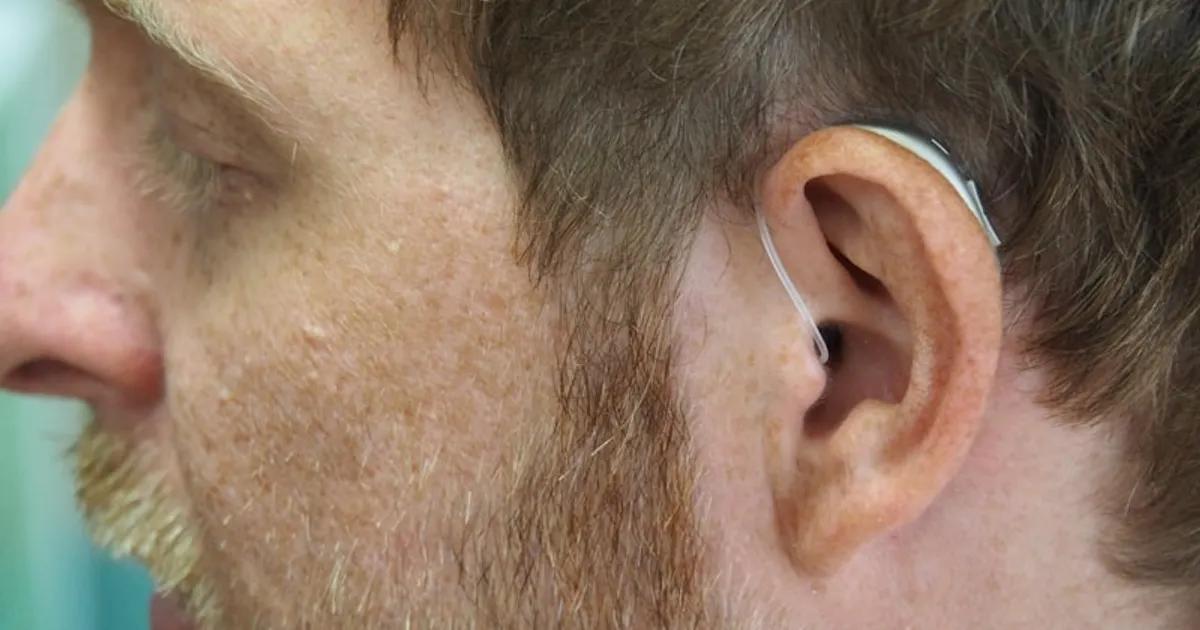
Plenty of people need ear hair waxing but aren’t sure about it: is it safe? Does it hurt? Which areas are actually treated? This guide answers all of that, focusing on professional hot-wax technique.
Ear hair waxing is one of those services many people need but aren't quite sure about: is it safe? Does it hurt? Which areas are actually treated? This guide answers all of those questions, focusing on professional hot-wax technique, which gives cleaner, longer-lasting results than any home alternative.
If you'd like to compare hair removal methods more generally, have a look at our complete guide to waxing. Here we focus solely on the wax technique and how it's applied safely in a professional setting.
Why choose wax for ear hair?
Wax removes hair from the root, so the result lasts much longer than simply trimming it. Unlike trimmers, which only shorten the hair without removing the follicle, wax leaves the area clean for weeks. And unlike tweezers, which work hair by hair and are awkward to use on the outer ear, wax treats the area quickly and precisely.
In a salon, hot wax is applied with professional spatulas designed for small, sensitive areas, with the temperature controlled at all times to avoid any risk. That temperature control is exactly what separates a professional service from a home attempt that can end in a burn.
Hot wax vs other ear hair removal methods
| Method | Result | Approximate duration | Safety at home |
|---|---|---|---|
| Hot wax (professional) | Removes from the root | 3-6 weeks | High risk without training |
| Electric trimmer | Shortens, doesn't remove | 1-2 weeks | Safe but limited result |
| Tweezers | Removes hair by hair | 2-4 weeks | Uncomfortable, impractical |
| Hair removal creams | Not recommended for ears | — | Not suitable for this area |
For a wider comparison of techniques, our complete guide to waxing covers each method in detail and when it's most suitable.
Benefits of waxing over trimmers or tweezers
The main benefit is how long it lasts: hair removed from the root takes longer to come back and, over time, can grow back finer. Wax also lets us work both on the outer ear and around the entrance to the ear canal, areas that are practically impossible to reach with standard tweezers.
Aesthetically, the result is much more even. There are no hairs cut at different lengths, no risk of ingrown hairs from a blunt cut as happens with trimmers, and the skin feels smooth to the touch. For men in particular, it makes a visible difference to their overall grooming.
How ear hair waxing is done, step by step
Before your appointment
No special preparation is needed. Just come with clean, dry ears. If you have an active ear infection, irritation, a cut or eczema in the area, it's best to postpone until the skin has recovered.
If you use cotton buds very often, bear in mind this can make the skin around the canal more sensitive. It doesn't rule out the service, but do mention it to the therapist before starting.
Professional hot-wax technique on the outer ear
In the treatment room, the therapist uses a hot wax made for small, sensitive areas, heated to a controlled temperature in a professional heater. It's applied with a fine spatula to the right areas of the outer ear, always checking the temperature before it touches the skin.
The wax is left to set for a few seconds and removed in one quick movement against the direction of hair growth. The whole process for both ears takes just a few minutes. It's not a long service, but it does take precision and experience to work on such a sensitive area without causing unnecessary discomfort.
Once the wax is off, a soothing product is applied to the treated skin to reduce immediate redness and calm any mild reaction.
Areas we treat and areas we NEVER wax
This is key to understanding why the service is safe. Ear waxing is done only on:
- The outer ear: the visible, cartilage part of the ear
- The entrance to the ear canal: the outer rim of the opening, where the hair is visible to the naked eye
We never work inside the ear canal. Putting wax inside the canal is dangerous and no reputable beauty salon does it. The ear canal cleans itself and contains sensitive structures; anything done inside it is a job for medical professionals, not beauty therapists.
A qualified therapist knows this limit well and never crosses it. It's also one of the strongest reasons not to try this at home without proper training.
Aftercare following ear hair waxing
Immediate aftercare (first 24 hours)
The skin of the outer ear is thin and may look a little red right after the session. That's completely normal and fades within a few hours. To help it recover without complications:
- Keep water off the treated area for the first few hours (including pool and sea)
- Don't touch or scratch your ear, to avoid irritation or infection
- Avoid direct sun on the area for the rest of the day
- Don't apply cologne or alcohol-based products near the ear for the next few hours
- Don't use cotton buds for the next 24 hours; the skin needs that time to recover properly
Moderate itching is common and usually goes away within a few hours. If it persists or you notice unusual swelling, see a health professional.
For a more complete guide to post-wax care, our article on aftercare after waxing covers every step in detail.
Medium-term maintenance and how often to come back
Ear hair grows at a different rate for everyone. Clients usually come back every 3 to 6 weeks, although people whose hair grows faster may need it a little sooner. Over time and with repeated sessions, the hair often grows back more slowly and finer.
There's no one-size-fits-all interval: the best approach is to watch your own regrowth and come back when the hair is visible again. A practical point: if the hair is shorter than 3-4 mm, the wax can't grip it properly, so it's worth waiting a few more days before booking.
Ear hair waxing for men: what you need to know
Ear hair is especially common in men from their 30s and 40s. It's hormonal: androgens stimulate hair growth in areas such as the ears, nose and back, and this tends to increase with age. There's no way to prevent it; it simply needs regular upkeep.
Ear waxing for men is technically no different from anyone else: the technique is exactly the same and the result just as clean. What changes is the grooming context: many men combine it with nose waxing in the same appointment, as both areas tend to need attention at the same time. It's also often included in a wider full-body wax for men.
At Adrian Beauty Studio we see more and more male clients who value having these areas looked after professionally, in both Gandia and Ontinyent. It's a completely routine service: you book it like any other treatment.
Ear hair waxing in Gandia and Ontinyent
If you're looking for ear hair waxing in Gandia or around Ontinyent and the Vall d'Albaida, Adrian Beauty Studio offers this service at both salons, with qualified staff and single-use materials.
Our Gandia salon welcomes clients from all over La Safor and beyond. Our Ontinyent salon covers the whole Vall d'Albaida area. You can check availability and book directly from the ear waxing service page.
If it's your first time at a beauty salon and you're not sure what to expect or how a session works, we recommend reading our guide on what to expect on your first visit to a beauty salon.
Ear hair waxing FAQs
Is hot-wax ear hair removal safe?
Yes, when it's done by a qualified professional in a beauty salon with the right equipment. The work is limited to the outer ear and the entrance to the ear canal; wax never goes inside the canal. The wax temperature is controlled with professional thermostatic heaters, which removes the risk of burns. Disposable materials keep every session hygienic. At home, without the equipment or training, the risk of burning or damaging the skin is real and not worth taking for such a sensitive area.
Does ear hair waxing hurt?
It's a brief, one-off discomfort: as the wax is pulled off you feel a little pressure and warmth that passes in a fraction of a second. The outer ear isn't particularly sensitive compared with other commonly waxed areas, such as the bikini line or underarms. Most clients find it surprisingly bearable. If your skin is very sensitive or the area has been irritated recently, tell the therapist before starting so she can adjust the technique if needed.
How often should I have my ears waxed?
It depends on how fast your hair grows. Clients usually come back every 3 to 6 weeks. If your hair grows quickly you may need it a little sooner; if you have less hair you can leave it longer. Over time, repeated sessions tend to slow down and fine the regrowth. The most practical guide is visual: when the hair is visible again and at least 3-4 mm long, it's time to book your next appointment.
Can I wax my ears at home?
Home wax kits are sold for personal use, but using them on your ears without professional training isn't recommended. Temperature is hard to control without the right equipment, and a burn on the outer ear can be painful and slow to heal. The angles are also awkward to manage without someone else's help, and the risk of accidentally getting wax near the ear canal goes up when you can't see properly. For such a small, sensitive area, the potential saving isn't worth the risk.
Who shouldn't have ear hair waxing?
There are times when it's best to postpone or avoid this service:
- Active ear infection (otitis or other): the skin is inflamed and waxing could make it worse
- Eczema or psoriasis on the outer ear during a flare-up
- Recent wounds or cuts on the area to be treated
- Topical corticosteroid medication on the area, which thins the skin and increases the risk of damage
- Recent surgery on or around the ear
If you have a specific health condition and aren't sure, ask your doctor or check with the salon before booking.
What's the difference between waxing your ears and using a trimmer?
The key difference is how deep the result goes and how long it lasts. A trimmer cuts the hair at skin level but doesn't remove the follicle: it grows back within days, just as thick. Wax pulls the hair out from the root, so you stay hair-free for longer and the regrowth may become finer over time. Trimmers are also hard to use precisely on the curves of the outer ear, which can leave an uneven finish or miss some spots. To learn more about the different options, take a look at our complete guide to waxing.
Is ear wax the same as the wax used on the rest of the body?
In a professional salon, small, sensitive areas like the ears are usually waxed with a flexible wax or one that grips fine hair well, applied with small, very precise spatulas. The base can be similar to the wax used elsewhere on the body, but the formula is adapted to the fine hair of the outer ear. A professional heater and specific spatulas are essential equipment; the technique is nothing like working on areas such as the legs or underarms.
If we've answered your questions and you'd like to try the service, you can book your ear waxing at whichever salon suits you best: Gandia or Ontinyent. If you combine it with nose waxing, you can sort out both areas in one visit.
Quick reference: waxing
| Area | Session | Results last | Pain (1-5) |
|---|---|---|---|
| Bikini line | 10-15 min | 3-5 wks | 3-4 |
| Underarms | 10 min | 3-4 wks | 3 |
| Half leg | 15 min | 3-5 wks | 2-3 |
| Upper lip | 5 min | 2-3 wks | 3 |
| Brows | 10 min | 3-4 wks | 2-3 |
| Back | 25 min | 4-5 wks | 3 |